
Small Space Solutions
Make Every
Square Foot Work Harder.
Practical ways to make small homes easier to organise, more flexible to live in and better suited to everyday life.
 Solution Guide
The Challenge
Small Spaces,
Bigger Demands.
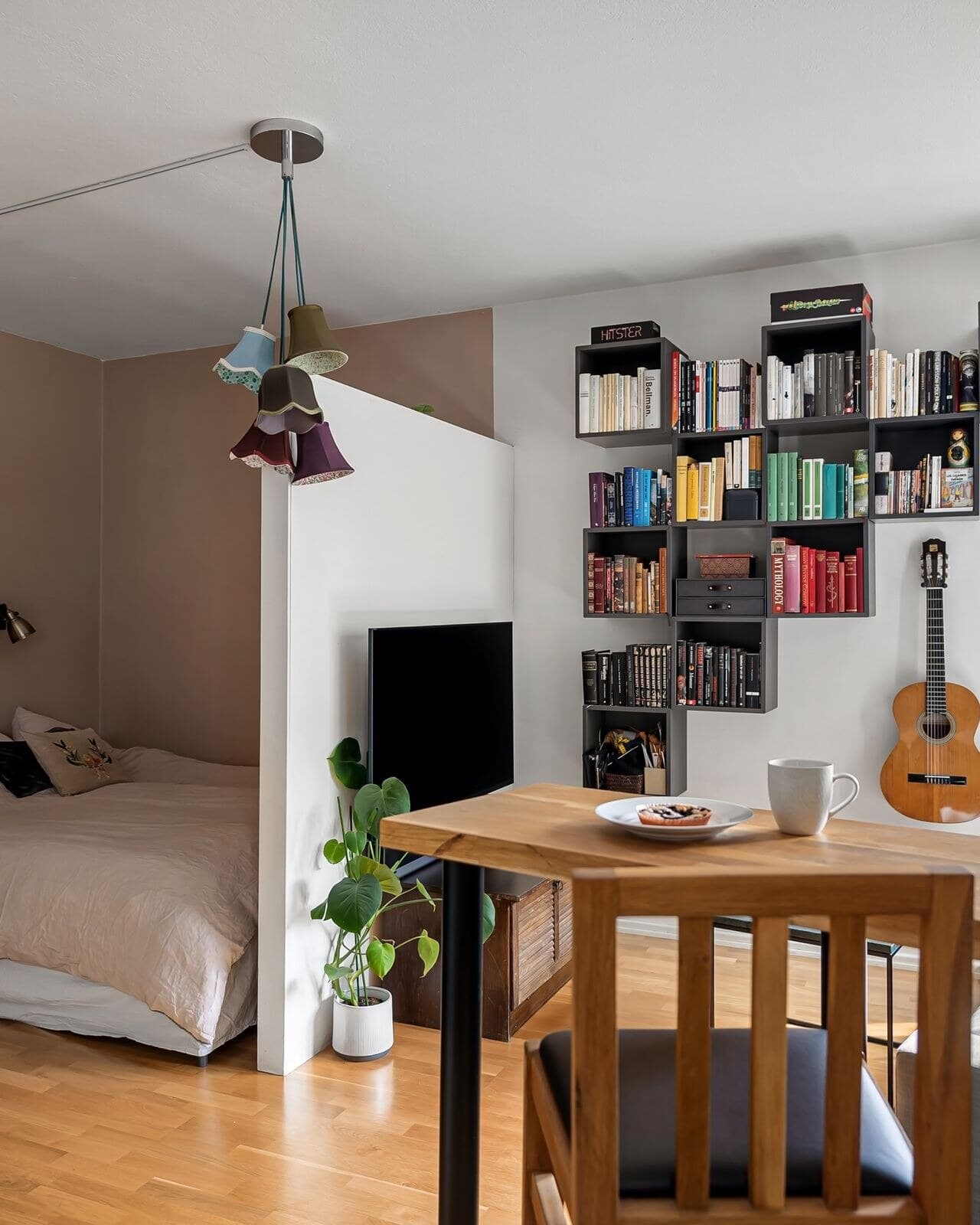
Small homes are rarely short on things to do — they're short on floor space to do them in. The same room often has to work as a place to sleep, work, relax and store everything in between.
That pressure shows up as everyday clutter: furniture that doesn't quite fit, storage that runs out and rooms that never feel finished. These are techniques, not a redesign — practical ways to make an existing room work harder without adding a single square foot.
The goal isn't to fit more in. It's to choose layouts, furniture and storage that let one room genuinely do the work of two.
Limited Floor Space
Make deliberate choices about what earns a place in the room.
Storage Pressure
Give everyday belongings a home without adding bulky furniture.
Multifunctional Furniture
Choose pieces that can genuinely do more than one job.
Everyday Clutter
Keep frequently used things accessible without letting them take over.
01 · Start With Flexible Layouts
Let One Room
Do More Than One Job.
In a small home, a single room often has to support several different activities over the course of a day. Instead of fighting that, plan the layout around it.
Group furniture into loose zones — a seating area, a work corner, a place to eat — and keep the paths between them clear. A room with defined zones feels more organized even when nothing has changed in size.
Furniture placement matters more here than in a larger room: a piece in the wrong spot can block circulation entirely, while the same piece angled differently can free up an entire corner.
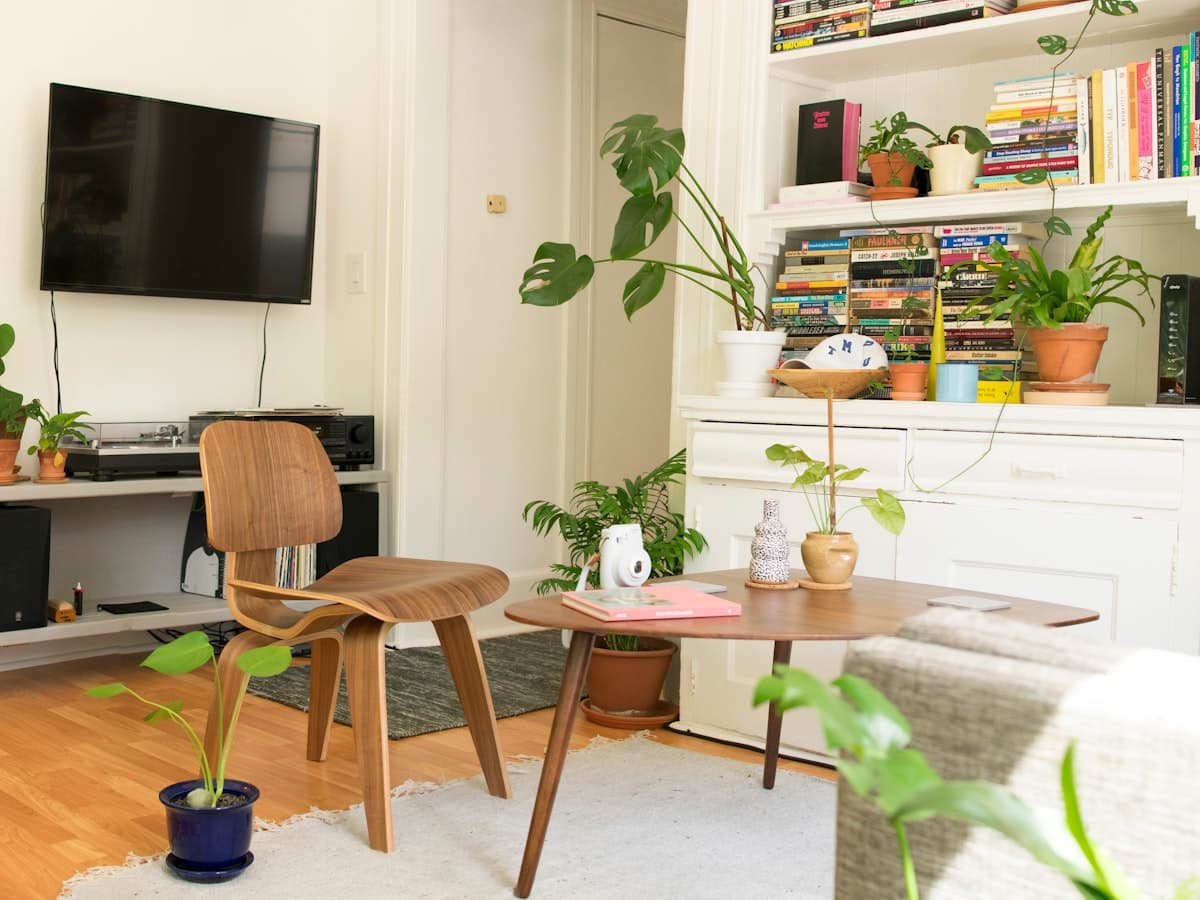
- 01Define Loose ZonesGroup furniture by activity — seating, sleeping, working — so the room reads as organized even without walls.
- 02Protect CirculationKeep at least one clear path through the room. A blocked route makes any space feel smaller than it is.
- 03Let One Area Serve Two PurposesA dining table that also works as a desk, or a bench that doubles as extra seating, can remove the need for a second piece entirely.
- 04Rearrange Before You BuyTest a different furniture layout with what you already own before assuming the room needs something new.
RoomMinded Tip
Before adding a new piece of furniture, try walking your usual daily routes through the room. If you have to step around something more than once, that's usually the first thing to move.
02 · Make Storage Work Harder
Give Everything
a Place to Go.
Storage is usually the first thing a small room runs out of. Rather than adding another freestanding unit, look for storage that's already built into the furniture and layout you have.
Vertical space, the area under furniture and the backs of doors are some of the most overlooked storage opportunities in a small home. None of them take up floor space that could otherwise be used for living.
Furniture with hidden storage — an ottoman, a bed frame with drawers, a bench with a lift-up seat — can quietly absorb everyday clutter without adding visual bulk to the room.
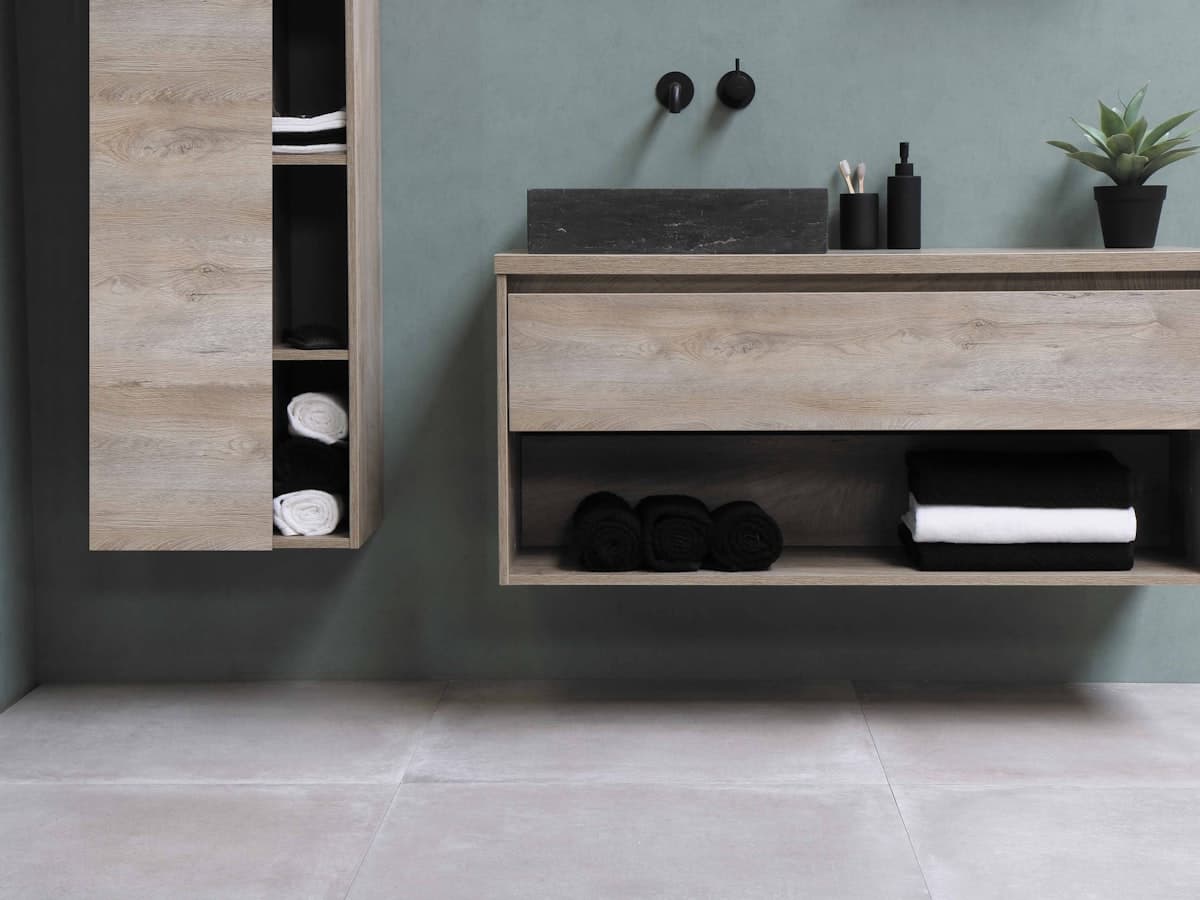
- 01Look Up FirstWall-mounted shelving and tall cabinets use vertical space that floor storage never touches.
- 02Use Hidden StorageOttomans, storage beds and lift-top benches can hold everyday items without adding another visible piece.
- 03Claim Unused SpaceThe space under a bed, behind a door or above a wardrobe is often empty and easy to put to work.
- 04Store by How Often You Use ItKeep daily items within easy reach and move seasonal or occasional items into harder-to-reach storage.
RoomMinded Tip
Before buying a new storage piece, walk the room and count how many things are currently sitting out with no home. Solve for those first — a new cabinet won't help if it just gets filled with more of the same.Read More on Small Space Storage
03 · Choose Furniture That Does More
Choose Pieces
That Earn Their Space.
Every piece of furniture in a small room should justify the floor space it takes up. Furniture that only does one job is a harder sell than furniture that can flex between two or three.
Nesting tables, foldable chairs and extendable dining tables can shrink down when they're not needed and expand when they are — giving the room more flexibility than a single fixed-size piece ever could.
Avoid the temptation to oversize. A large sofa or dining table might look impressive in isolation, but in a small room it usually costs more in lost circulation than it gives back in comfort.
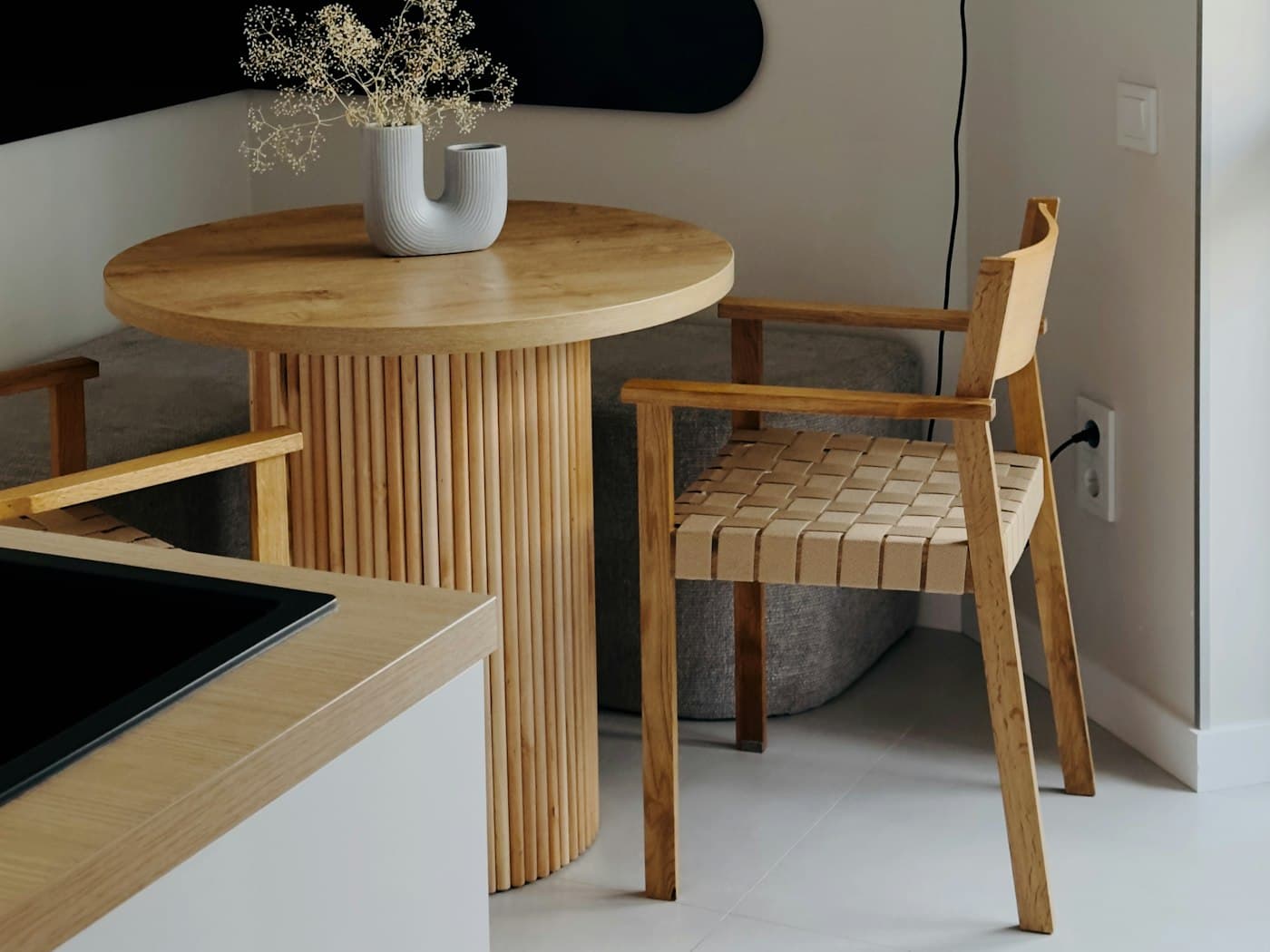
- 01Prioritize MultifunctionA piece that can serve two purposes is almost always worth more than two single-purpose pieces.
- 02Look for Nesting or FoldingFurniture that compresses when it's not in use gives the room flexibility for different occasions.
- 03Avoid Oversized PiecesChoose furniture scaled to the room rather than the largest option that will technically fit.
- 04Measure the Footprint, Not Just the PieceAccount for the space needed to actually use a piece — pulling out a chair or opening a drawer — not just its resting dimensions.
RoomMinded Tip
Before buying a multifunctional piece, make sure it solves a real problem in your room. A fold-out desk you never fold away isn't saving any space at all.
04 · Use Vertical Space
Build Up
When You Can't Build Out.
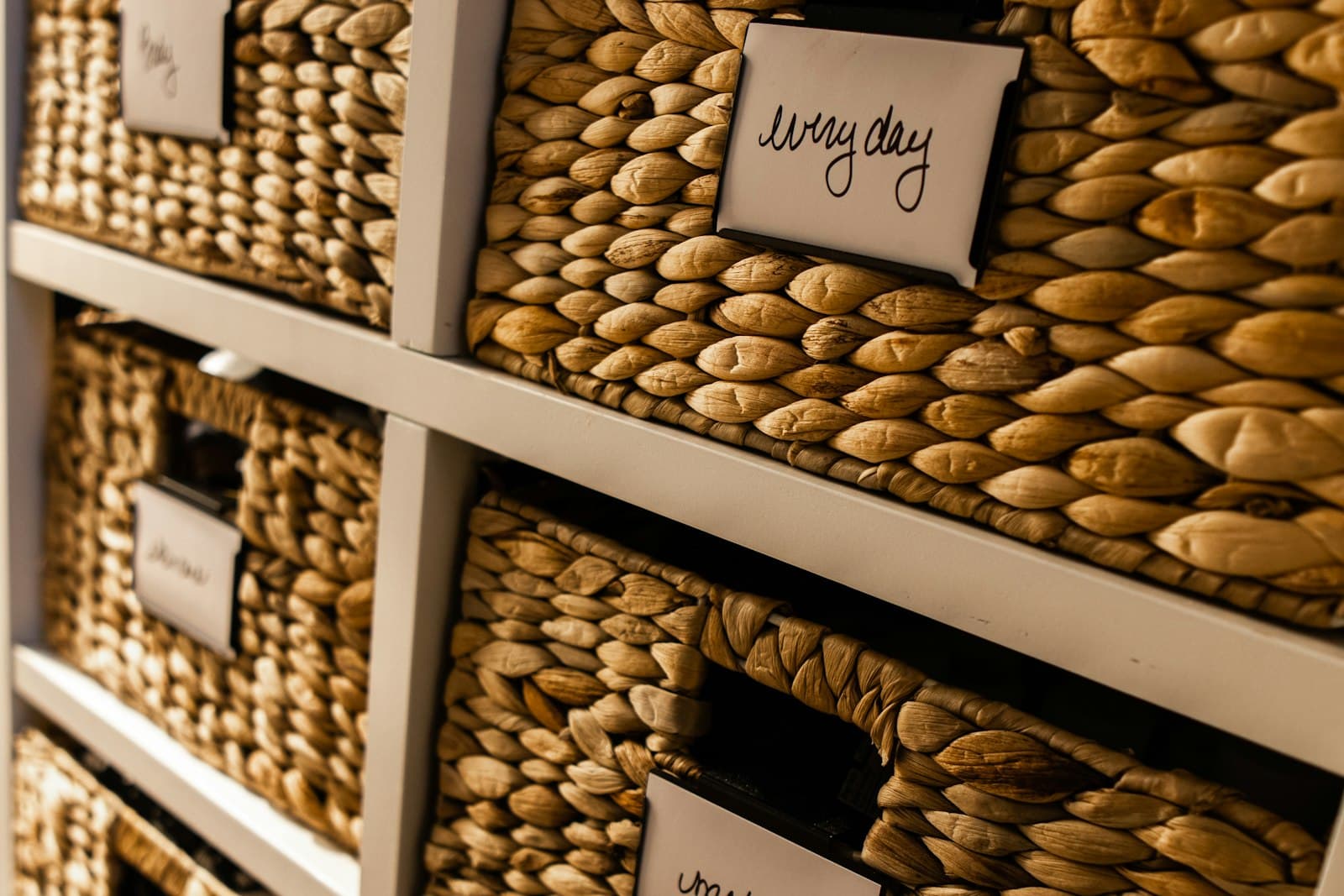
Floor space is the most limited resource in a small home, but wall space is usually going unused. Shelving, hooks and tall furniture can add real storage and display space without taking up a single extra inch of floor.
Tall, narrow furniture makes better use of a small footprint than short, wide furniture — a tall bookcase can hold as much as a low sideboard while leaving far more floor clear around it.
Even small additions like a row of hooks by the door or a shelf above a desk can absorb everyday items that would otherwise end up on the nearest flat surface.
- 01Choose Tall Over WideA tall, narrow piece often holds more than a low, wide one while leaving more floor clear.
- 02Add Wall StorageShelving and wall-mounted units keep everyday items handy without touching the floor plan.
- 03Use Hooks for Daily ItemsCoats, bags and keys are easier to manage on a hook than searching for them in a drawer.
- 04Keep the Top Shelf for Less-Used ItemsReserve the hardest-to-reach storage for things you only need occasionally.
RoomMinded Tip
Before adding more floor furniture, look at how much of your wall space is actually empty. It's often the easiest place to add storage without making the room feel more crowded.Explore More Small Space Ideas
05 · Reduce Visual Clutter
Keep the Room
Feeling Calm.
A small room can be well-organized and still feel chaotic if too many things are visible at once. Reducing what's on display, not just adding more storage, is often the fastest way to make a room feel calmer.
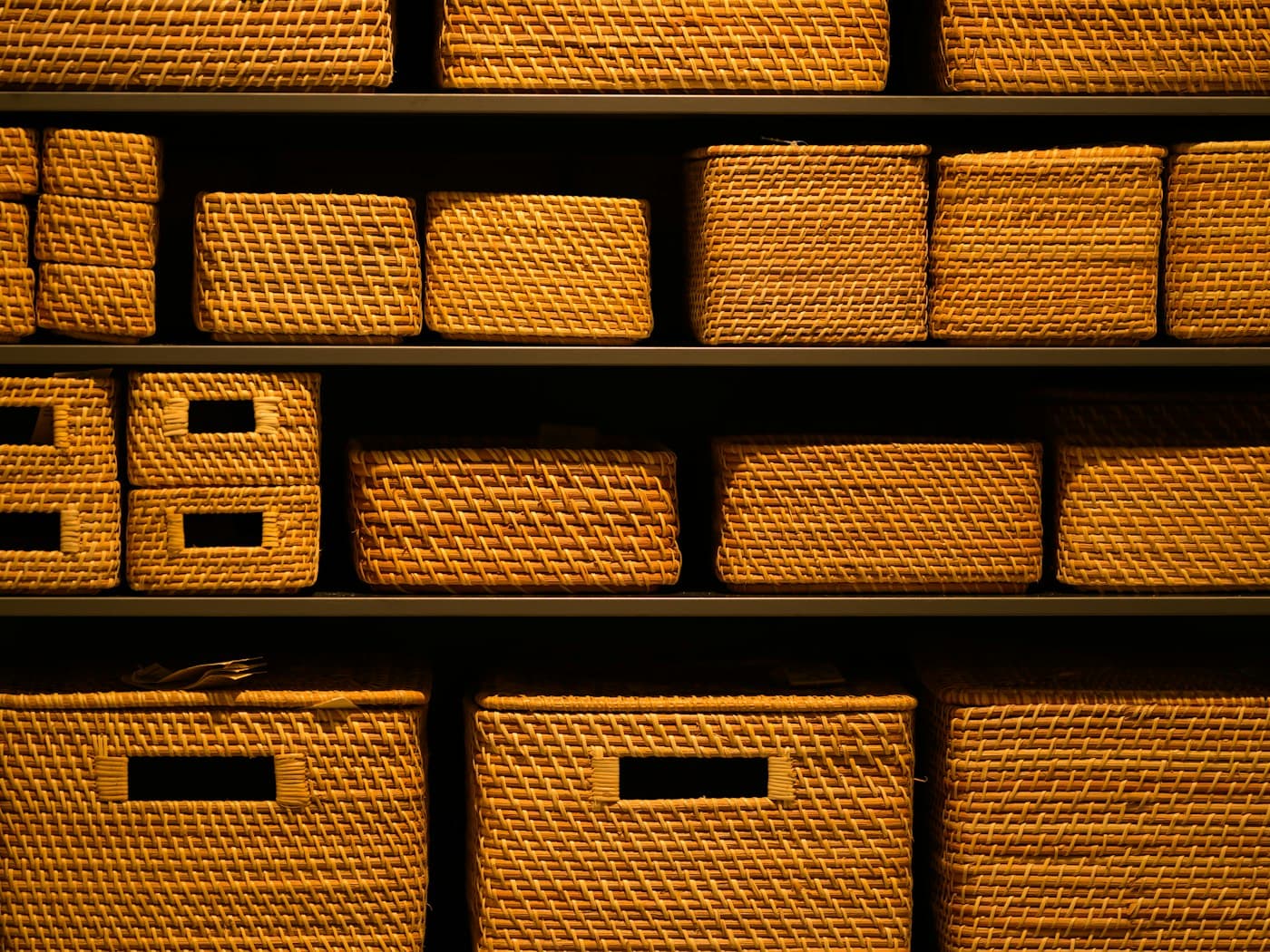
Group small, frequently used items into a single basket, tray or container rather than leaving them scattered across surfaces. A few contained groups read as tidy; the same items spread out read as clutter.
Keep what you use often within reach and move everything else out of sight. The goal isn't to hide everything — it's to make sure only the things you actually need are competing for visual attention.
- 01Group Small ItemsA basket or tray of loose items reads as one tidy group instead of many small distractions.
- 02Clear One Surface at a TimeStart with the surface that collects the most clutter and give everything on it a proper home.
- 03Keep Essentials AccessibleStore daily items somewhere quick to reach so they don't end up sitting out instead.
- 04Edit Before You OrganizeRemoving what you don't need is often more effective than finding a better way to store it.
RoomMinded Tip
Pick the single surface that bothers you most and clear it completely. A calmer room usually starts with one small, finished area rather than a half-finished attempt at the whole space.
06 · Design for More Than One Purpose
Plan Rooms
for Real Life.
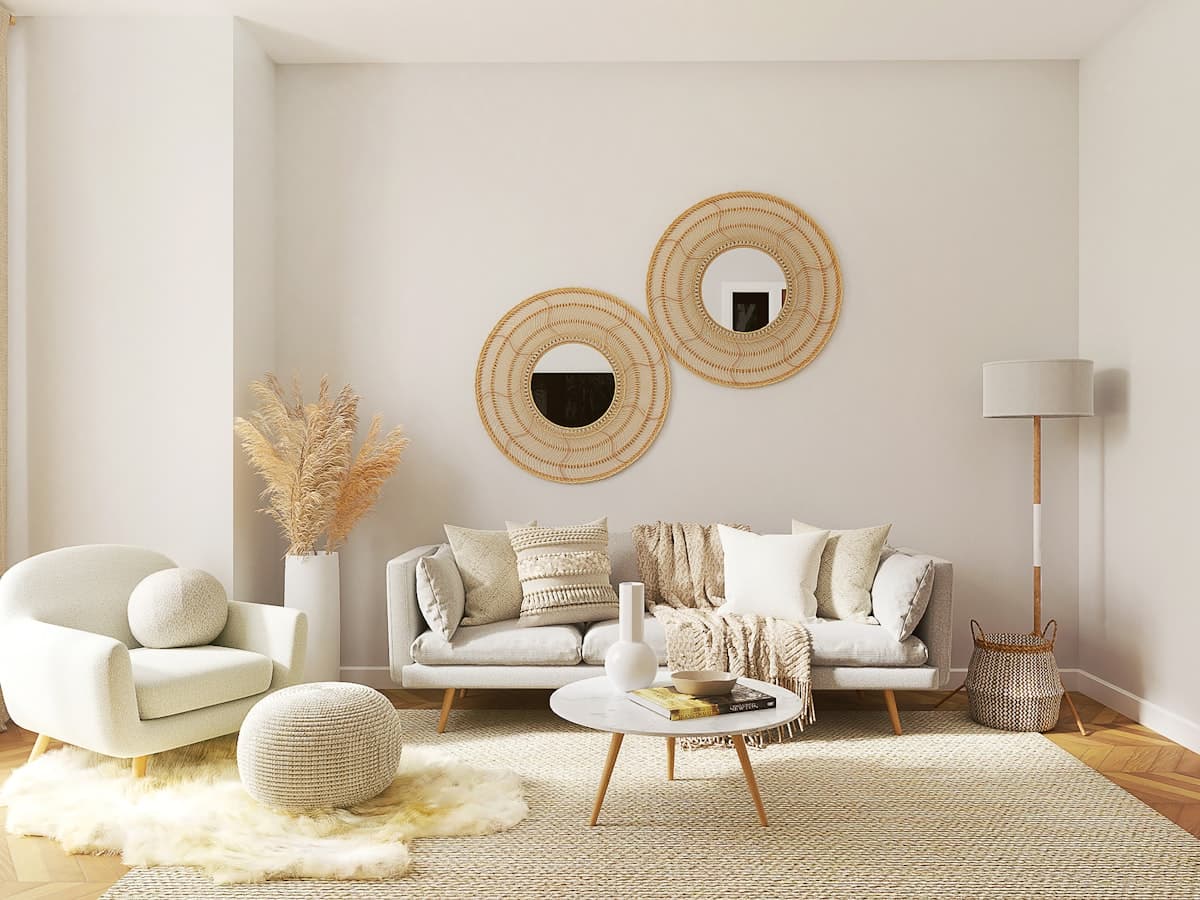
Few small homes have a spare room to dedicate to a single purpose. A guest room is often also an office; a living room may need to become a workspace during the day and a place to unwind at night.
Designing for more than one purpose means thinking through how a room needs to transition — a desk that tucks away, a sofa bed for guests, a dining table that becomes a workstation — rather than trying to make one layout serve every need at once.
The most flexible small rooms are the ones built around a few adaptable pieces and a layout that can shift, rather than a room crammed with separate furniture for every possible use.
- 01Identify the Room's Main UsesList what the room actually needs to support before choosing furniture for it.
- 02Plan for TransitionsChoose furniture that can switch roles — day to evening, work to rest — without a full rearrange.
- 03Keep a Guest-Ready OptionA sofa bed or daybed can let a room double as guest space without being dedicated to it full-time.
- 04Build Around a Few Adaptable PiecesA small number of flexible furniture pieces usually works better than many single-purpose ones.
RoomMinded Tip
Once the layout, storage and furniture are working well, resist adding a piece for every possible scenario. A room designed around a few flexible pieces stays easier to live in than one filled with single-purpose furniture.
Ready to Put This Into Practice?
Explore a few thoughtfully chosen pieces that can help make a small space work harder.
RoomMinded Picks
Useful Pieces
for a Smaller Space.
A considered selection of storage, multifunctional furniture, compact lighting and organization pieces that can help any small space work harder.
STORAGE
Slim Storage Cabinet
A narrow footprint that helps keep everyday clutter under control without taking over a wall.
$89
View Product
FLEXIBLE FURNITURE
Nest of Tables
Flexible extra surface space that separates when you need it and tucks away again once the room needs to feel open.
$XX
View Product
LIGHTING
Adjustable Floor Lamp
A compact source of ambient and task light that doesn't need a surface — useful when every tabletop is already spoken for.
$XX
View Product
ORGANIZATION
Stackable Storage Basket
A simple, stackable basket with a clip-on lid that groups small everyday items so shelves and surfaces stay easy to keep tidy.
$XX
View ProductRoomMinded may earn a commission when you purchase through links on this page, at no additional cost to you.
Explore All Space-Saving PicksWhere This Applies
Solutions That Work
Across Every Room.
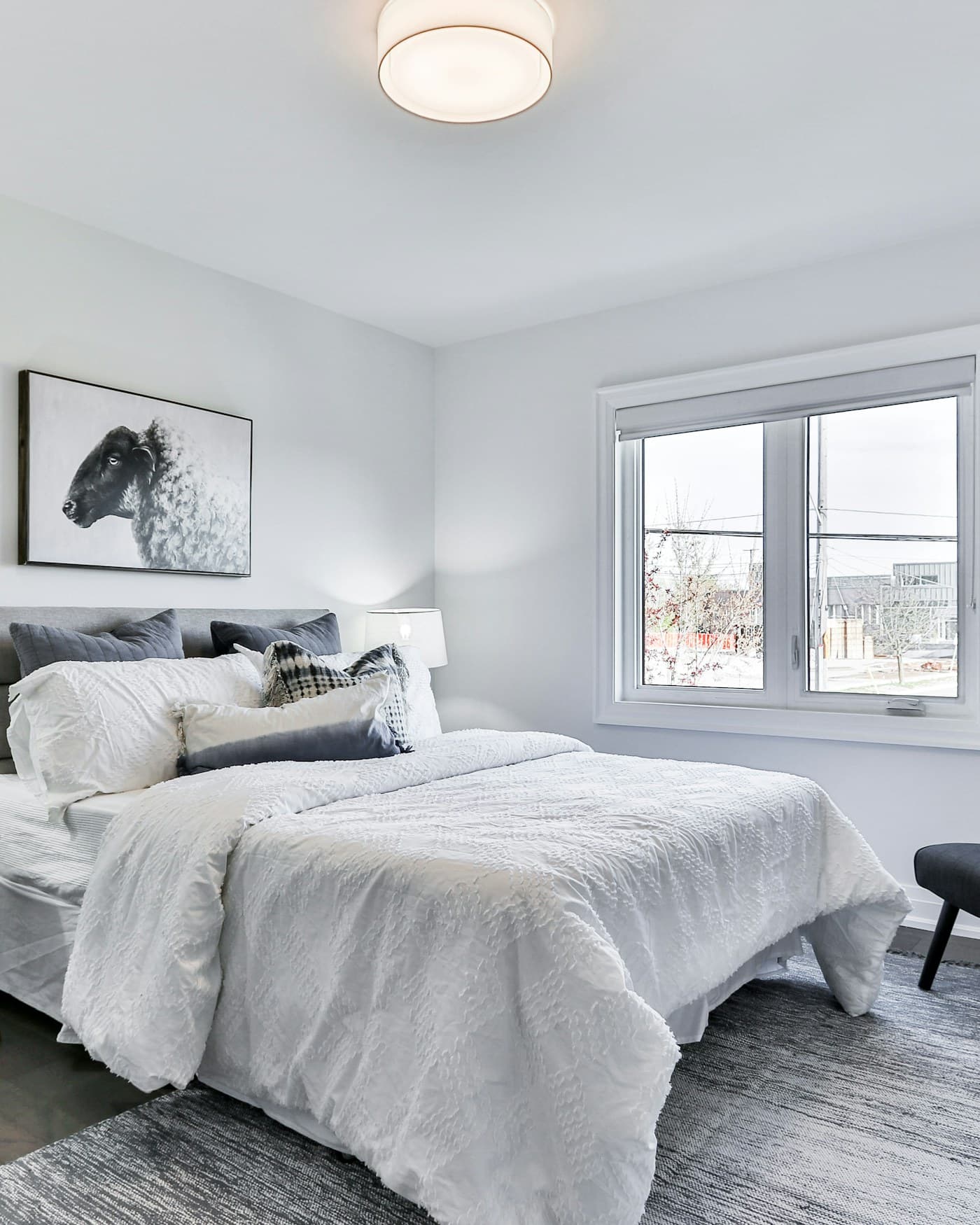
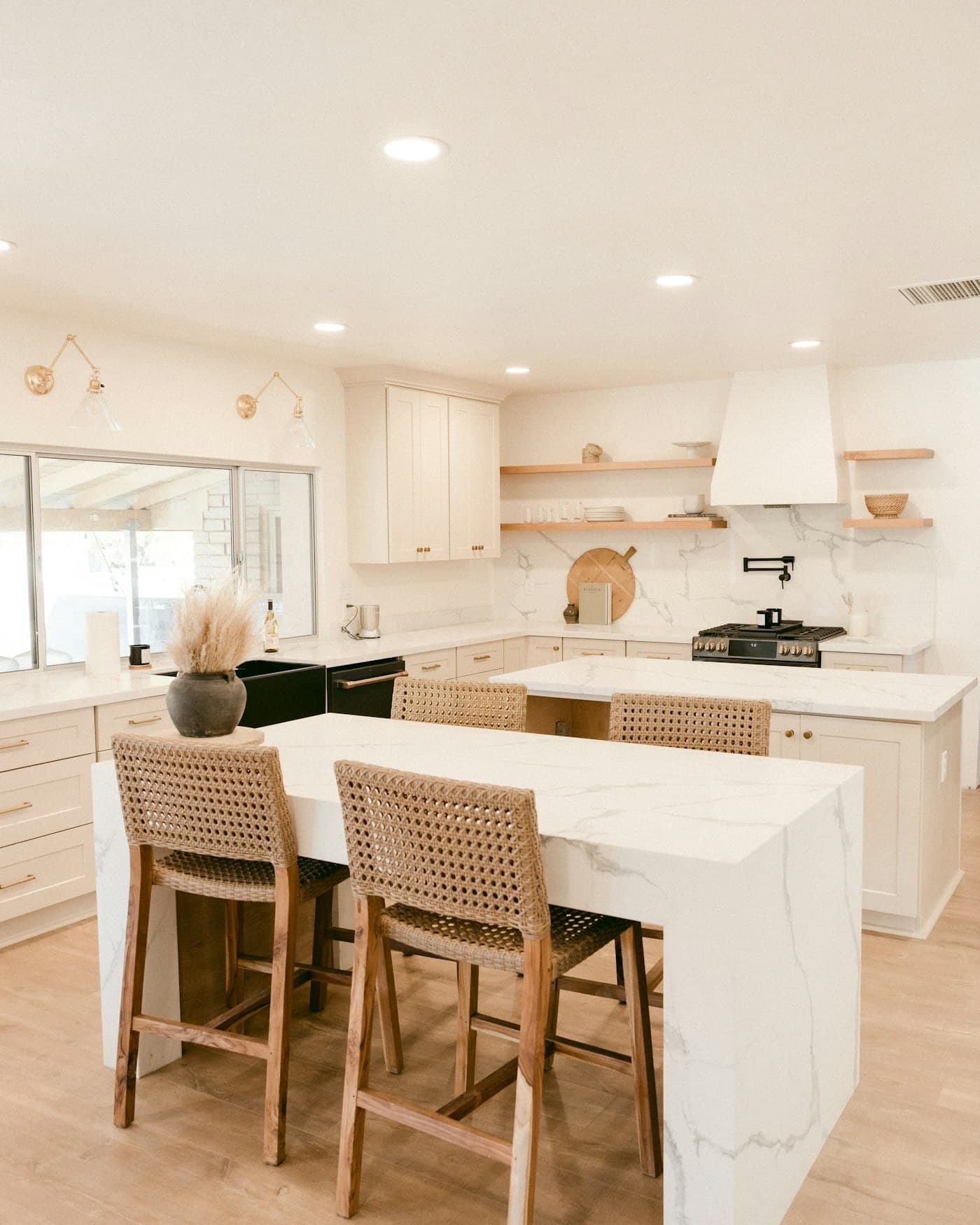
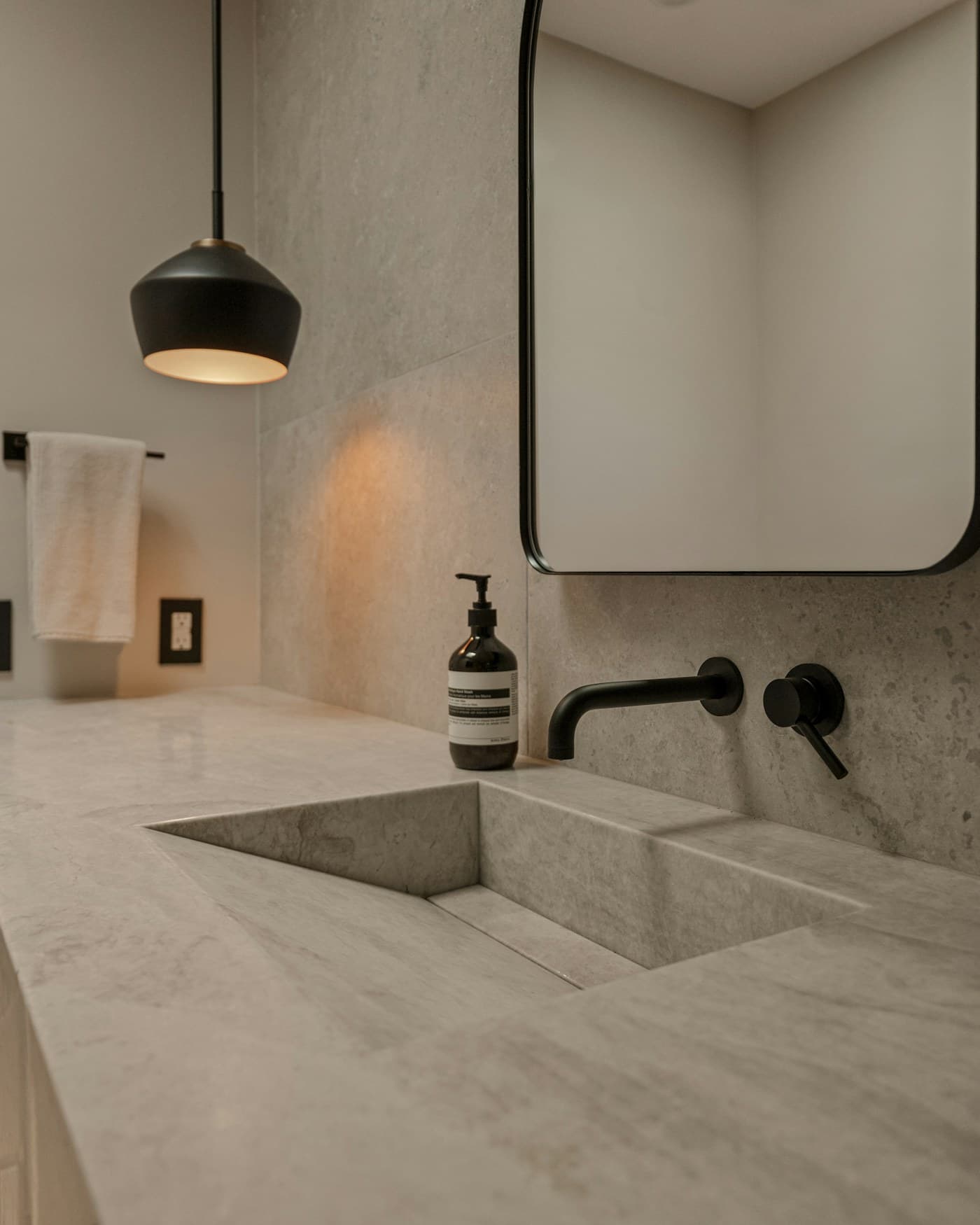
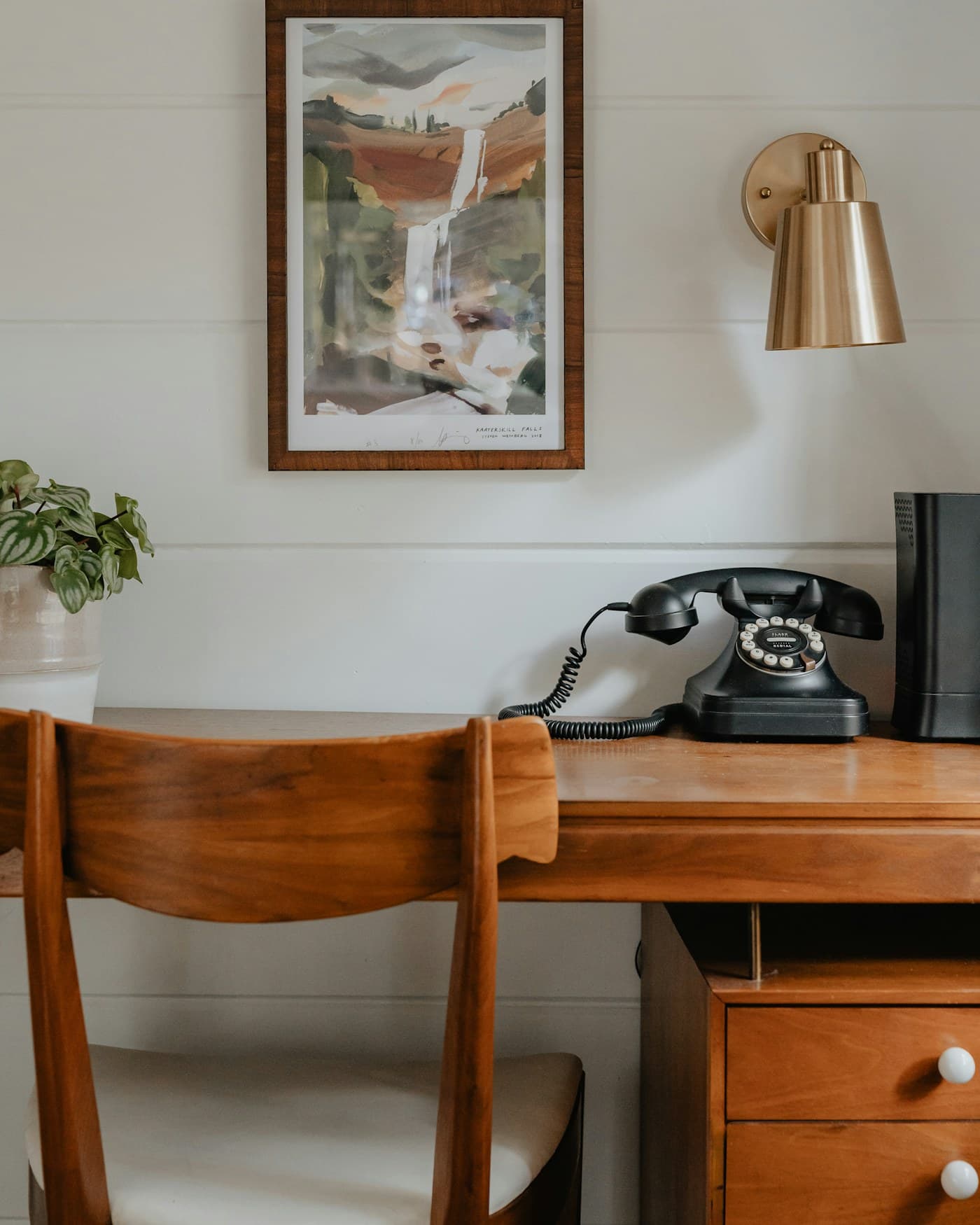
Small space techniques aren't limited to one room — see how flexible layouts, smarter storage and multifunctional furniture apply throughout your home.
Keep Exploring
More Ideas
for Small Spaces.
Continue exploring practical RoomMinded guides for storage, furniture and making the most of the space you have.
Small Spaces
How to Make a Small Room Feel Bigger
Discover practical small room ideas for better layouts, space-saving furniture, smarter storage and lighting that can make your home feel more open and comfortable.
Read Guide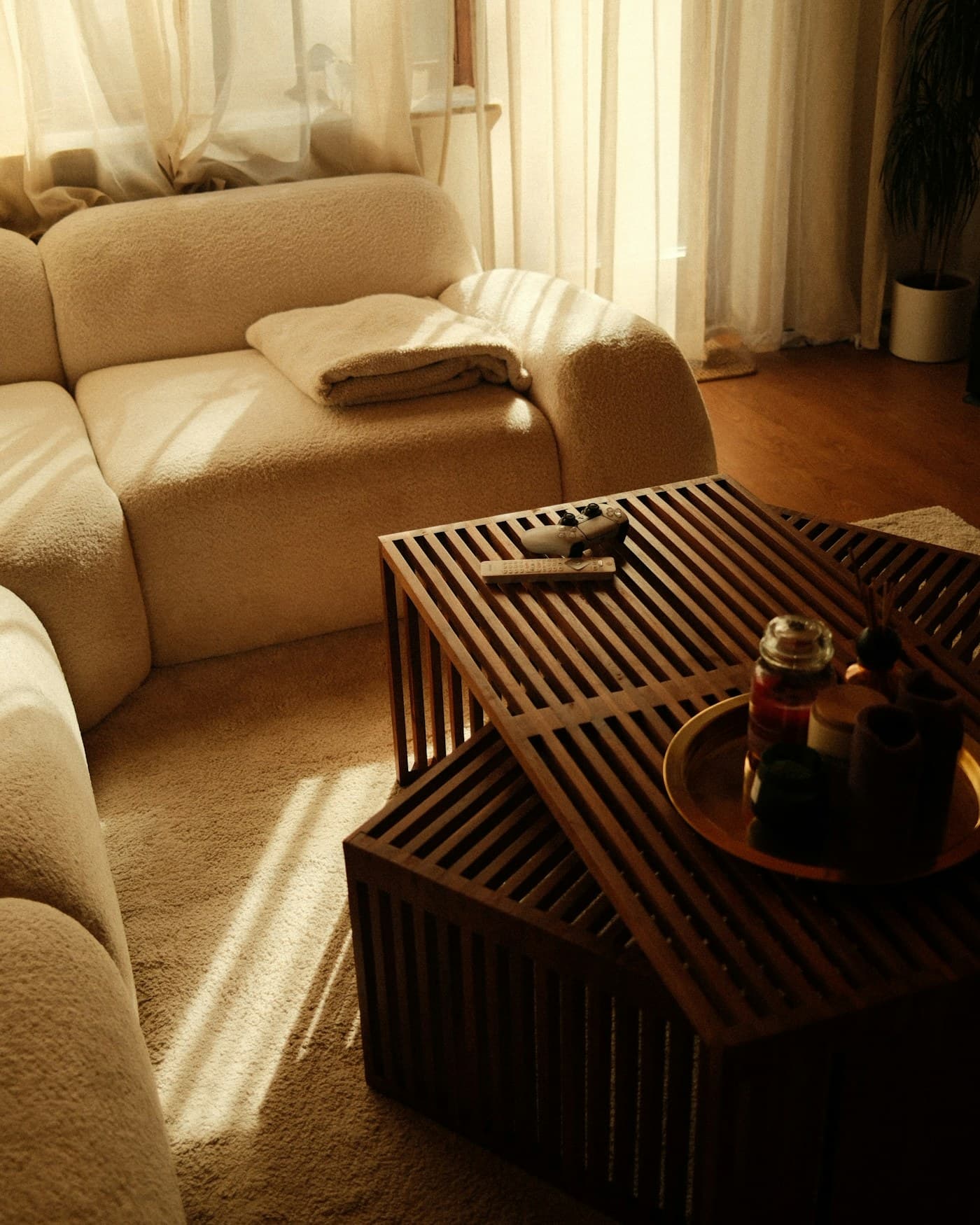
Living Room
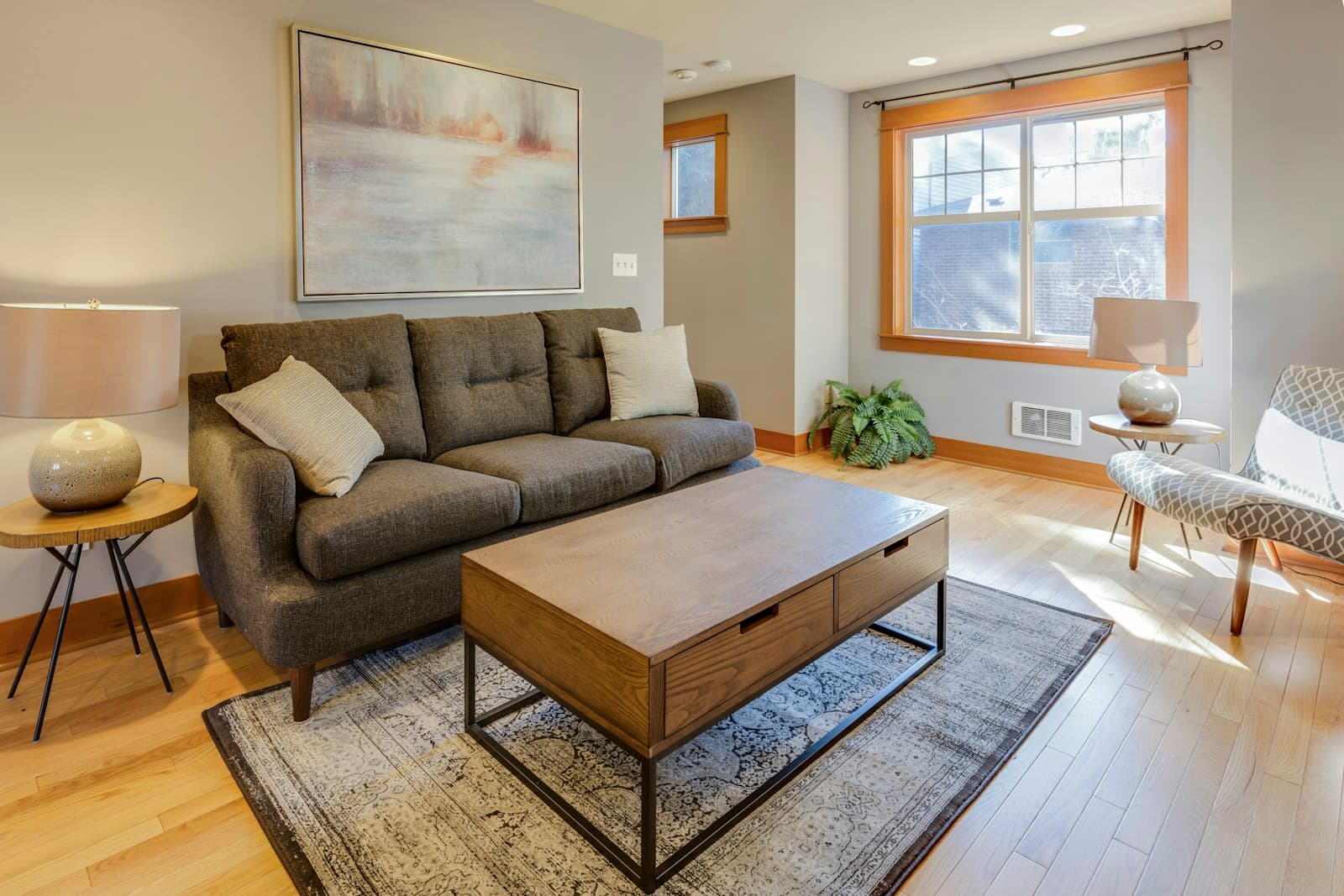
Small Living Room Layout Ideas for Better Everyday Flow
Practical layout ideas for a small living room — choosing a seating arrangement that fits how you actually use the room, and keeping traffic paths open.
Read Guide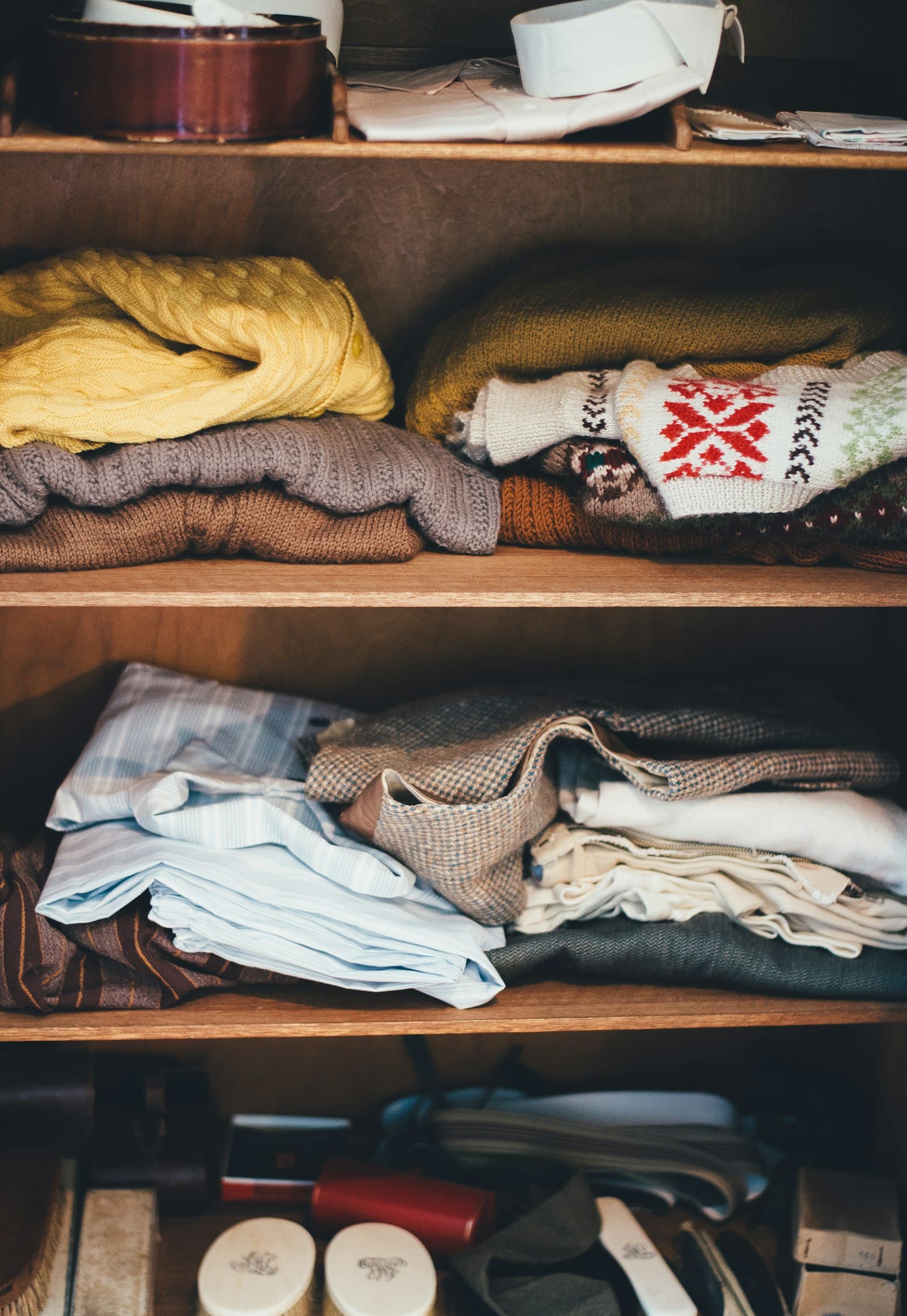
Bedroom
Bedroom Organization Ideas That Actually Work
Practical, low-effort ways to organize a bedroom — from the closet to the nightstand — so tidying up stays easy instead of becoming a weekend project.
Read GuideGood to Know
Small Space
Questions, Answered.
A few practical answers to common questions about making a small home easier to live in.
Start by defining what the room actually needs to do, then arrange furniture into loose zones for each activity. Multifunctional furniture and better use of vertical space usually help more than adding new pieces.
Look for pieces that can do more than one job — nesting tables, storage ottomans and extendable or foldable furniture. Avoid oversized pieces that limit how easily you can move around the room.
Favor storage that's built into furniture you already have, along with vertical space like shelving and wall-mounted units. Closed storage tends to keep a small room feeling calmer than open shelving filled with visible items.
Yes. Wall space is usually underused in a small room, so tall, narrow furniture and shelving can add real storage capacity without taking up any additional floor space.
Choose a small number of adaptable pieces — a sofa bed, a fold-away desk, an extendable table — rather than separate furniture for every use, and plan how the room transitions between them.
Group small, frequently used items into baskets or trays instead of leaving them scattered, keep only what you use often within reach, and move everything else out of sight.
Make More Room for Everyday Life
Small Space.
Better Solutions.
Find practical ideas for storage, furniture and flexible layouts that help every part of your home work harder.
Small changes make room for a better everyday life.