
Small Spaces
A Small Space
That Works Harder.
Make the most of a smaller home with practical ideas for layout, storage, furniture and everyday routines — without making the space feel cramped.
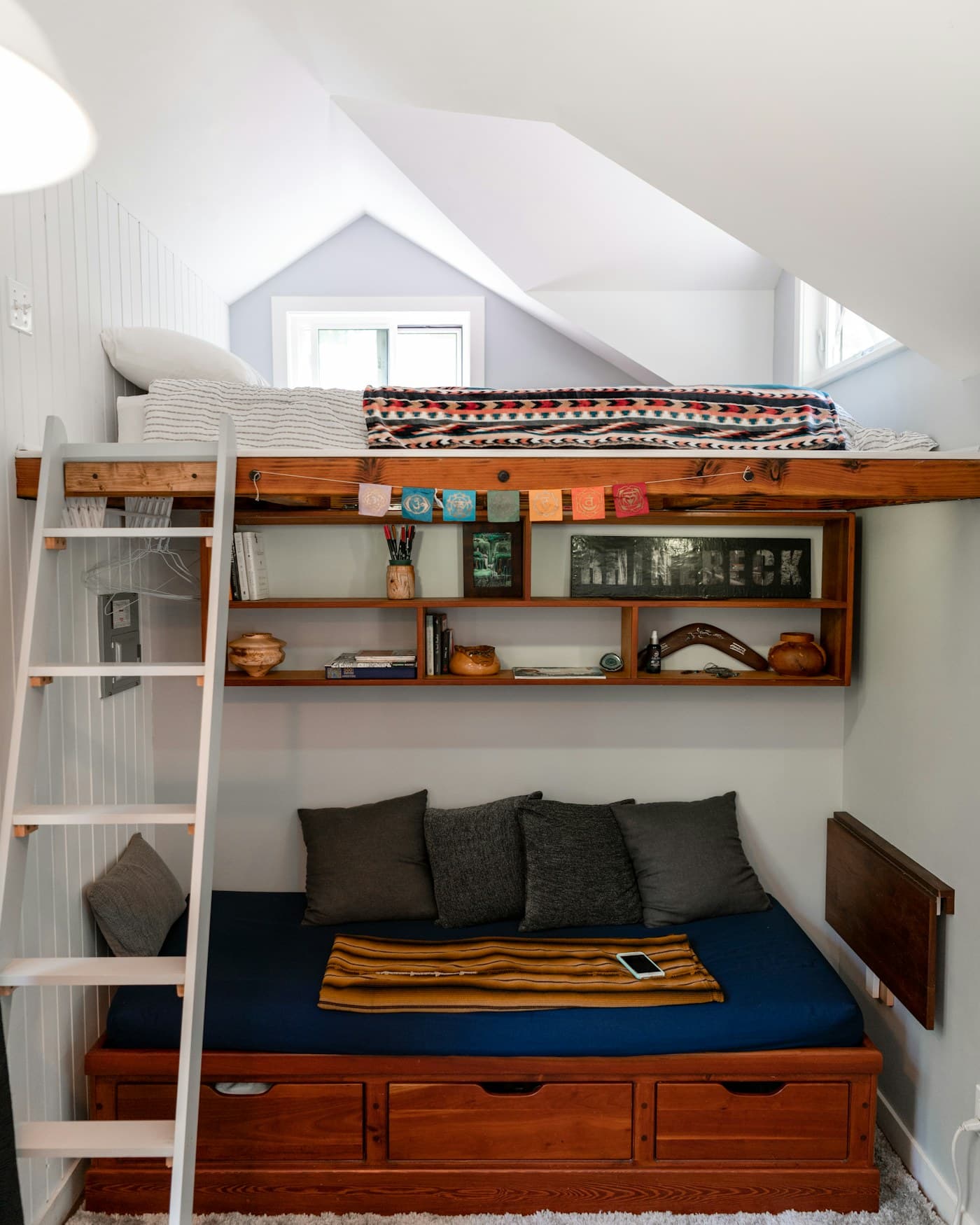 Room Guide
Why It Matters
A Small Space
That Feels Like Home.
A small room doesn't need to be maximized — it needs to be comfortable to actually live in, day after day.
That starts with keeping movement easy, being selective about what earns a place on the floor, and giving everyday items somewhere to go without the room feeling visually crowded.
The goal isn't to fit more in. It's to make sure the room genuinely works for the everyday needs it's already being asked to support.
Everyday Comfort
A small room should feel good to spend time in, not just efficient on paper.
Practical Movement
Keep clear paths through the room so it stays easy to move through every day.
What Earns Its Place
Be selective about what takes up floor space — not everything needs a spot.
Calm Storage
Keep everyday items organized without letting storage take over the room visually.
01 · Start With How You Live
Start With
How You Live.
Before changing anything about a small room, spend a few days simply noticing how you actually use it — where you sit, where you get ready, where the day tends to wind down.
A room designed around your real routines feels more comfortable than one designed around an idea of how it should look. The activities that happen most often deserve the easiest, most usable spots in the room.
This isn't about maximizing every inch. It's about understanding which parts of your day the room actually needs to support, and letting that guide everything else.
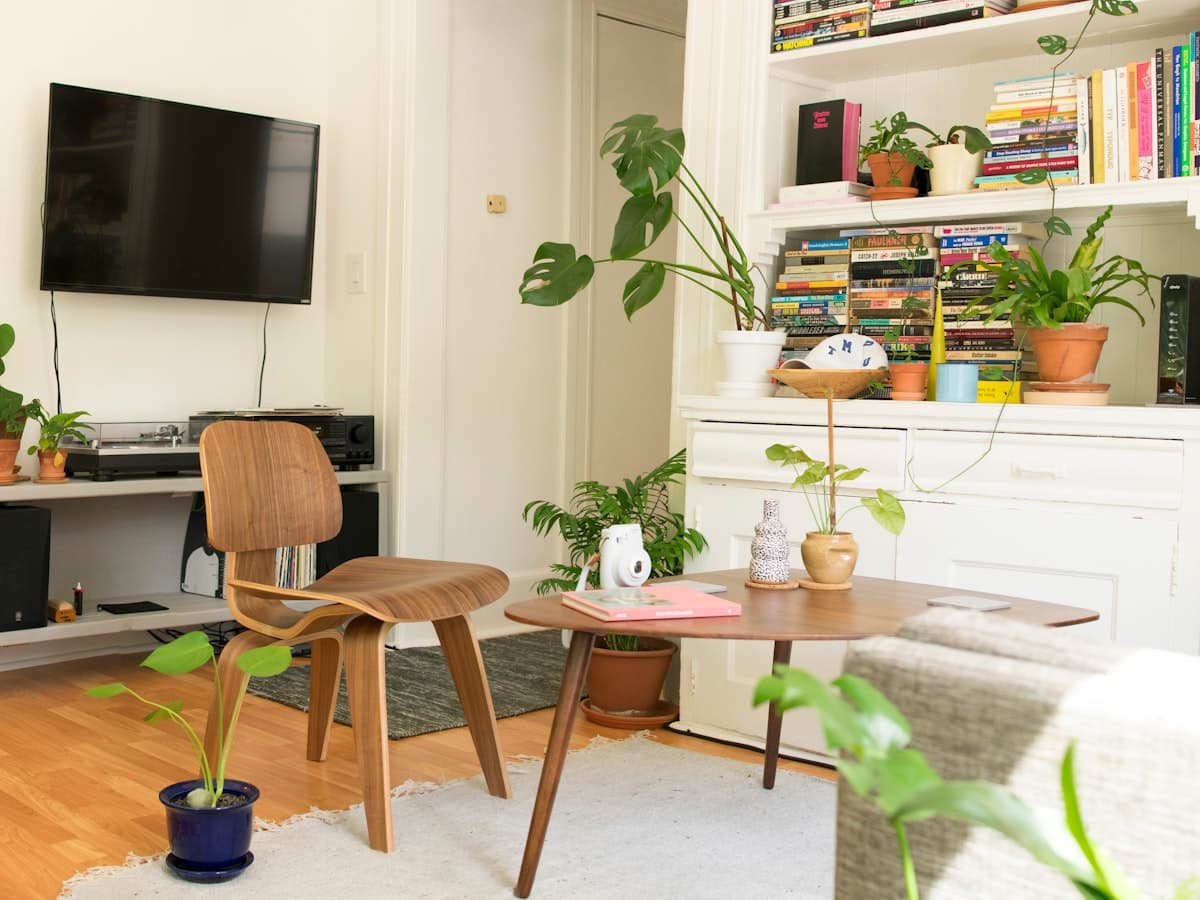
- 01Notice Your Real RoutineSpend a few days paying attention to how you actually move through and use the room.
- 02Identify What Needs SpaceSome everyday activities need dedicated room; others can comfortably share a spot.
- 03Prioritize Frequent UseGive the easiest, most reachable areas to whatever you do most often.
- 04Design Around Real LifeLet your actual habits shape the room, not a general idea of how it should look.
RoomMinded Tip
The most comfortable small rooms aren't the most organized ones — they're the ones built around how someone actually lives, day to day.
02 · Give Furniture Room to Breathe
Give Furniture
Room to Breathe.
It's tempting to fill a small room efficiently, but furniture that's too large or packed too tightly can make even a well-organized room feel cramped.
Pay attention to scale and the space left around each piece, not just how neatly it fits against a wall. A slightly smaller sofa or table with room to walk around it usually feels more comfortable than a larger one that leaves no space to move.
Protect at least one clear walking route through the room, and leave a little breathing room around the furniture you use most.
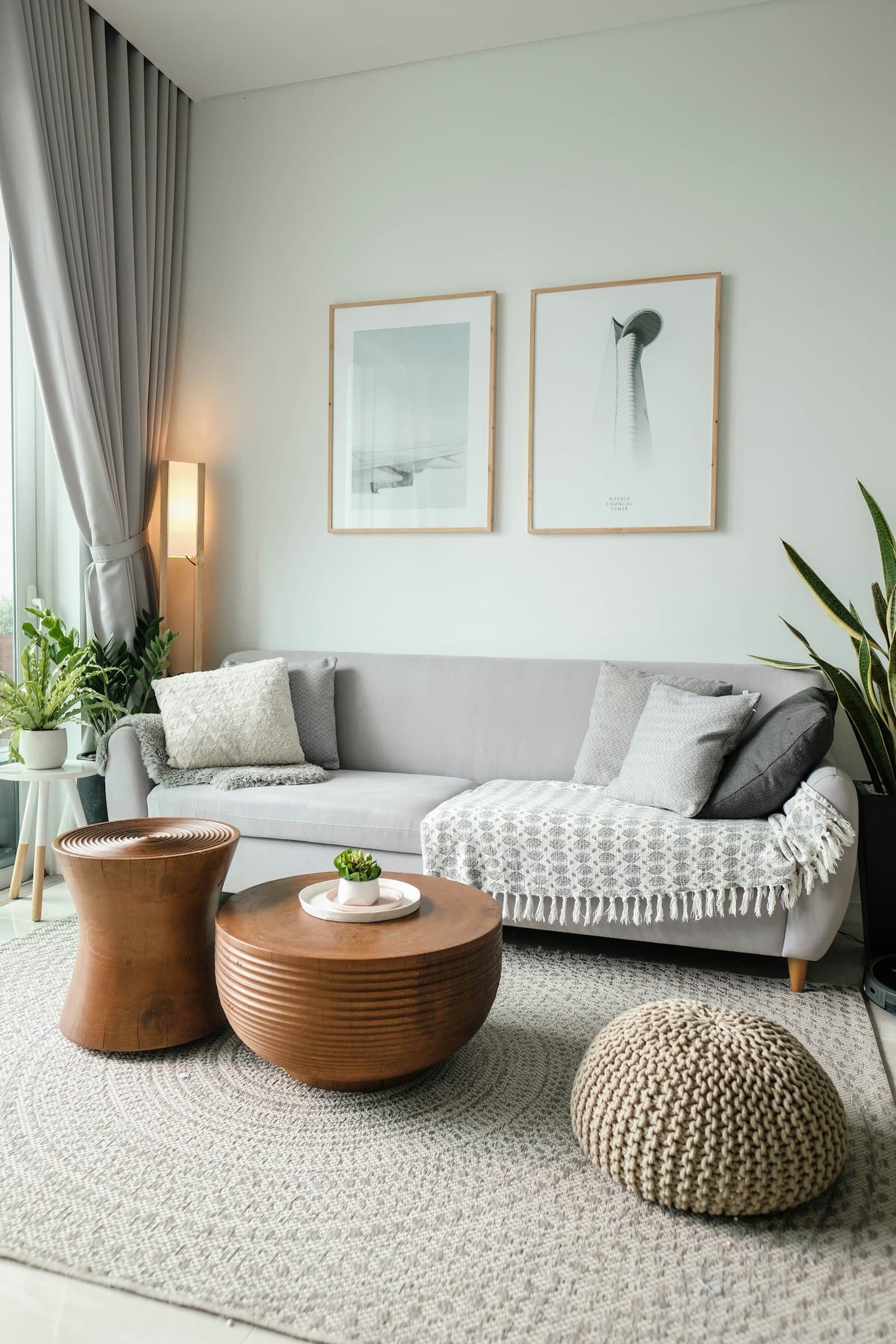
- 01Choose Furniture to ScalePick pieces sized to the room, not the largest option that will technically fit.
- 02Protect a Walking RouteKeep at least one clear path through the room, even if it means one less piece of furniture.
- 03Mind Visual WeightLighter, slimmer furniture can feel less crowding than a bulkier piece of the same footprint.
- 04Leave Space Around What You UseFurniture is easier to enjoy when there's room to actually reach and use it.
RoomMinded Tip
A room with a little empty space around the furniture usually feels calmer than one where every inch is filled — even if the second room technically holds more.
03 · Make Every Storage Spot Count
Make Every
Storage Spot Count.
Storage works best when it's placed where things are actually used, not just wherever there happens to be room.
Look at the spots that usually get overlooked — the back of a door, the space under a window, a gap beside a piece of furniture — and give each one a specific job. Storage doesn't need to be visible to be useful.
The goal is to keep everyday surfaces clear and usable, so the room feels finished even while it's being lived in.
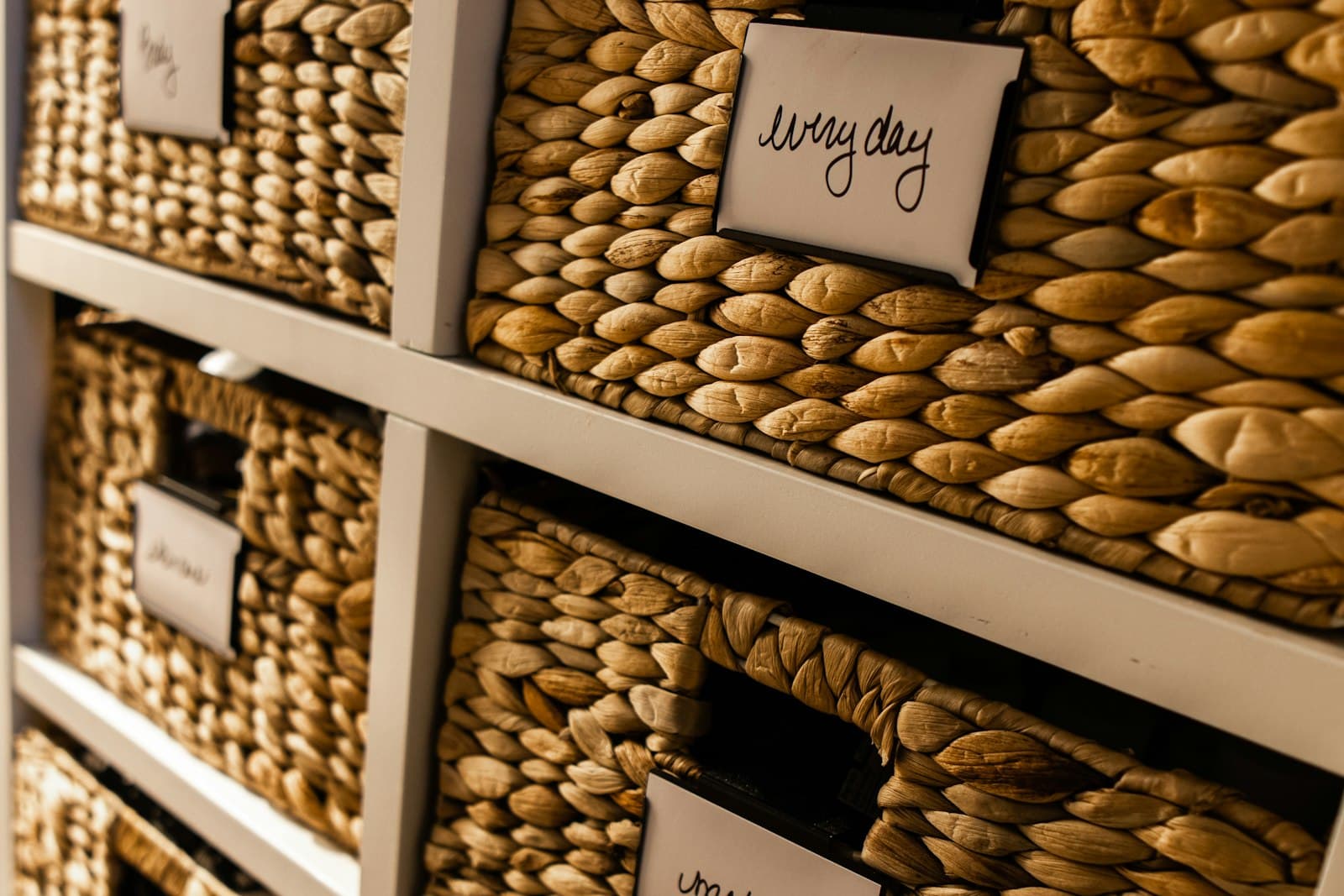
- 01Store Things Where They're UsedKeep items close to where you actually reach for them, not tucked away for tidiness alone.
- 02Look at Overlooked SpotsSmall gaps beside furniture or behind doors are often unused storage waiting to happen.
- 03Keep Surfaces UsableReserve everyday surfaces for what you're using right now, not general storage.
- 04Reduce What's VisibleGive small, frequently used items a specific home so they stop collecting on countertops and shelves.
RoomMinded Tip
A drawer or basket in the right spot solves more everyday clutter than a new piece of furniture in the wrong one.Explore Small Space Solutions
04 · Create Flexible Areas
Create Areas
That Flex With You.
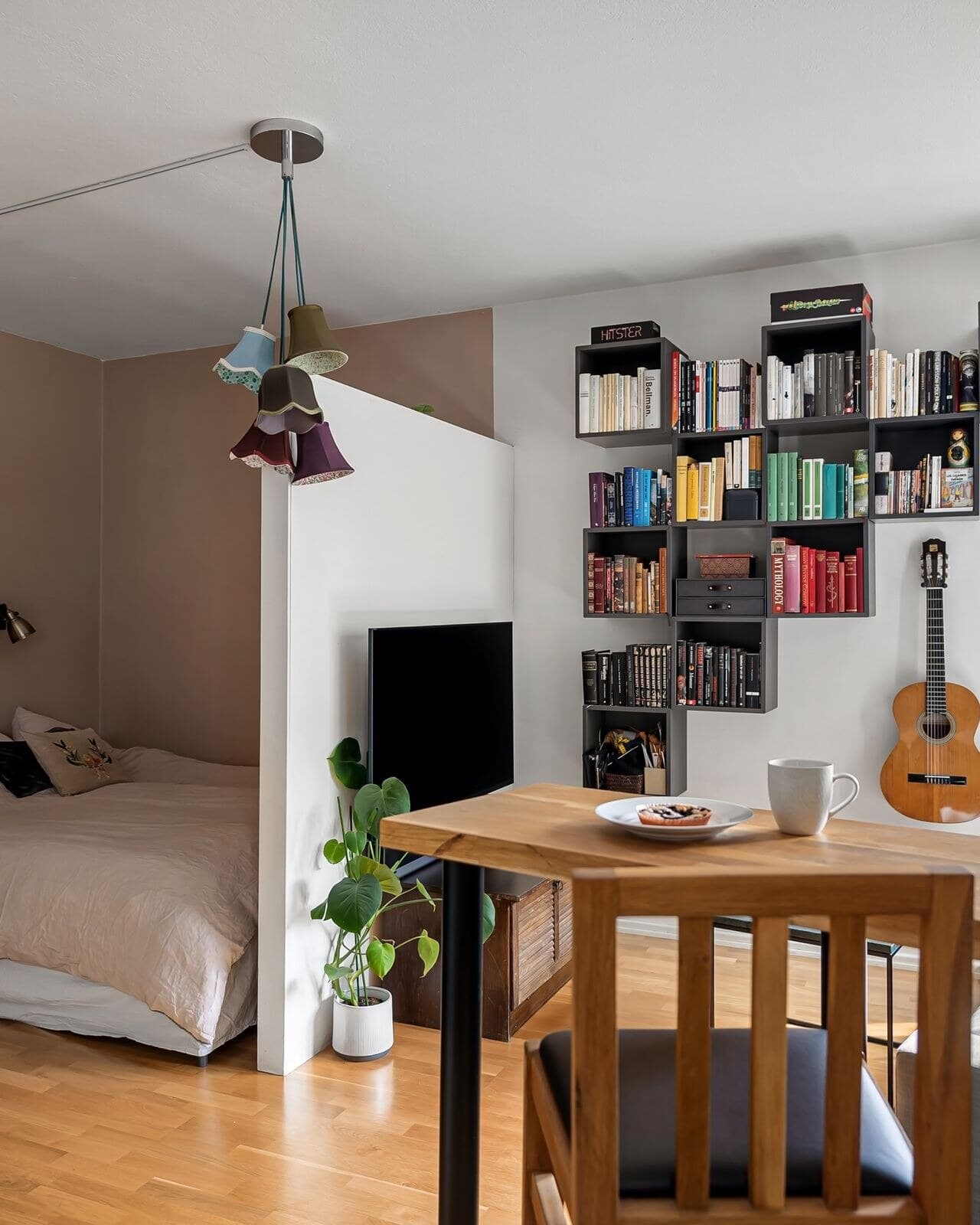
Few small rooms get the luxury of a single purpose. A living room might need to work for guests; a bedroom corner might double as a place to get ready and unwind.
Rather than fighting that, plan for it. A side table that moves, a chair that can be pulled into a different spot, a surface that clears easily — small adjustments like these let one room serve more than one everyday need.
The easier a space is to shift between uses, the less it feels like a compromise.
- 01Plan for More Than One UseThink through everything the room actually needs to support over a normal day.
- 02Choose Furniture That MovesLightweight, easy-to-shift pieces make transitions between uses simpler.
- 03Keep a Clear SurfaceA table or counter that clears quickly makes switching between activities easier.
- 04Make Transitions EasyThe fewer steps it takes to change how a room is used, the more it actually gets used that way.
RoomMinded Tip
A room that adapts easily gets used more often than one that only works one way — even if the second setup looks better on paper.
05 · Keep the Room Feeling Open
Keep the Room
Feeling Open.
A small room can feel larger or smaller depending on what's visible in it, not just what's actually there.
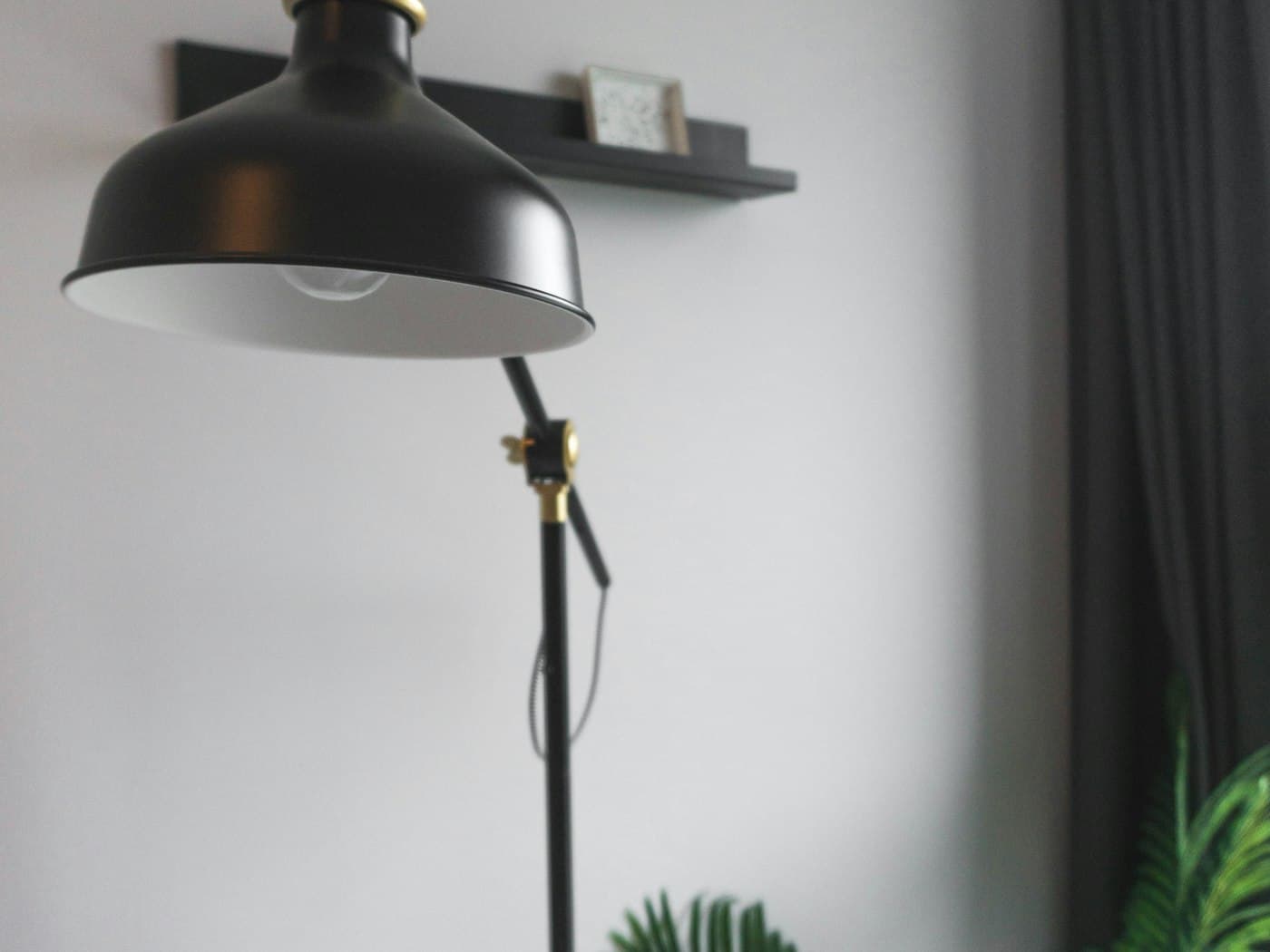
Clear sight lines, natural light and a restrained approach to decoration all help a room feel more open. A single meaningful piece often does more for the room than several smaller ones competing for attention.
The goal isn't to leave the room empty — it's to make sure nothing in it is working against how open the space feels.
- 01Protect Sight LinesKeep the view across the room as clear as possible, especially near windows and doorways.
- 02Make the Most of Natural LightAvoid blocking windows with furniture or heavy window treatments.
- 03Be Selective With DecorationA few meaningful objects usually read as calmer than many small ones.
- 04Question Extra FurnitureBefore adding a piece, consider whether the room genuinely needs it.
RoomMinded Tip
If a room feels smaller than it is, look at what's blocking the view across it before you look at what's missing from it.
06 · Make Small Feel Comfortable
Make Small
Feel Comfortable.
A well-organized small room isn't automatically a comfortable one. Once the layout and storage are working, it's worth spending just as much attention on how the room actually feels to be in.
Good lighting, soft textiles and a few personal details go a long way — often further than more furniture or more storage ever could.
A small space doesn't need to apologize for its size. It needs to feel like a home, not a solved problem.
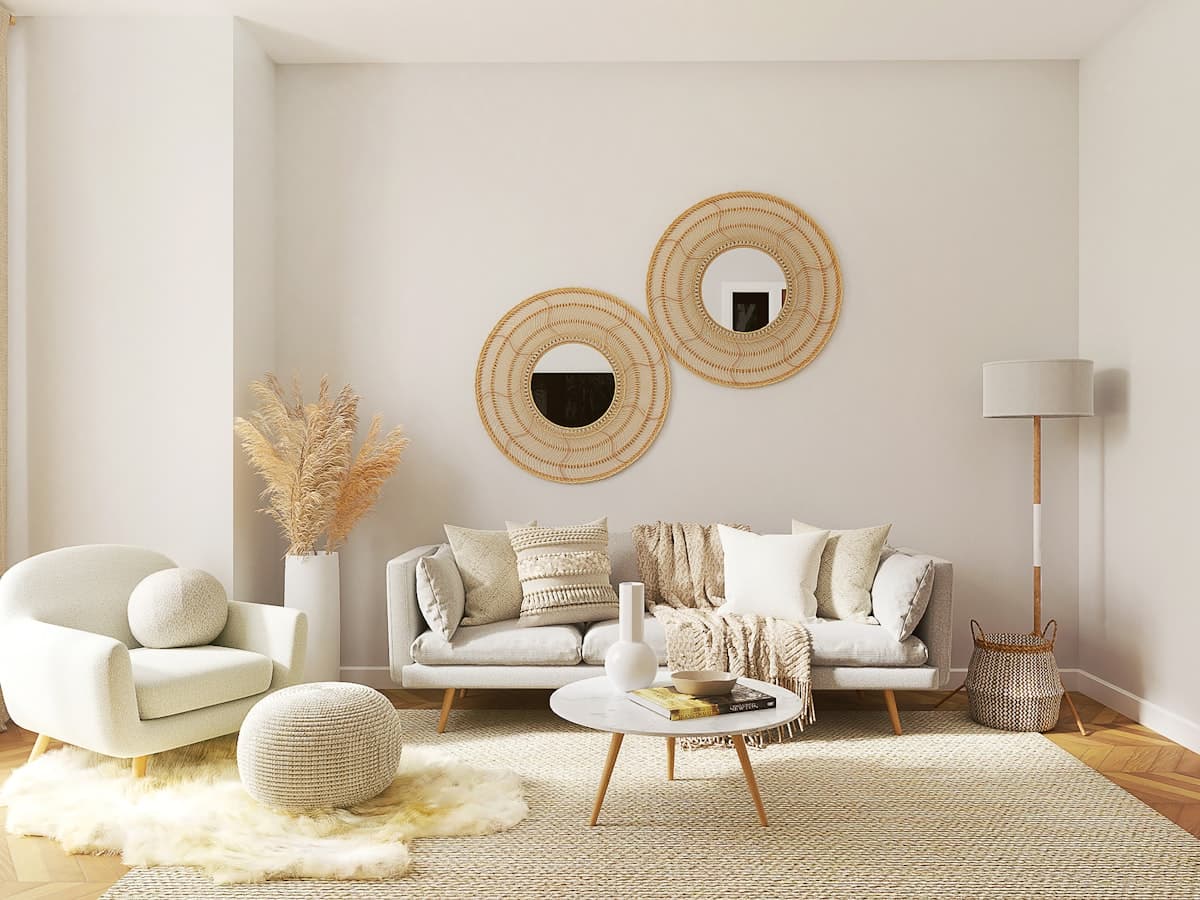
- 01Layer in Soft LightingA warm lamp does more for comfort than a single bright overhead light.
- 02Add Texture Through TextilesCushions, throws and rugs make a room feel lived-in without taking up floor space.
- 03Include a Few Personal TouchesObjects that genuinely mean something to you make a room feel like home.
- 04Avoid Over-OptimizingNot every inch needs a job — leaving a little room to breathe is part of what makes a space comfortable.
RoomMinded Tip
Once the practical decisions are made, resist the urge to keep optimizing. A small space that feels like home is more successful than one that's simply efficient.
Ready to Put This Into Practice?
Explore a few thoughtfully chosen pieces that can help your small space feel more comfortable and organized every day.
Explore Small Space PicksRoomMinded Picks
Useful Pieces
for a Smaller Room.
A considered selection of storage, lighting, furniture and organization pieces that can help any small room feel more comfortable and easier to live in.
COMPACT STORAGE
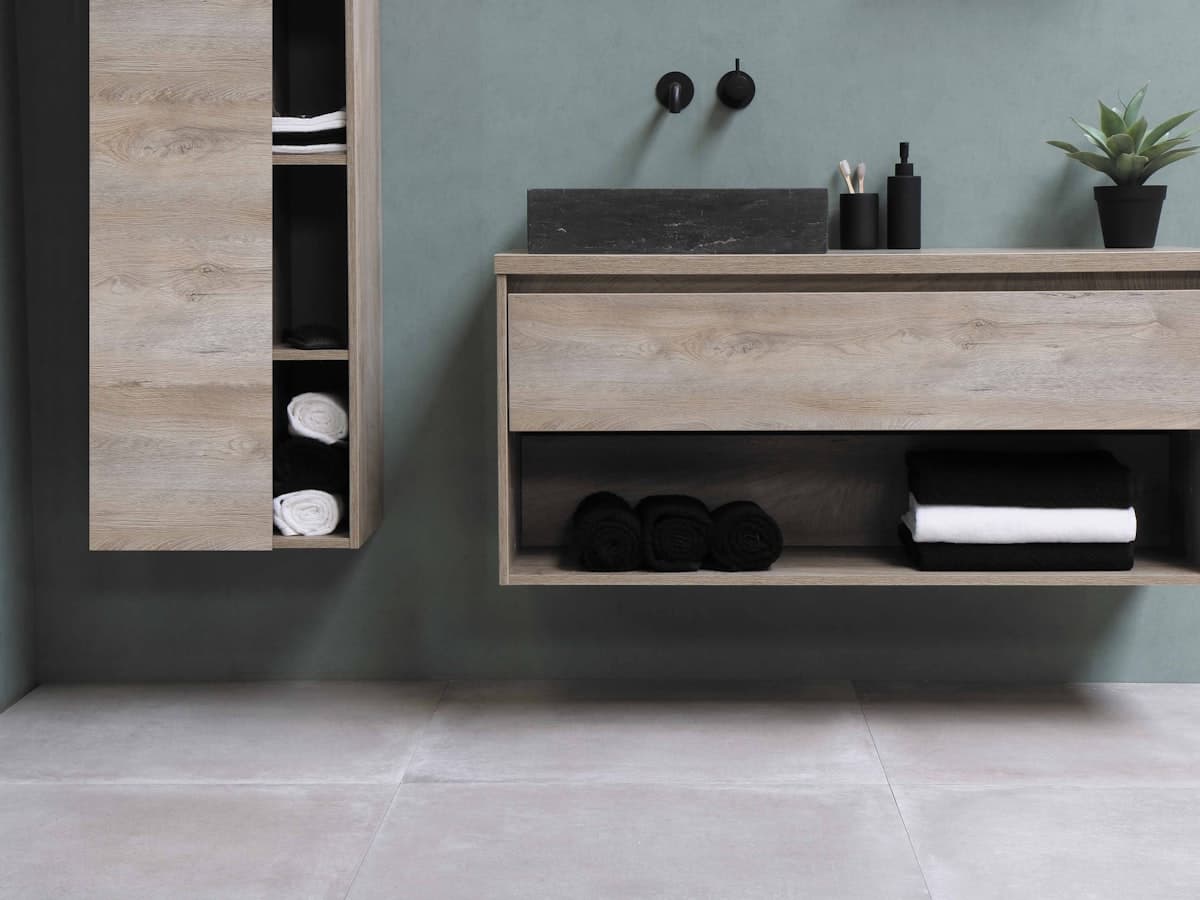
Slim Storage Cabinet
A narrow-footprint cabinet that adds real storage exactly where a small room needs it, without blocking a walking route.
$89
View Product
PRACTICAL FURNITURE
Foldable Dining Table
A compact table that folds away when it isn't needed, so the room can flex between eating, working and everyday use.
$49
View Product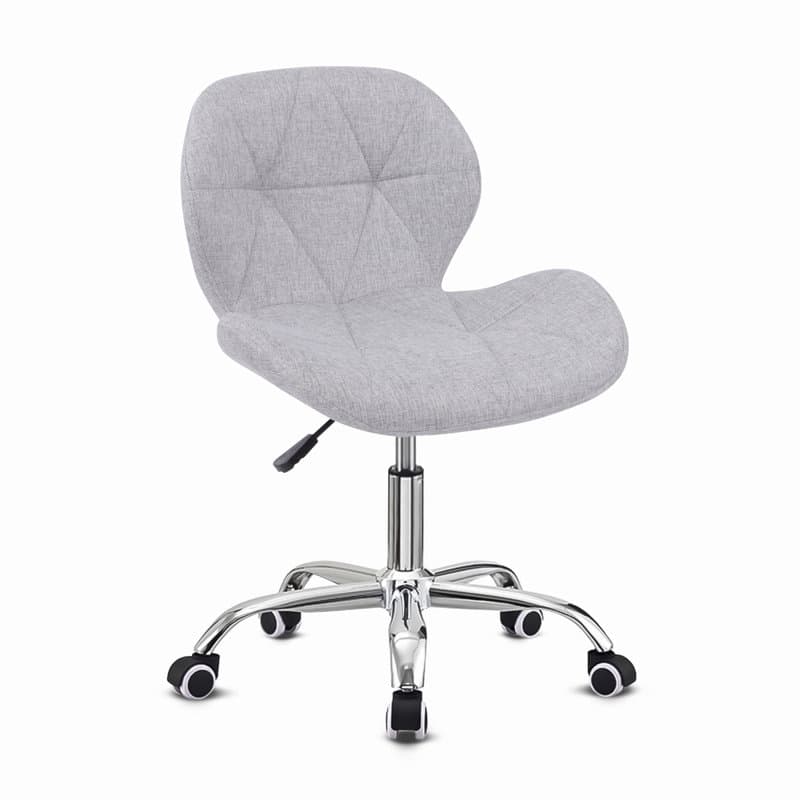
COMPACT SEATING
Compact Ergonomic Chair
A mesh office chair sized for a small room, bringing real ergonomic support without the bulk of a full executive chair.
$XX
View Product
ORGANIZATION
Stackable Storage Basket
A stackable basket with a clip-on lid, designed to nest and stack so it takes up as little space as possible when not full.
$XX
View ProductRoomMinded may earn a commission when you purchase through links on this page, at no additional cost to you.
Explore All Small Space PicksKeep Exploring
More Ideas
for a Smaller Home.
Continue exploring practical RoomMinded guides for everyday living, storage and lighting in a smaller home.
Small Spaces
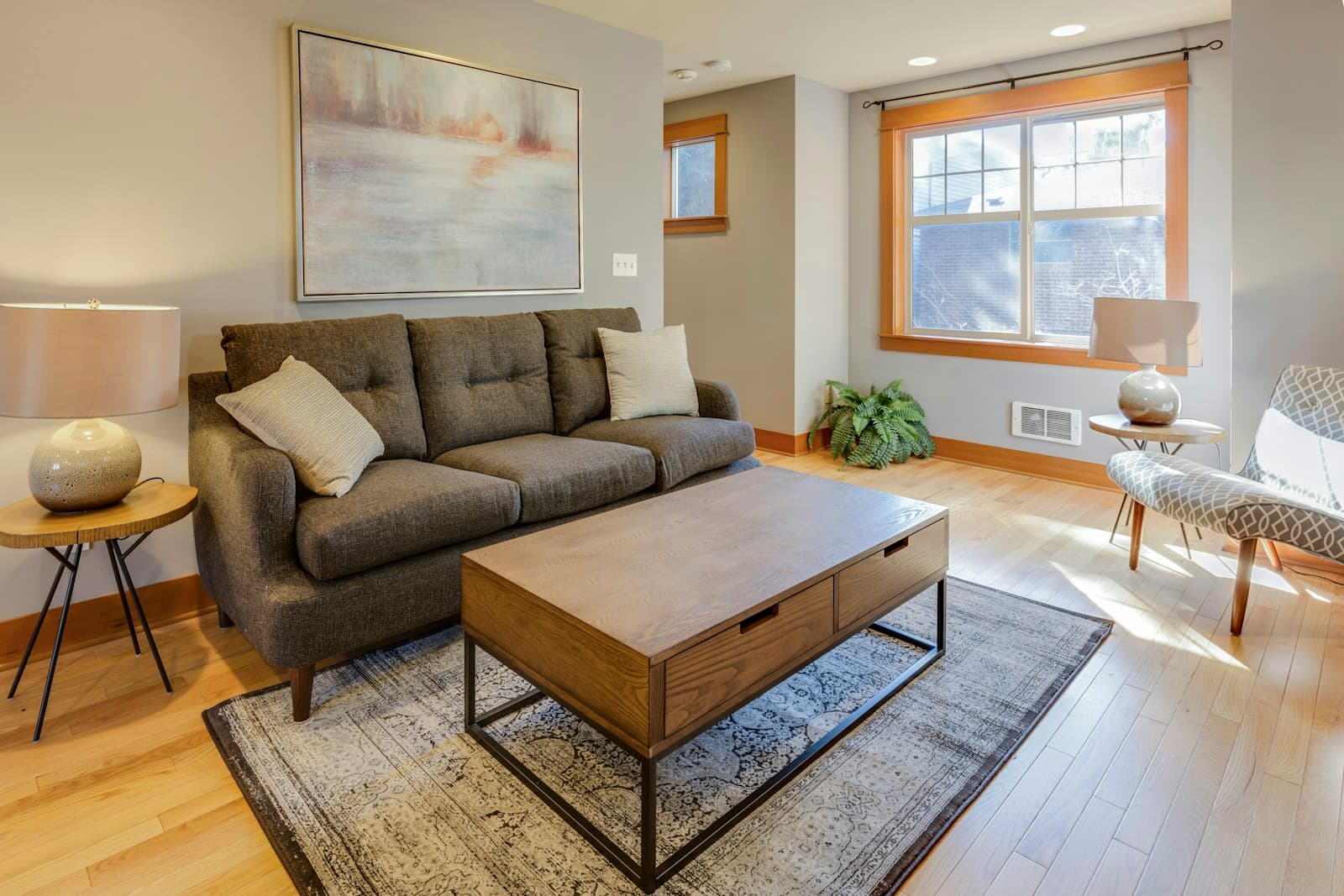
How to Make a Small Room Feel Bigger
Discover practical small room ideas for better layouts, space-saving furniture, smarter storage and lighting that can make your home feel more open and comfortable.
Read Guide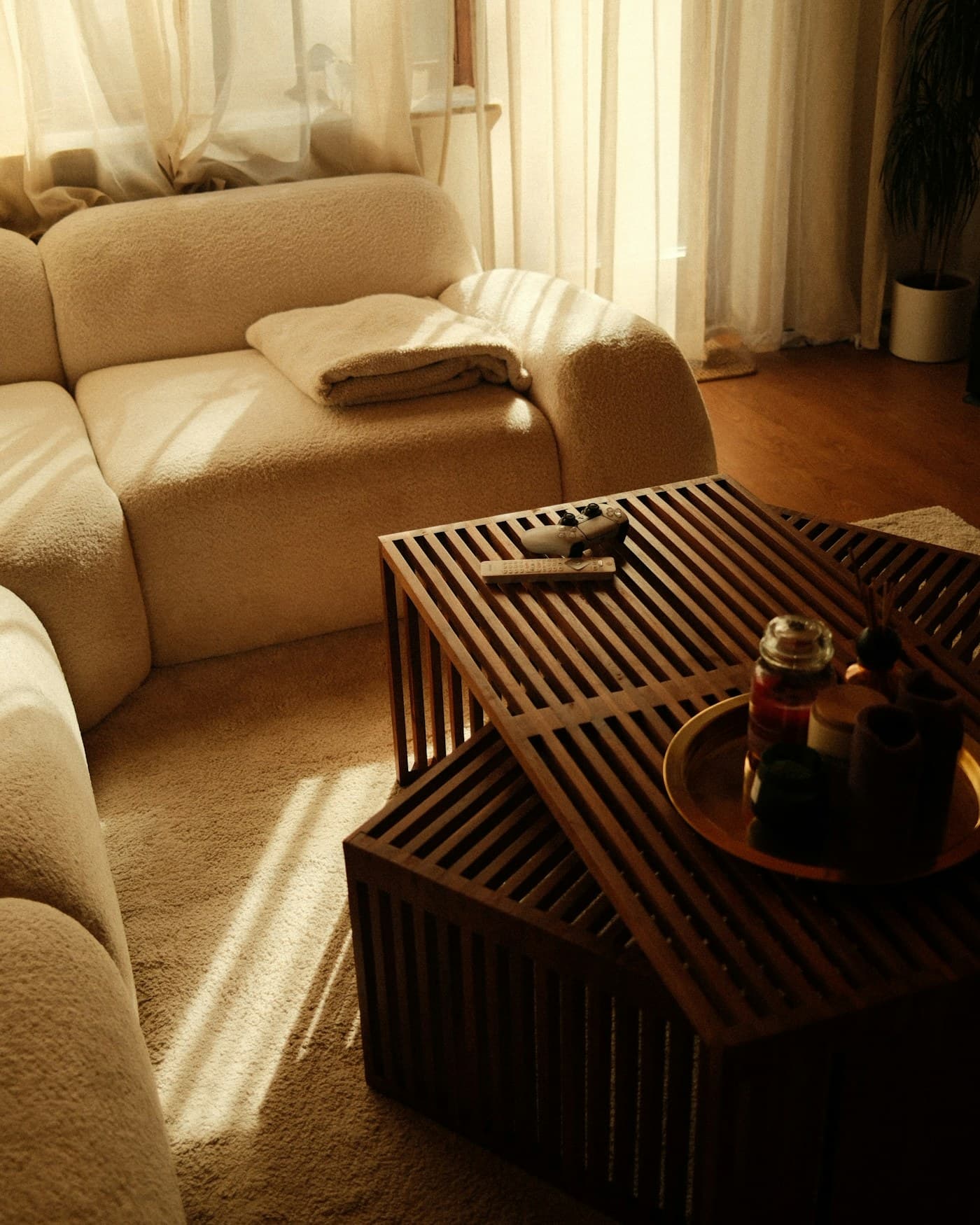
Living Room
Small Living Room Layout Ideas for Better Everyday Flow
Practical layout ideas for a small living room — choosing a seating arrangement that fits how you actually use the room, and keeping traffic paths open.
Read Guide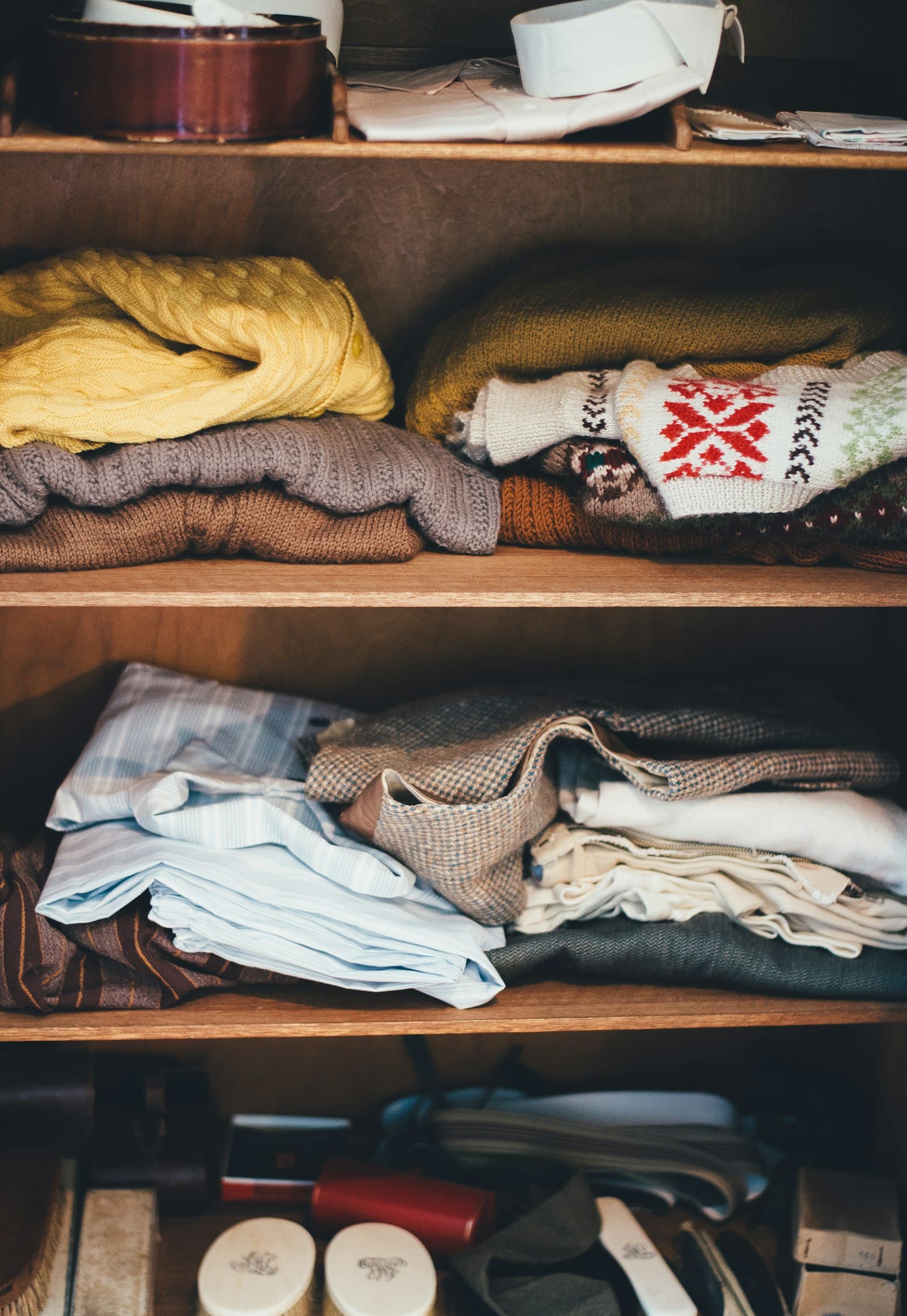
Bedroom
Bedroom Organization Ideas That Actually Work
Practical, low-effort ways to organize a bedroom — from the closet to the nightstand — so tidying up stays easy instead of becoming a weekend project.
Read GuideGood to Know
Small Spaces,
Questions Answered.
A few practical answers to common questions about living comfortably in a smaller room.
Focus on comfort as much as function — good lighting, soft textiles and a few personal touches often matter more than extra storage or furniture.
Only as much as the room can hold while still leaving a clear path to move through. If it's hard to walk around or open a drawer, it's probably too much for the space.
As close as possible to where things are actually used. Overlooked spots — behind doors, under windows, beside furniture — are often the easiest to put to work.
Keep sight lines clear, make the most of natural light, and be selective with decoration. A few meaningful objects usually feel calmer than many small ones.
Choose a few pieces that are easy to move or clear away, and plan how the room transitions between activities rather than trying to fit everything in at once.
Choose a small number of meaningful objects instead of filling every surface. A few things you genuinely love add more warmth than many decorative pieces.
Make Your Small Space Work for You
Small Space.
Comfortable Home.
Create a home that feels practical, comfortable and genuinely yours — even when every square foot has to work harder.
A small space works best when it's built around real, everyday life.