
Living Room
A Living Room
That Works Harder.
Create a living room that feels comfortable, welcoming and easy to live in — with practical ideas for layout, storage, furniture and everyday routines.
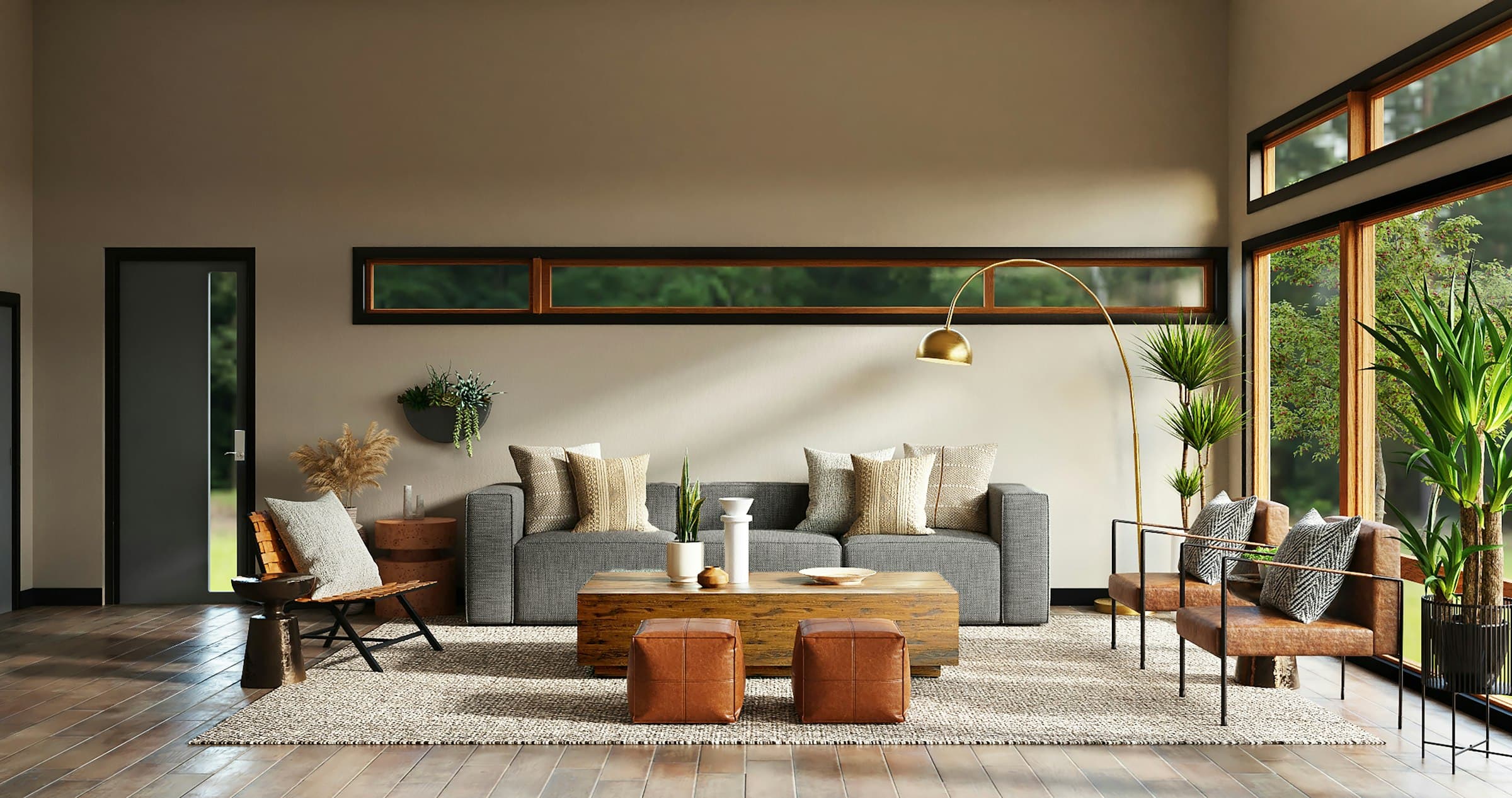 Room Guide
Why It Matters
A Living Room
That Works for You.
A living room should feel comfortable first, but it should also work for the way you actually live.
Whether you use it for relaxing, entertaining, working or simply getting through a busy day, thoughtful choices in layout, furniture and storage can make the space easier to live in.
The goal is not to fill the room with more things. It is to make every piece work harder while giving the room enough space to breathe.
Comfort
Choose seating that supports how you actually use the room.
Clear Flow
Leave enough space to move naturally around furniture.
Useful Storage
Keep everyday items close without allowing clutter to take over.
Flexible Function
Let the room adapt to different routines and activities.
01 · Get the Layout Right
Start With
the Way You Move.
The best living room layouts are built around the way people actually move through and use the space.
Before choosing new furniture, think about the main routes through the room, where people naturally sit and where conversation happens. Keeping these paths clear can make even a compact living room feel more comfortable.
A good layout should make the room easy to move through without sacrificing the comfort of the people using it.
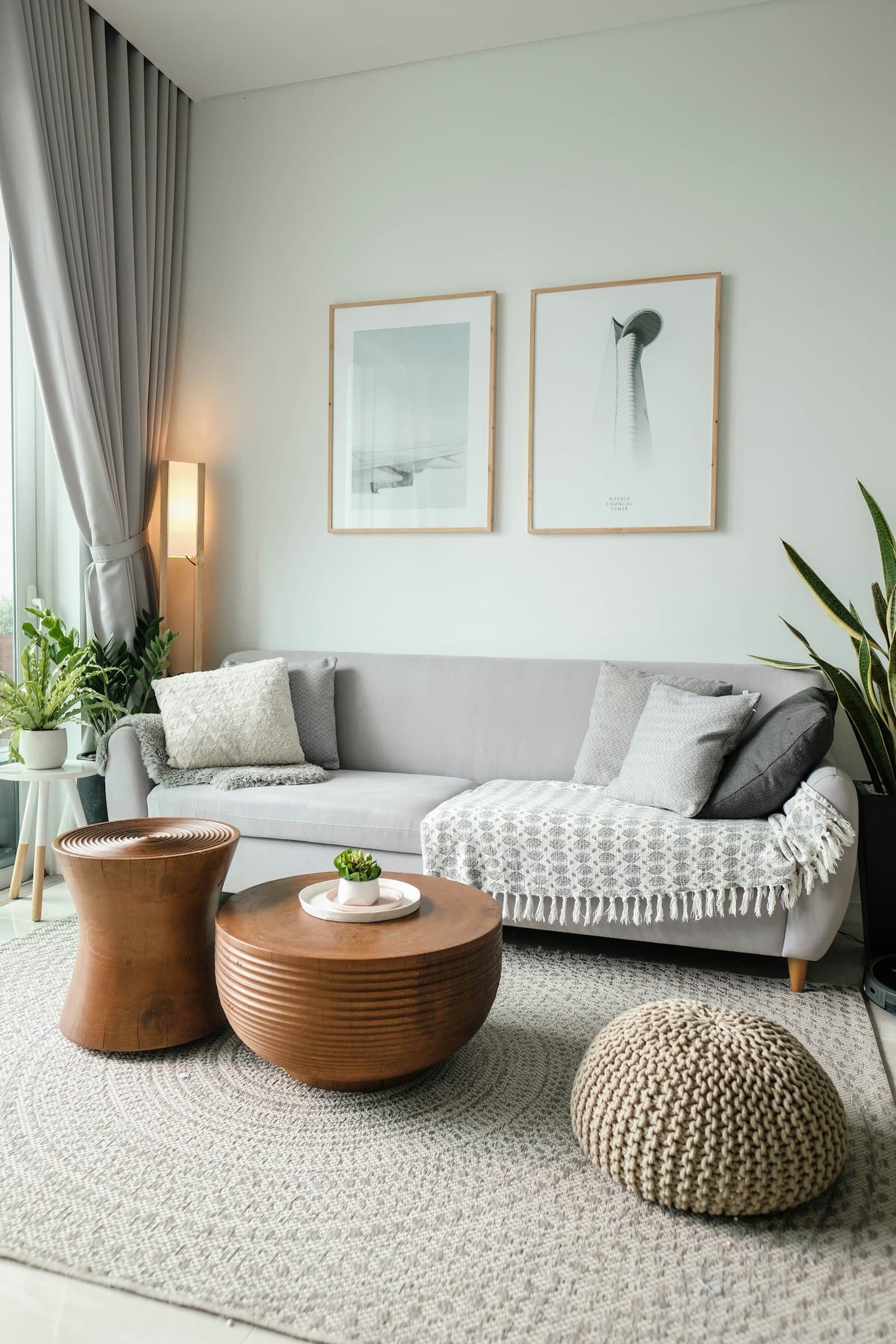
- 01Clear the Main PathLeave enough room for people to move naturally between the entrance, seating and other frequently used areas.
- 02Create a Focal PointGive the room a clear visual anchor such as a fireplace, window, artwork or main seating arrangement.
- 03Keep Seating ConnectedArrange seating so people can comfortably talk without having to turn away from each other.
- 04Test Before You BuyMove existing furniture around first. A different arrangement may solve the problem without requiring new pieces.
RoomMinded Tip
Before buying a new sofa or coffee table, try three different arrangements with the furniture you already have. The best layout is often the one that gives you more usable space without adding anything.
02 · Choose the Right Furniture
Choose Furniture
That Fits the Room.
Furniture has a huge influence on how a living room feels. A sofa that is too large can quickly make a room feel cramped, while pieces that are too small can leave the space feeling disconnected.
Think about proportion before style. Measure the available space, consider how people will move around the furniture and choose pieces that support the way the room is actually used.
Where possible, look for furniture that can serve more than one purpose. Flexible pieces can give a living room more function without adding unnecessary clutter.
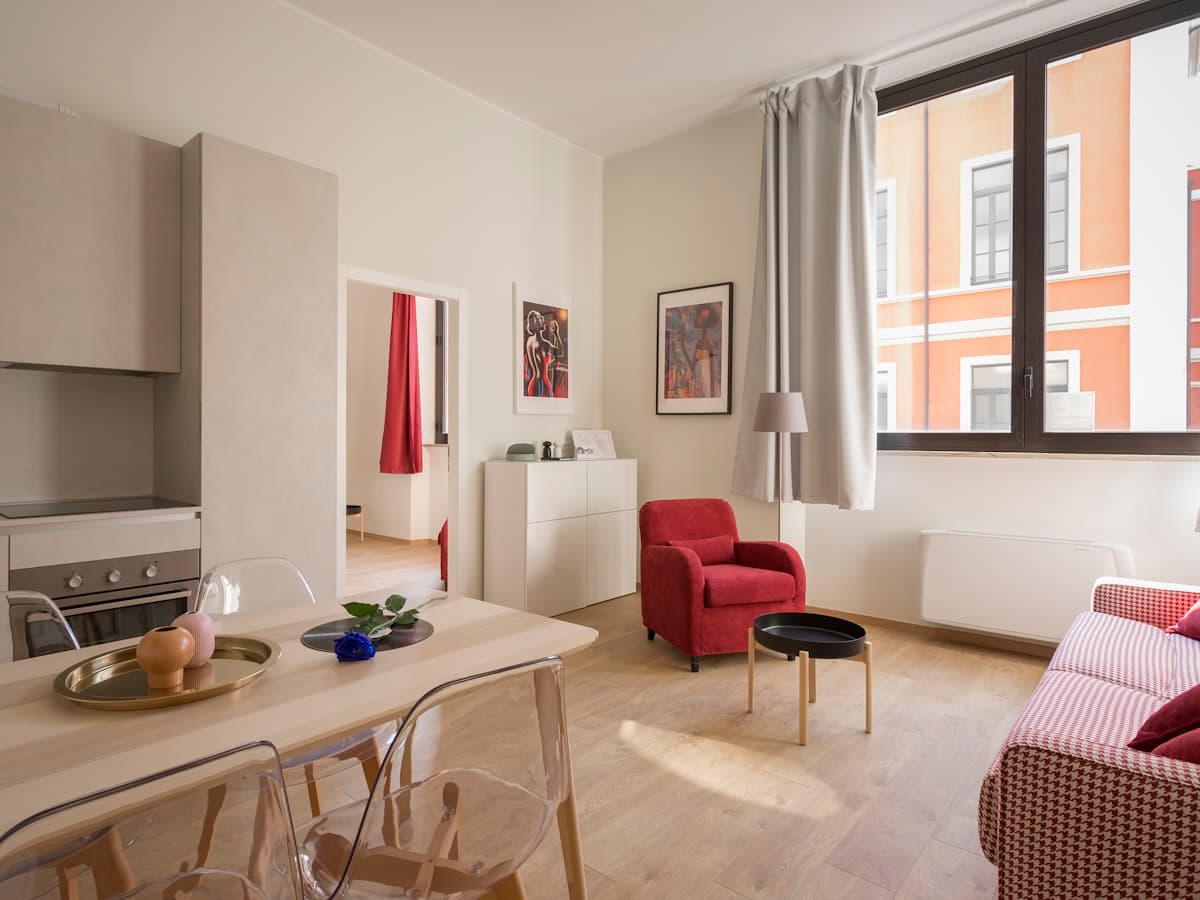
- 01Measure Before BuyingCheck the available width, depth and height before bringing a new piece of furniture into the room.
- 02Watch the ScaleChoose furniture that feels proportional to the room rather than simply choosing the largest or smallest option.
- 03Leave Room to MoveMake sure people can comfortably walk around sofas, tables and other large pieces.
- 04Look for FlexibilityConsider nesting tables, ottomans, modular seating or furniture with useful storage when they genuinely solve a problem.
RoomMinded Tip
Before buying a new piece, mark its footprint on the floor with tape. It is a simple way to see whether the furniture will actually work in the room.
03 · Make Storage Work Harder
Give Everything
a Place to Go.
A living room has to accommodate more than furniture. Books, blankets, remote controls, toys and everyday belongings can quickly make the space feel cluttered when they do not have a clear home.
Good storage keeps the things you use close without allowing them to take over the room. Look for opportunities to use existing furniture, unused corners and vertical space before adding another large storage piece.
The best storage solutions are the ones that make everyday routines easier while helping the room stay calm and organized.
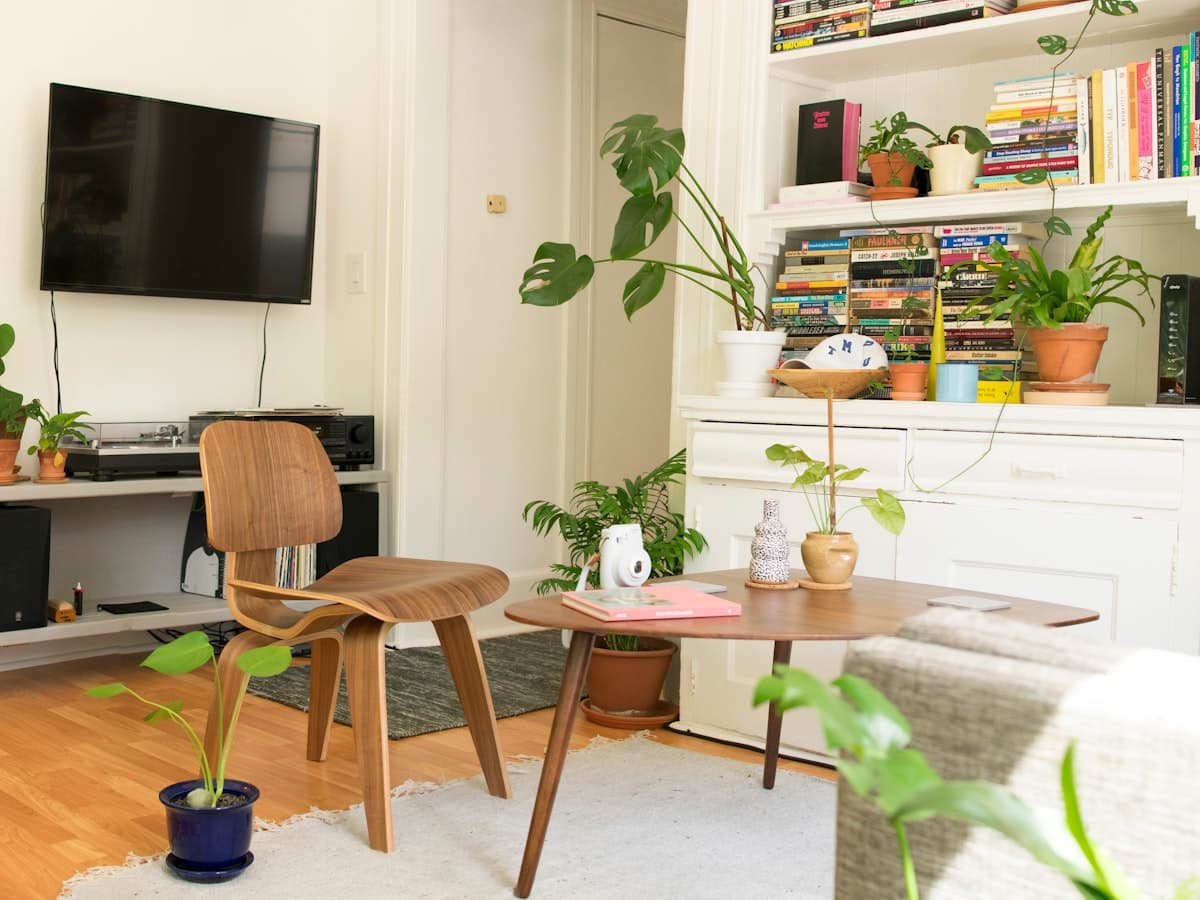
- 01Use What You Already HaveBefore buying new storage, look at whether existing furniture can store or organize the things you already own.
- 02Hide Everyday ClutterClosed storage can keep frequently used rooms looking calmer without forcing you to constantly tidy everything away.
- 03Use Unused SpaceConsider corners, vertical walls and the space beneath suitable furniture when looking for additional storage.
- 04Store by FrequencyKeep everyday items within easy reach and move less frequently used items into less accessible storage.
RoomMinded Tip
Before adding another storage unit, look around the room for the things that are creating the most visual clutter. Solve that specific problem first.Explore Storage Ideas
04 · Light the Room Well
Let Good Lighting
Set the Mood.
Lighting can completely change how a living room feels throughout the day. A room that feels bright and open in the afternoon can feel flat or uncomfortable once the natural light disappears.
Instead of relying on one central light, build layers that work for different moments. Use natural daylight where possible, then combine ambient, task and accent lighting to create a room that feels comfortable after dark.
The goal is not to make every corner equally bright. It is to give different parts of the room the right amount of light for how they are used.
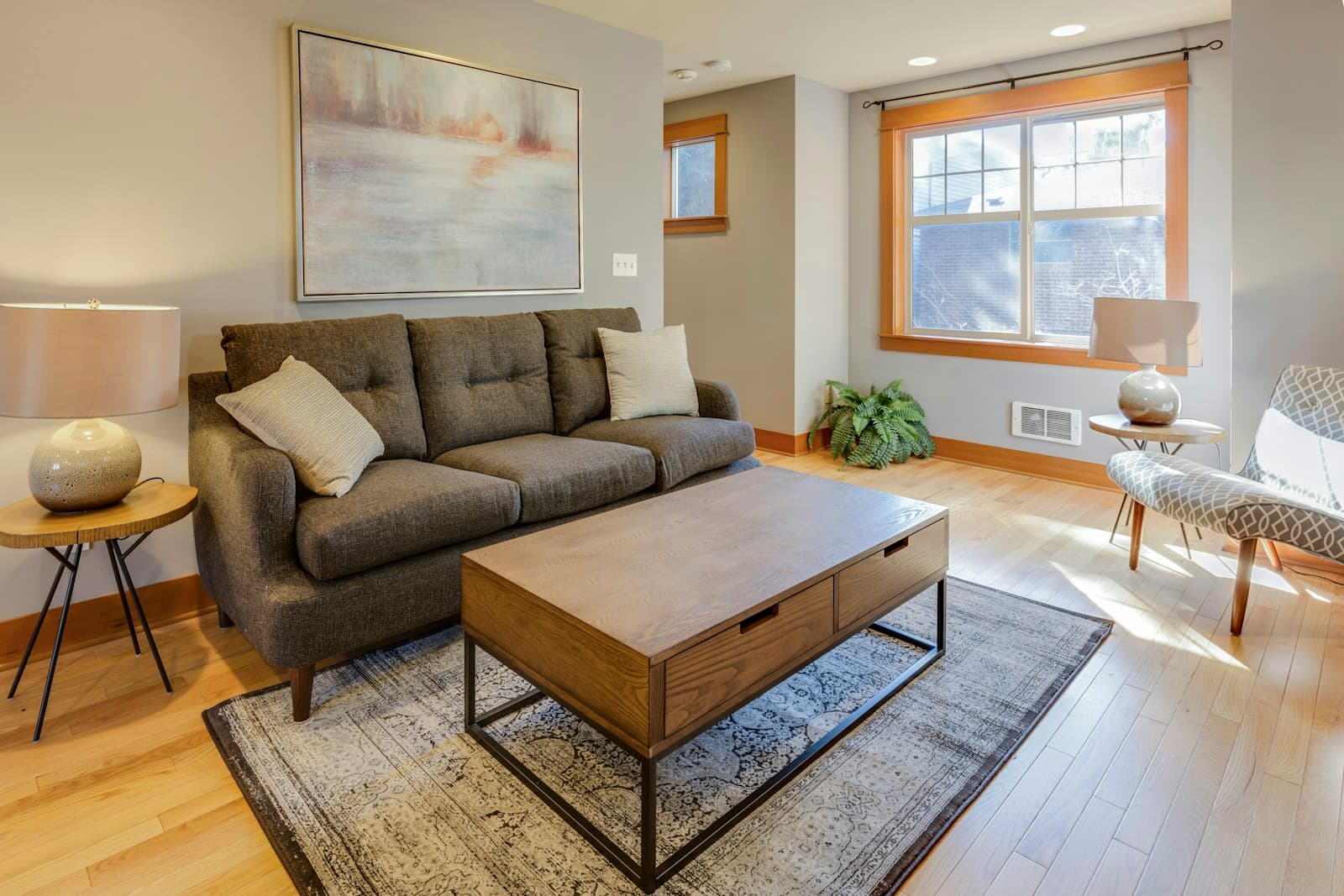
- 01Make the Most of DaylightKeep windows as open as practical and avoid placing bulky furniture where it unnecessarily blocks natural light.
- 02Layer Your LightingCombine general, task and accent lighting instead of depending on a single ceiling fixture.
- 03Light the CornersA floor lamp or small table lamp can make darker parts of the room feel more balanced and inviting.
- 04Match Light to the ActivityUse brighter focused light for reading or working and softer light for relaxing and entertaining.
RoomMinded Tip
Before buying another lamp, notice which part of the room feels uncomfortable after dark. Lighting the problem area is usually more effective than simply adding more light everywhere.Explore Lighting Ideas
05 · Make Comfort the Priority
Make the Room
Feel Good to Live In.
A living room can look beautifully considered and still be uncomfortable if the seating, proportions or everyday details do not work for the people using it.
Start with how you want the room to feel. Think about where you relax, where you read, where people gather and what you need close at hand. Comfort comes from making those everyday moments easy.
Choose materials, seating and small details that support real life rather than designing the room purely around how it looks in a photograph.
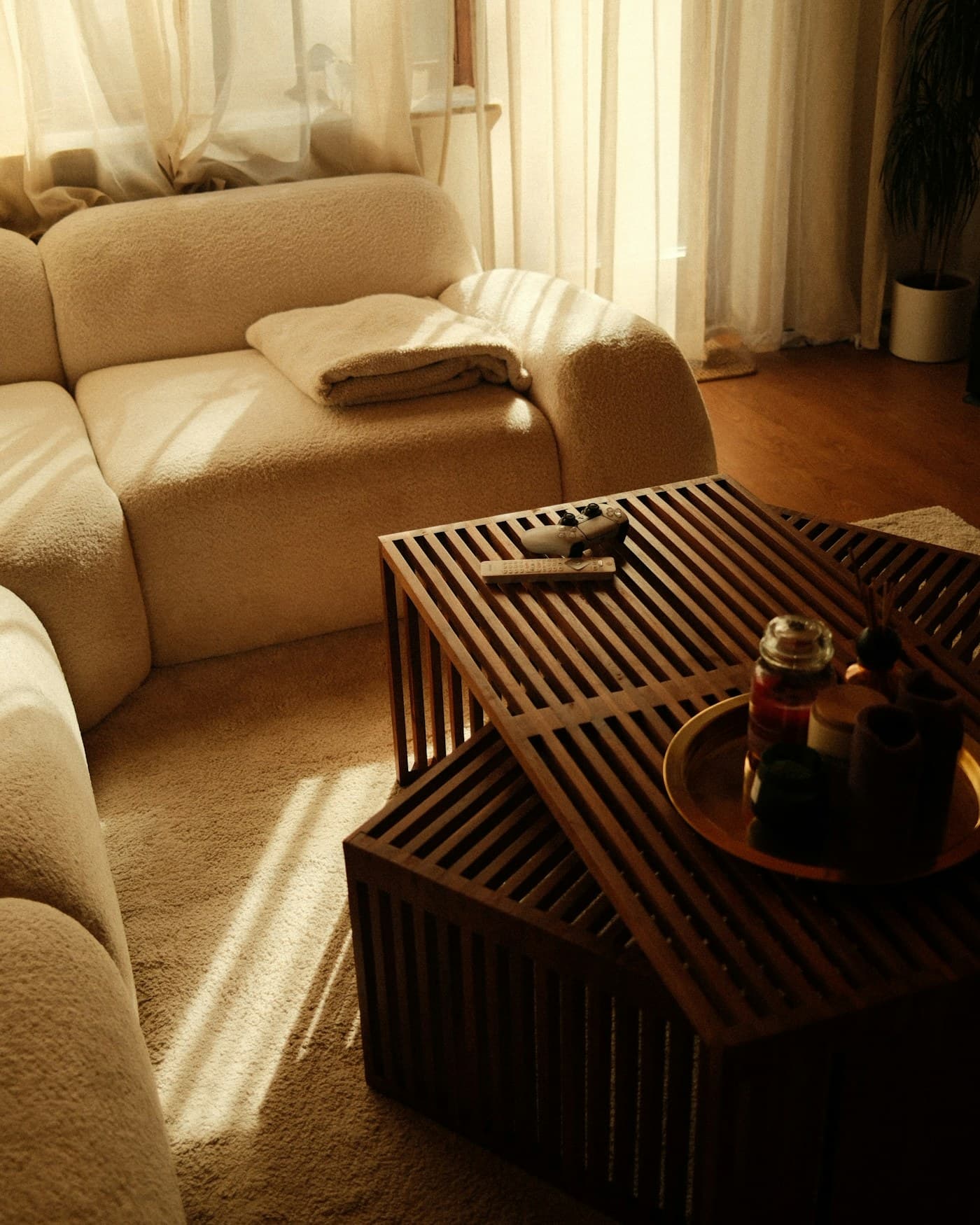
- 01Choose Seating for Real LifeThink about how many people regularly use the room and choose seating that supports those routines.
- 02Keep Everyday Items CloseSide tables, baskets and small surfaces can make relaxing easier without adding unnecessary furniture.
- 03Balance Softness and FunctionUse cushions, rugs and textiles to add comfort while choosing materials that are practical for everyday use.
- 04Leave Room to RelaxDo not fill every available area. Comfortable rooms need enough open space to move, sit and breathe.
RoomMinded Tip
A comfortable living room does not need more furniture. Often the biggest improvement comes from giving the pieces you already have enough space to work properly.Read More on Choosing Furniture for Everyday Comfort
06 · Bring the Room Together
Finish With
What You Actually Need.
Once the layout, furniture, storage and lighting are working well, the final details should support the room rather than compete with it.
Choose a few things that make the space feel personal and useful: artwork that you enjoy looking at, a rug that defines the seating area, a plant that brings some life into the room or a small table that solves an everyday need.
The goal is not to fill every empty surface. A well-designed living room has enough personality to feel like home while still leaving space for everyday life.
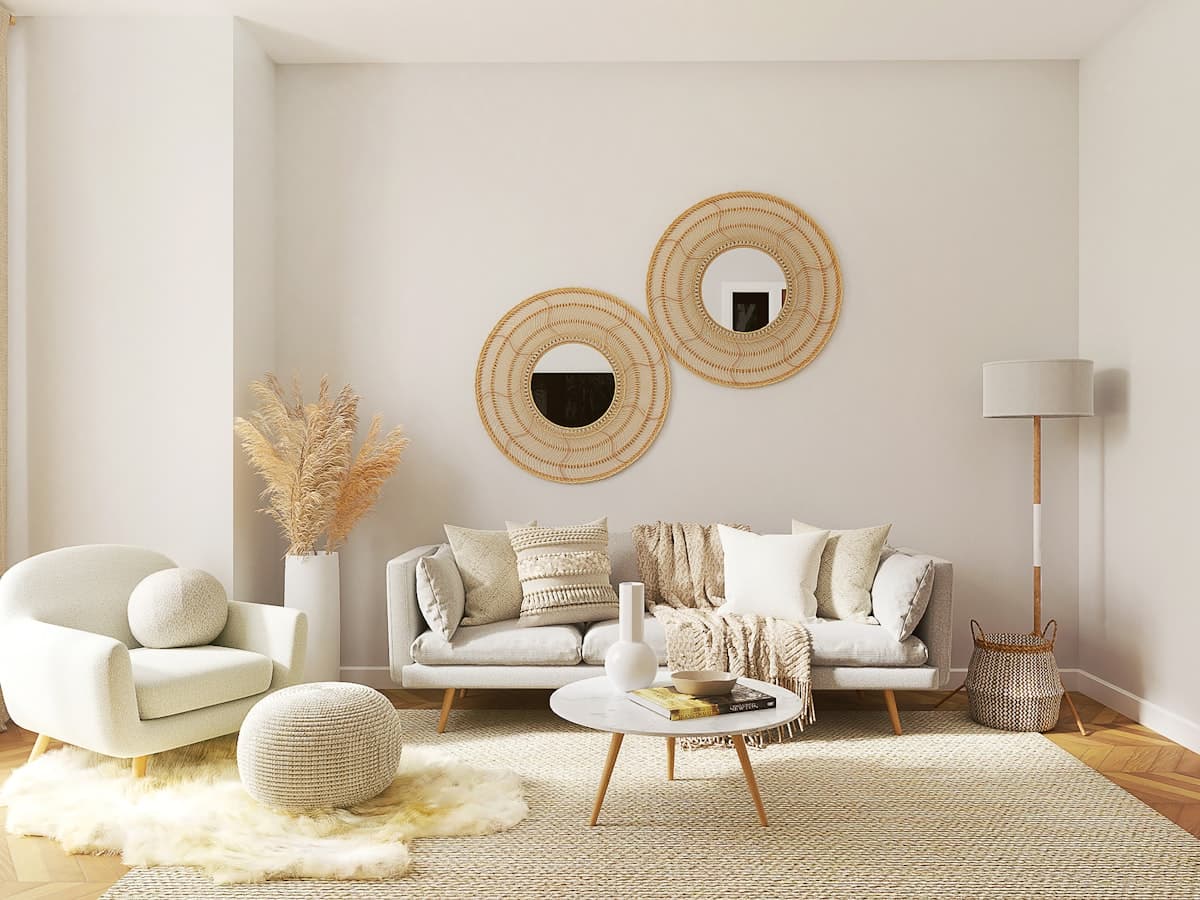
- 01Add PersonalityChoose a few meaningful pieces rather than decorating every surface.
- 02Define the Seating AreaA rug can visually connect furniture and make the main seating area feel intentional.
- 03Keep Surfaces UsefulLeave enough clear surface space for the things you actually use.
- 04Edit Before You AddIf the room starts to feel crowded, remove something before adding another decorative piece.
RoomMinded Tip
Once the room feels comfortable and functional, stop adding things. Leaving some space empty is part of good design too.
Ready to Make It Your Own?
Explore a few thoughtfully chosen living room pieces that can help put these ideas into practice.
Explore Living Room PicksRoomMinded Picks
Useful Pieces
for a Better Living Room.
A considered selection of furniture, lighting, storage and finishing pieces that can help make your living room more comfortable, functional and easier to live in.

FLEXIBLE FURNITURE
Nest of Tables
Flexible extra surface space that separates when you need it — for guests, drinks or a lamp — and tucks away again once the room needs to feel open.
$XX
View Product
LIGHTING
Adjustable Floor Lamp
Adds another layer of ambient and task light for evenings and reading, so the room isn't relying on a single overhead fixture.
$XX
View Product
TABLE LIGHTING
Recycled Glass Table Lamp
A warm, ambient light for a console table or sideboard, with a mottled recycled-glass base that adds texture alongside the light.
$XX
View Product
WALL-MOUNTED STORAGE
Floating Shelves, Set of 4
Wall-mounted shelves for books and decor that keep the console table clear without taking over a wall the way a full cabinet would.
$XX
View ProductRoomMinded may earn a commission when you purchase through links on this page, at no additional cost to you.
Explore All Living Room PicksKeep Exploring
More Ideas
for Better Spaces.
Continue exploring practical RoomMinded guides for furniture, storage, lighting and making the most of the space you have.
Living Room
Small Living Room Layout Ideas for Better Everyday Flow
Practical layout ideas for a small living room — choosing a seating arrangement that fits how you actually use the room, and keeping traffic paths open.
Read GuideSmall Spaces
How to Make a Small Room Feel Bigger
Discover practical small room ideas for better layouts, space-saving furniture, smarter storage and lighting that can make your home feel more open and comfortable.
Read Guide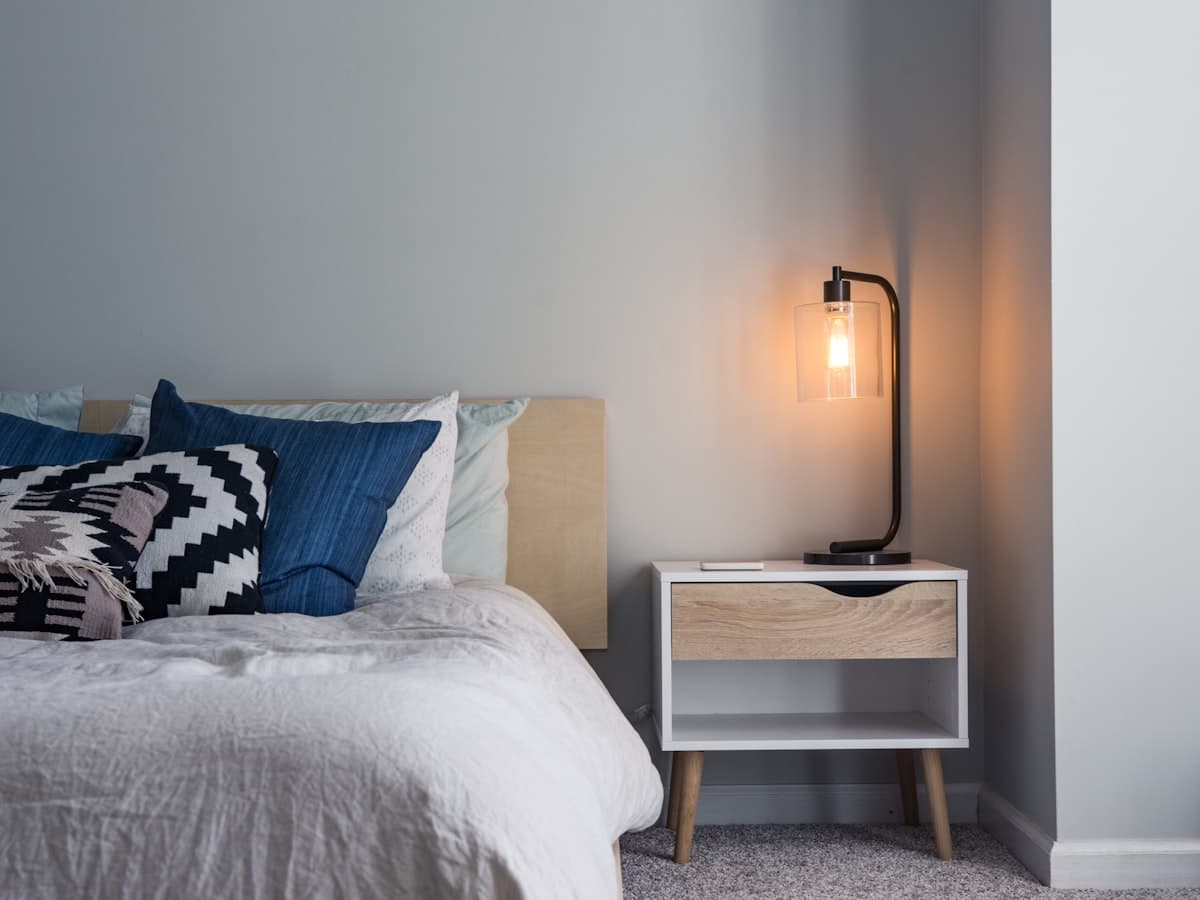
Better Lighting
Lighting Ideas for a Small Apartment
A practical, room-by-room approach to lighting a small apartment — layering natural, ambient, task and accent light so every room feels brighter without a renovation.
Read GuideGood to Know
Living Room
Questions, Answered.
A few practical answers to common questions about creating a living room that feels comfortable, functional and easy to live in.
Start with the main purpose of the room and identify the natural routes people use to move through it. Position the main seating first, then add tables and additional pieces while keeping comfortable walking space around them.
There is no fixed number of pieces. The right amount depends on the size of the room and how it is used. If furniture makes movement difficult or leaves no visual breathing room, it is probably doing too much.
Choose pieces that are appropriately scaled to the room and genuinely useful. Flexible furniture, compact seating and pieces with useful storage can help, but avoid adding multifunctional furniture simply for the sake of it.
Start by identifying what actually needs to be stored in the room. Use existing furniture, vertical space and closed storage where appropriate, and keep frequently used items easy to reach.
A combination of natural light and layered artificial lighting usually works better than relying on one central fixture. Combine ambient lighting with focused light for activities such as reading or working.
Start with seating, movement and the way you actually use the room. Then add practical details such as soft textiles, useful side tables and appropriate lighting without filling every available space.
Make Your Living Room Work for You
Create a Living Room
You Love to Live In.
Start with the way you use the room, then make thoughtful choices about layout, furniture, storage, lighting and the details that make the space feel like home.
Thoughtful spaces start with what matters most.