
Bedroom
A Bedroom
Made for Better Rest.
Create a bedroom that feels calm, comfortable and easy to live in — with practical ideas for layout, storage, furniture, lighting and everyday routines.
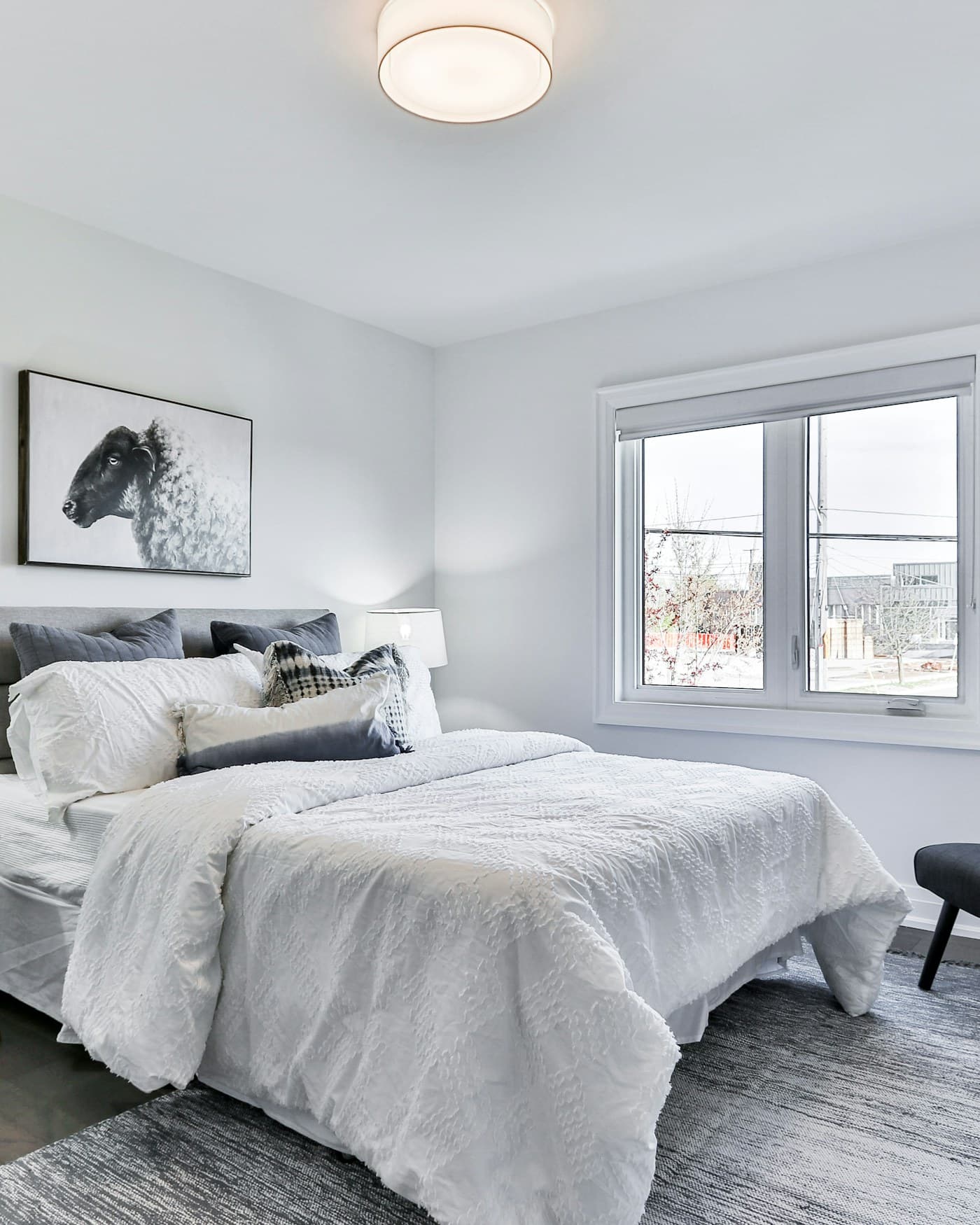 Room Guide
Why It Matters
A Bedroom
That Supports Rest.
A bedroom should feel comfortable first, but it also needs to work for the routines that happen there every day — getting ready, winding down and sleeping well.
Thoughtful choices in layout, furniture and storage can make the room easier to move through and easier to keep organized, without requiring more furniture or more effort.
The goal isn't a picture-perfect room. It's a bedroom that supports comfortable movement, restful sleep and everyday routines.
Comfortable Movement
Leave enough space around the bed and storage to move through the room with ease.
Restful Sleep
Choose a layout, lighting and bedding that genuinely support winding down and sleeping well.
Useful Storage
Keep clothing and everyday items organized without letting the room feel cluttered.
Practical Lighting
Layer natural and bedside lighting so the room works well morning and night.
01 · Get the Layout Right
Start With
Room to Move.
The most comfortable bedrooms are built around clear, comfortable movement, not just the bed itself.
Before choosing furniture, think about where the bed naturally belongs, the paths you use to reach the door, closet and windows, and how much space you need on each side to get in and out comfortably.
A well-planned layout makes the room easier to live in every day, not just easier to look at.
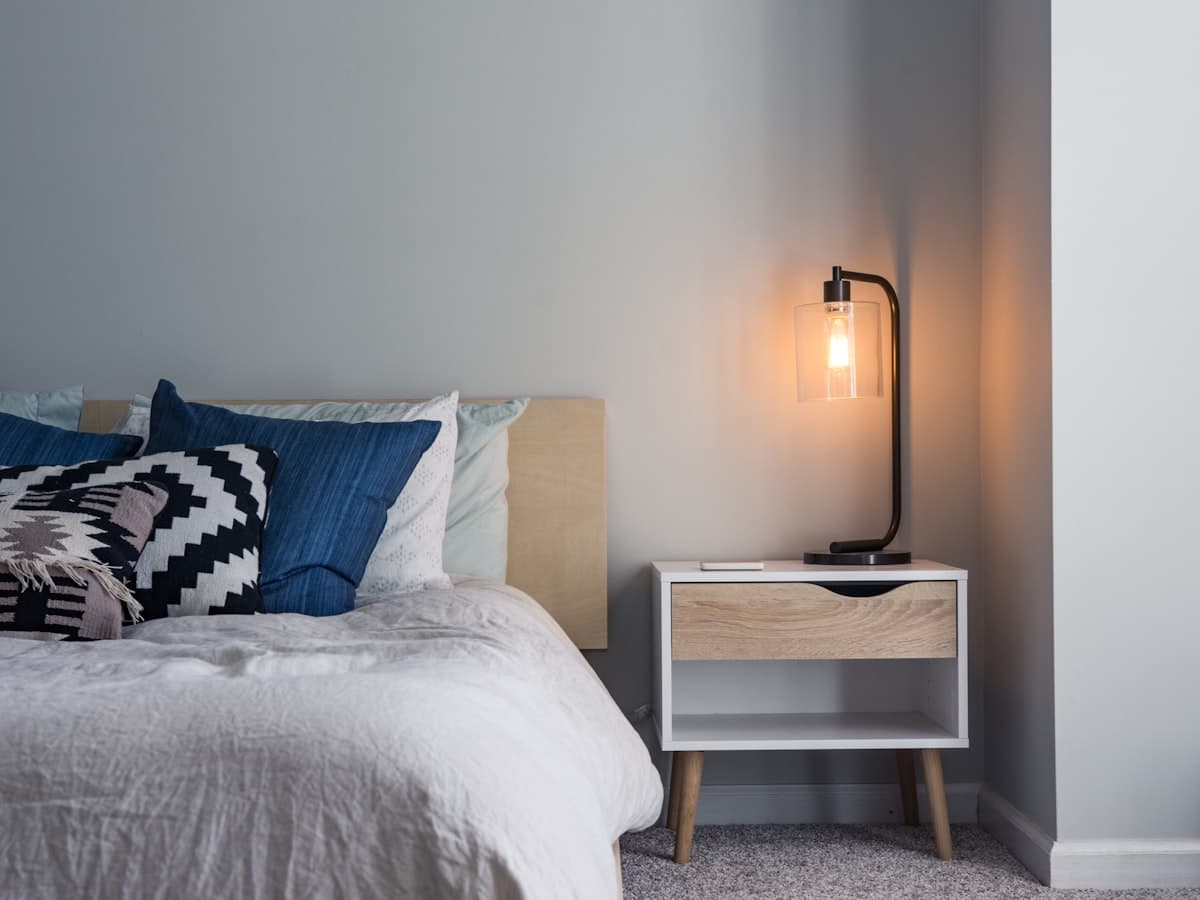
- 01Give the Bed PriorityPosition the bed first, away from direct drafts and the door swing, then plan everything else around it.
- 02Keep Walking Routes ClearLeave enough space around the bed and along main paths so the room never feels tight to move through.
- 03Balance Both SidesWhere space allows, leave comfortable room on each side of the bed for getting in and out.
- 04Test the ArrangementBefore adding new furniture, try the current layout a few different ways to see what already works.
RoomMinded Tip
Before rearranging furniture, walk the everyday route from your bed to the door, closet and light switch. If it feels tight, that's the first thing to fix.
02 · Choose Furniture That Fits
Choose Furniture
That Fits the Room.
Bedroom furniture works best when it is sized to the room, not simply chosen for style.
A bed that is too large for the space can make everyday movement difficult, while bedside tables, wardrobes and drawers that are out of scale can quickly make even a generously sized bedroom feel cramped.
Before buying anything new, it helps to measure the room and think about proportion first. The right scale matters more than the style.
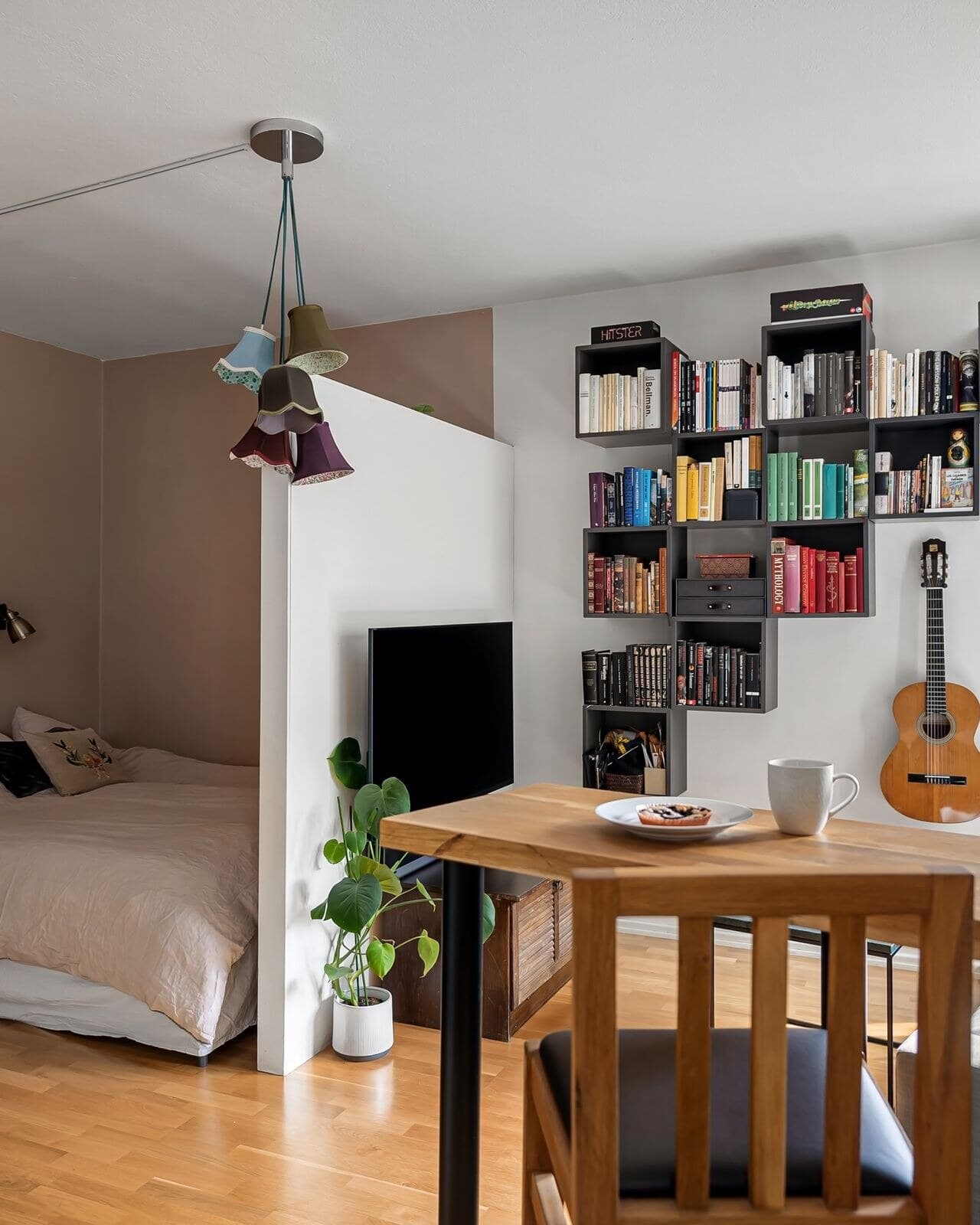
- 01Measure the Room FirstCheck the available width and length before choosing a bed size or additional furniture.
- 02Choose Bedside Tables to ScaleA nightstand should be useful without overwhelming the space beside the bed.
- 03Be Selective With Storage FurnitureChoose a wardrobe or drawers that match what you actually need to store.
- 04Avoid Oversized PiecesA slightly smaller, well-chosen piece is often more comfortable to live with than an oversized one.
RoomMinded Tip
If a piece of furniture makes it hard to open a drawer or walk around the bed, it's too large for the room — regardless of how it looks in a showroom.
03 · Make Storage Work Harder
Give Everything
a Place to Go.
A bedroom has to store more than it shows — clothing, bedding and everyday items — while still feeling calm.
Good bedroom storage keeps these things organized and out of sight without requiring constant tidying. Look at wardrobe organization, under-bed storage where appropriate, and simple bedside storage before adding more furniture.
The goal isn't to store everything perfectly. It's to reduce the visible clutter that makes a bedroom feel unfinished.
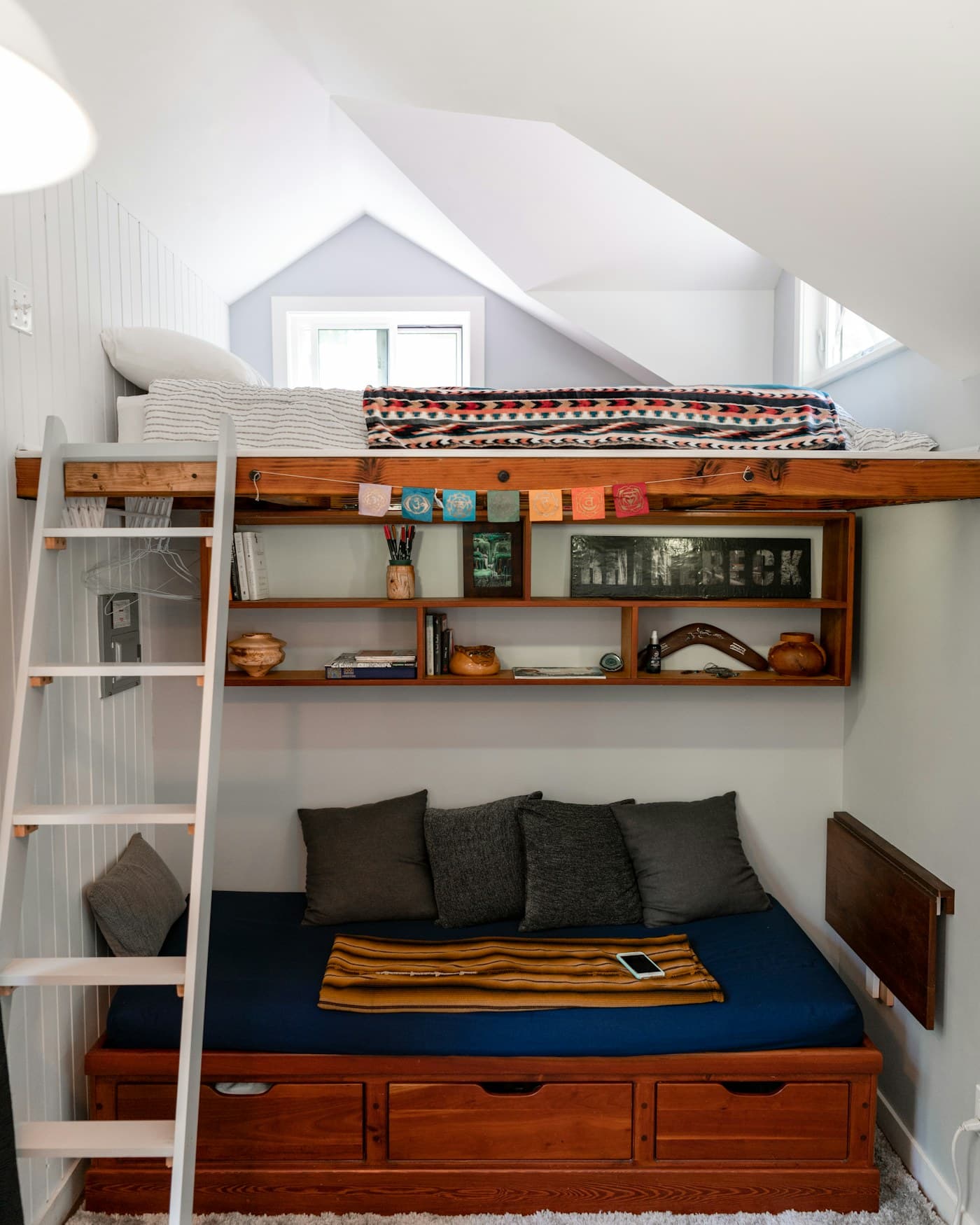
- 01Organize the Wardrobe FirstA well-organized wardrobe often solves more storage problems than a new piece of furniture.
- 02Use the Space Under the BedWhere appropriate, under-bed storage can hold out-of-season items without taking up floor space.
- 03Keep Bedside Storage SimpleA drawer or small basket can hold everyday essentials without cluttering the nightstand.
- 04Reduce What's on DisplayStore loose items out of sight to help the room feel calmer at a glance.
RoomMinded Tip
Before adding a new storage piece, sort what's already in the wardrobe. Removing what you don't wear often frees up more space than another shelf will.Explore Storage Ideas
04 · Use Lighting to Support Rest
Let Lighting
Support Better Rest.
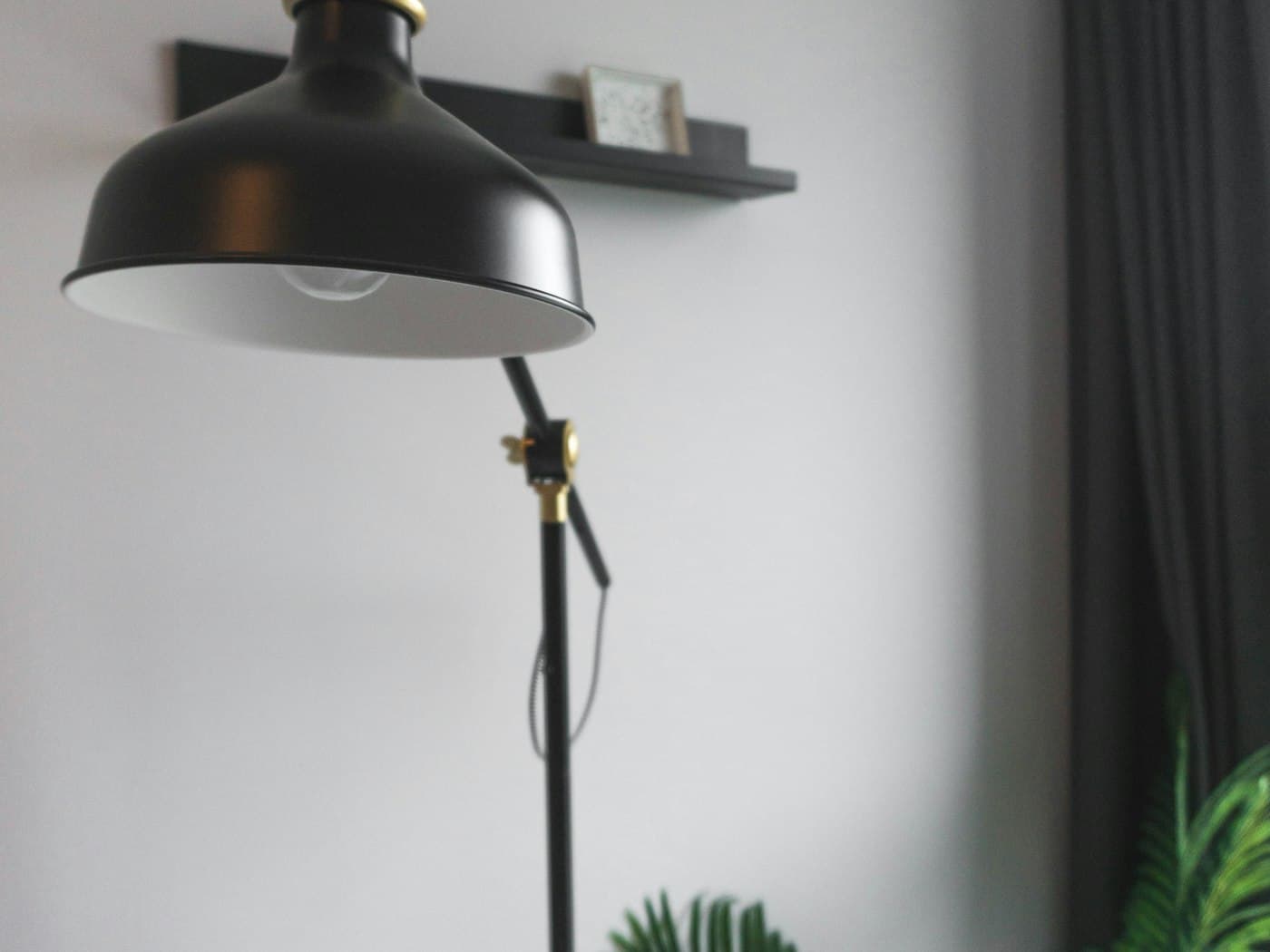
Lighting plays a bigger role in how restful a bedroom feels than most people realize.
Make the most of natural light during the day, then layer in bedside and ambient lighting for evenings. Avoid harsh, bright overhead light in the hour before bed — softer, warmer light supports winding down.
The goal is a bedroom that feels bright and functional in the morning and calm in the evening.
- 01Make the Most of DaylightKeep windows unobstructed where possible to bring natural light into the room during the day.
- 02Add a Bedside LampA lamp within reach of the bed makes reading and winding down easier without a bright overhead light.
- 03Layer Ambient and Task LightCombine a few softer light sources rather than relying on one central fixture.
- 04Dim Things Down Before BedSofter, warmer light in the evening can make it easier to relax and fall asleep.
RoomMinded Tip
Swap the bright overhead light for a bedside lamp in the hour before bed. It's a small change that can make winding down noticeably easier.Explore Lighting Ideas
05 · Make Comfort the Priority
Make the Room
Comfortable to Live In.
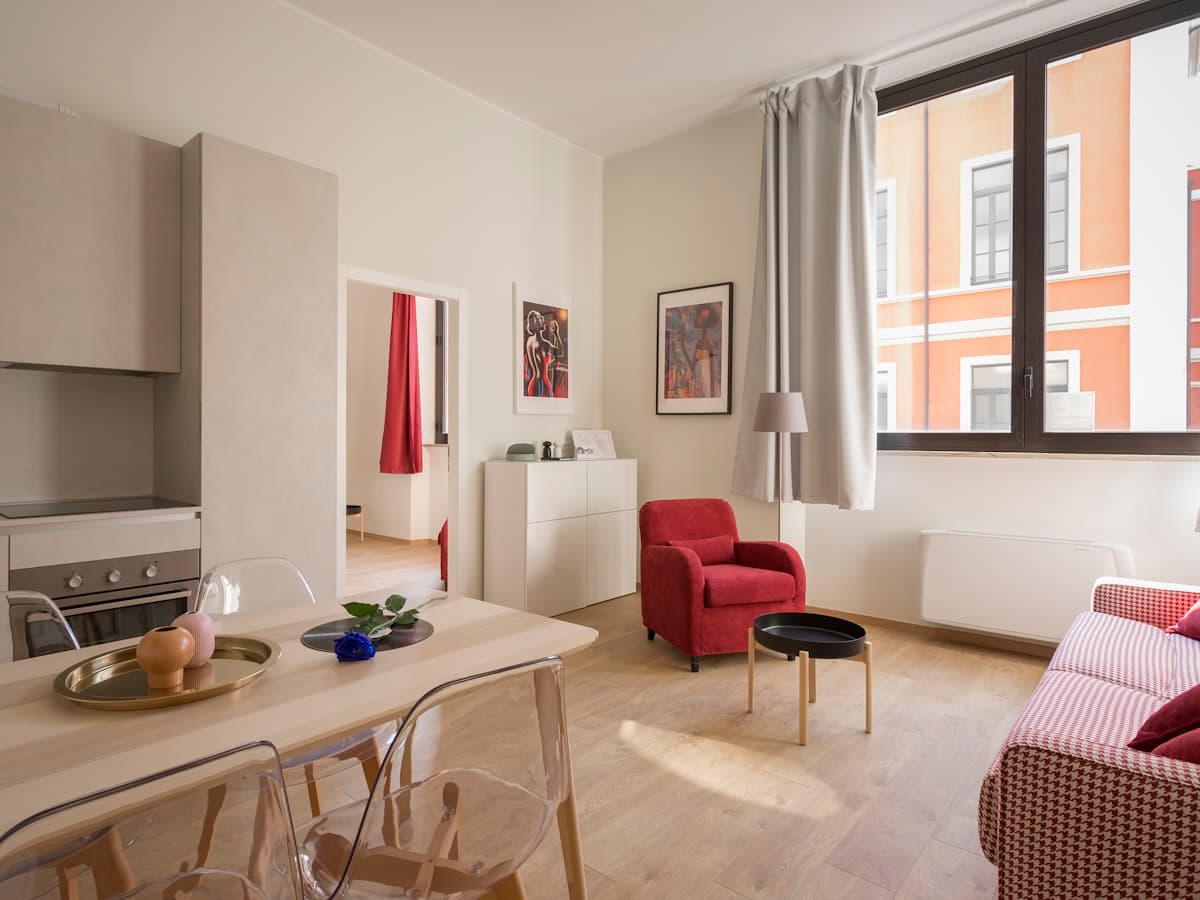
A bedroom can look put together and still not feel comfortable if the basics aren't right.
Start with the mattress and bedding, since they affect sleep more than almost anything else in the room. Then think about temperature, texture and the small bedside essentials that make everyday routines easier.
Comfort here isn't about adding more — it's about making sure what's already in the room actually works for how you sleep and start your day.
- 01Prioritize the Mattress and BeddingThese have the biggest impact on how comfortable and rested you feel.
- 02Consider TemperatureBreathable bedding and materials can make a real difference to sleep quality.
- 03Keep Essentials Within ReachA glass of water, a charger or a book stored bedside can make everyday routines easier.
- 04Layer in Soft TextilesCushions, throws and rugs add comfort without requiring more furniture.
RoomMinded Tip
If you only make one change this month, start with the mattress or bedding — it has more impact on comfort than almost anything else in the room.
06 · Keep the Room Calm
Finish With
a Calmer Room.
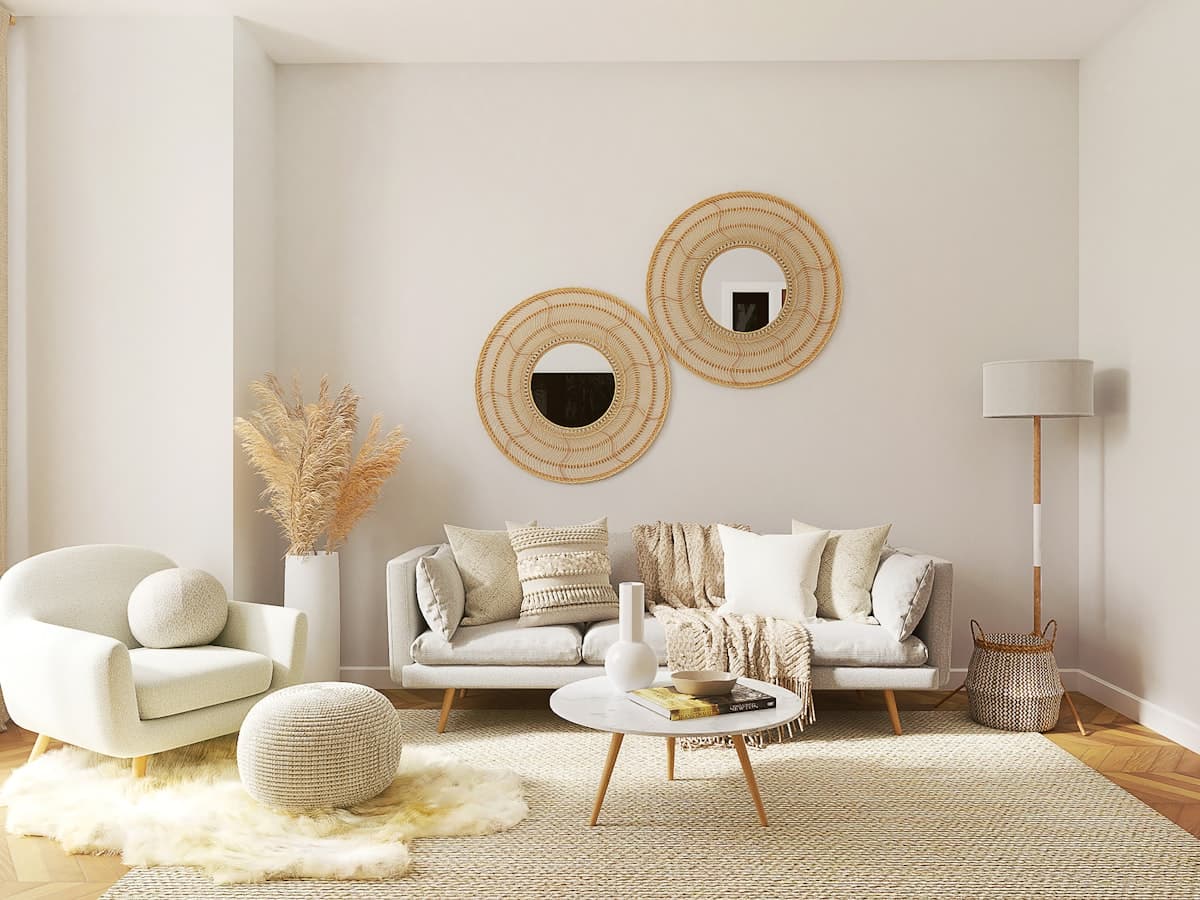
Once the layout, furniture, storage and lighting are working well, the last step is restraint.
Choose a few useful, meaningful objects rather than decorating every surface. Cohesive materials and colors, combined with reduced visual clutter, help a bedroom feel genuinely restful.
A calm bedroom isn't an empty one — it's one where everything in the room has a reason to be there.
- 01Edit Before You DecorateRemove what you don't need before adding anything new.
- 02Choose Cohesive MaterialsA limited palette of colors and materials can make a room feel more restful.
- 03Keep Surfaces ClearLeave nightstands and dressers mostly clear for a calmer first impression.
- 04Add Only What You UseDecorative objects should be meaningful or useful — ideally both.
RoomMinded Tip
A calm bedroom usually has less in it, not more. Once the room feels functional, resist the urge to keep adding.
Ready to Make It Your Own?
Explore a few thoughtfully chosen bedroom pieces that can help put these ideas into practice.
Explore Bedroom PicksRoomMinded Picks
Useful Pieces
for a Better Bedroom.
A considered selection of lighting, storage and bedside pieces that can help make your bedroom calmer, more comfortable and easier to live in.

BEDSIDE LIGHTING
Recycled Glass Table Lamp
A soft, warm-glow lamp for the nightstand — good for reading and winding down, so the room isn't relying on a single bright overhead fixture.
$XX
View Product
READING LIGHT
Adjustable Floor Lamp
A height-adjustable floor lamp that works as a reading light beside a chair or bed without needing its own side table.
$XX
View Product
STORAGE
Stackable Storage Basket
A stackable basket with a clip-on lid that keeps folded clothing and everyday items organized inside a wardrobe or on open shelving.
$XX
View Product
WALL-MOUNTED STORAGE
Floating Shelves, Set of 4
Wall-mounted shelves that give books, decor or everyday items a place to go, without using any floor space beside the bed.
$XX
View ProductRoomMinded may earn a commission when you purchase through links on this page, at no additional cost to you.
Explore All Bedroom PicksKeep Exploring
More Ideas
for a Better Bedroom.
Continue exploring practical RoomMinded guides for layout, storage, lighting and creating a calmer home.

Bedroom
Bedroom Organization Ideas That Actually Work
Practical, low-effort ways to organize a bedroom — from the closet to the nightstand — so tidying up stays easy instead of becoming a weekend project.
Read Guide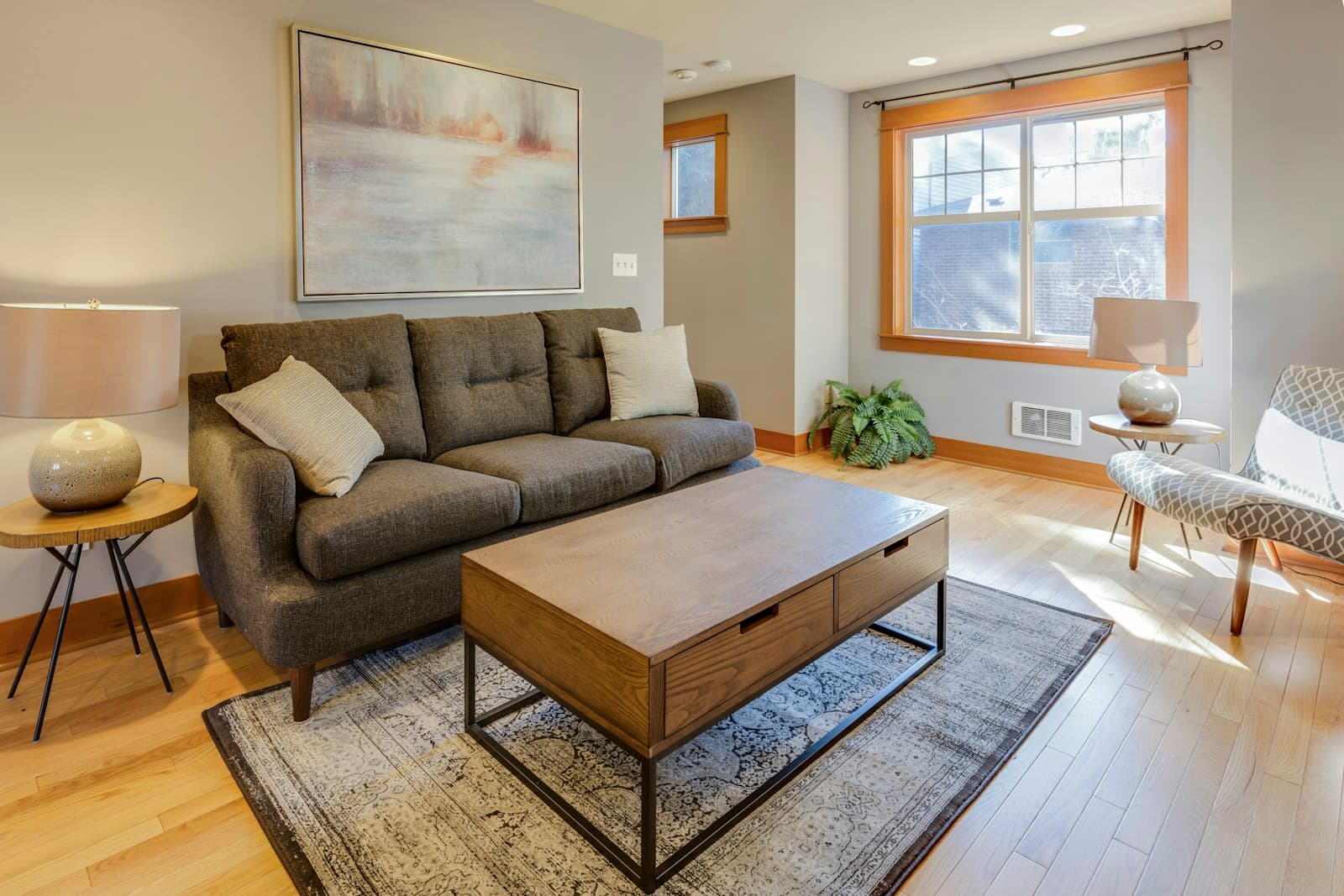
Small Spaces
How to Make a Small Room Feel Bigger
Discover practical small room ideas for better layouts, space-saving furniture, smarter storage and lighting that can make your home feel more open and comfortable.
Read GuideBetter Lighting
Lighting Ideas for a Small Apartment
A practical, room-by-room approach to lighting a small apartment — layering natural, ambient, task and accent light so every room feels brighter without a renovation.
Read GuideGood to Know
Bedroom
Questions, Answered.
A few practical answers to common questions about creating a bedroom that feels calm, comfortable and easy to live in.
Start by placing the bed away from the door swing and any drafts, then check that you have comfortable space to walk around it. Once the bed is placed well, arrange the remaining furniture around it.
There's no fixed number — the right amount depends on the size of the room and what you actually use. If furniture makes it hard to move or to open doors and drawers, it's probably too much for the space.
A well-organized wardrobe, under-bed storage where appropriate, and simple bedside storage usually work harder than adding another large piece of furniture.
A mix of natural daylight and layered evening lighting works best. A bedside lamp for reading and softer, warmer light in the evening can feel more restful than one bright overhead fixture.
Reduce what's on display, choose a cohesive palette of materials and colors, and keep only the objects that are genuinely useful or meaningful to you.
Start with the wardrobe and drawers, since these usually hold the most. Give everyday items a specific place to go, and store less frequently used things further out of reach.
Make Your Bedroom Work for You
Create a Bedroom
You Love to Come Home To.
Build around better rest, easier routines and the practical details that make the room feel comfortable every day.
Thoughtful spaces start with what matters most.