
Storage & Organization
A Place
for Everything.
Create storage systems that keep everyday essentials easy to find, easy to use and easier to put away — without letting clutter take over your home.
 Solution Guide
The Principle
More Than
a Place to Put Things.
Good storage isn't measured by how much of it you have. A house full of bins and baskets can still feel disorganized if items don't have a clear, consistent home — and a home with relatively little storage can feel calm and easy to live in if what's there is used well.
The goal is to store things near where they're actually used, keep frequently needed items within easy reach, and reduce how much is left sitting out on visible surfaces. Simple systems beat elaborate ones, because simple systems are the ones people actually keep up with.
None of this requires a renovation. It's a handful of decisions about where things go and how easy they are to put back — decisions that work the same way whether the room is small or spacious.
Accessibility
Keep the things you reach for daily close to where you actually use them.
Reduced Clutter
Give visible surfaces fewer things to compete for attention.
Simple Systems
Choose storage that's easy to understand at a glance, not just easy to fill.
Easy Maintenance
Build in a system that stays organized without constant upkeep.
01 · Start With What You Use Most
Store It
Where You Reach For It.
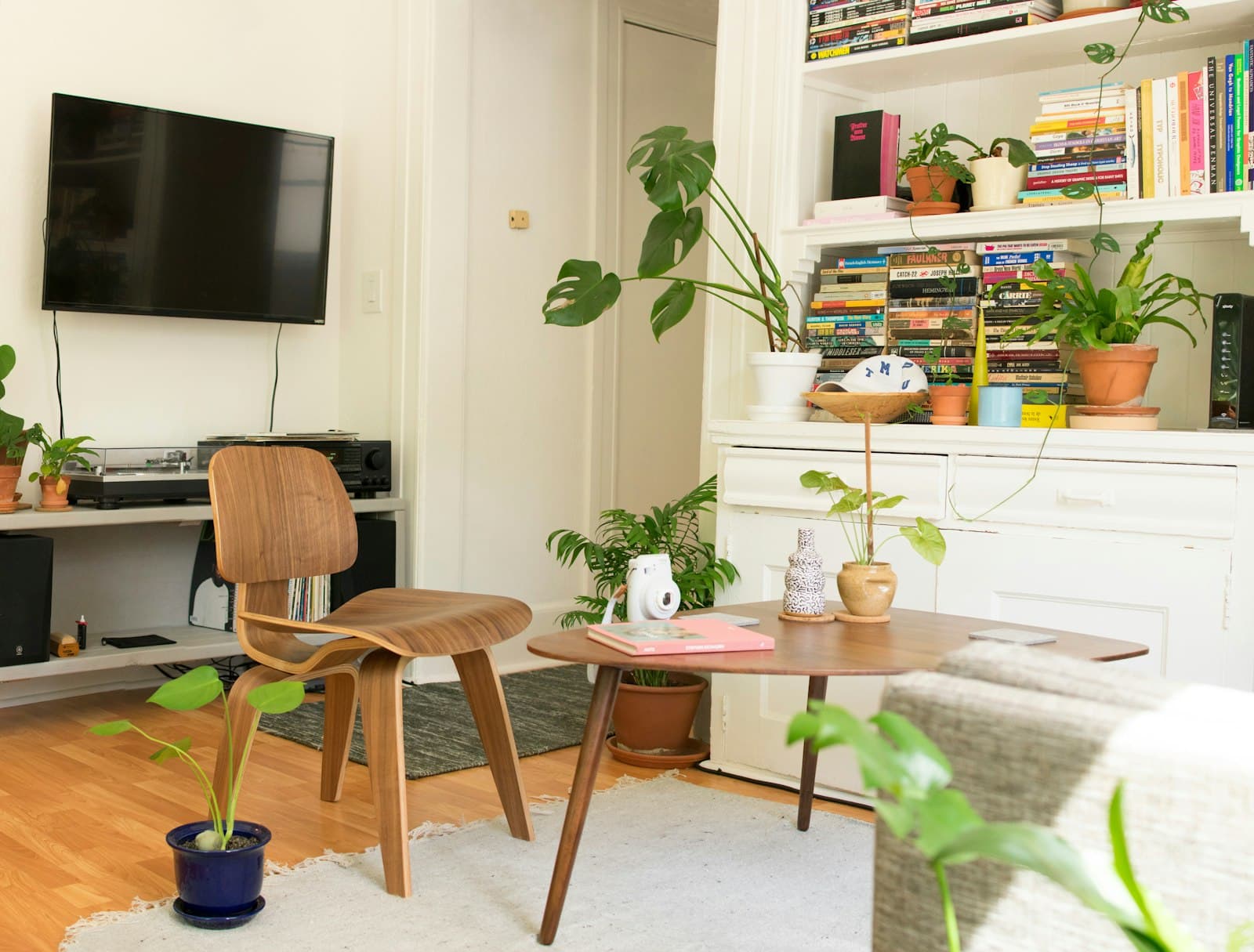
Before adding new storage, look at how you actually move through your day. The things you use most — keys, chargers, everyday dishware, morning essentials — should live exactly where you reach for them, not wherever there happened to be room.
Point-of-use storage is one of the simplest ways to make a home easier to live in. A shallow drawer by the door for keys and mail, a caddy under the sink for cleaning supplies, a shelf near the stove for daily cookware — each removes a small daily friction that adds up over a week.
The goal isn't to store everything close by. It's to be deliberate about which items earn that easy access, and let everything else move further away.
- 01Track What You Reach ForSpend a few days noticing which items you use daily versus occasionally — that split should drive where each one lives.
- 02Store Near the ActivityKeep supplies close to where they're actually used, like cleaning products near the sink rather than in a hallway closet.
- 03Reserve Prime Space for Daily ItemsThe most accessible shelf or drawer in a room should hold what you touch every day, not what you rarely open.
- 04Move Occasional Items Further AwaySeasonal or rarely used items can live in harder-to-reach storage without costing you anything day to day.
RoomMinded Tip
The easier something is to put back, the more likely it actually gets put back — storage that adds extra steps is usually the storage that stops getting used.
02 · Make Use of Vertical Space
Claim the Space
Above Eye Level.
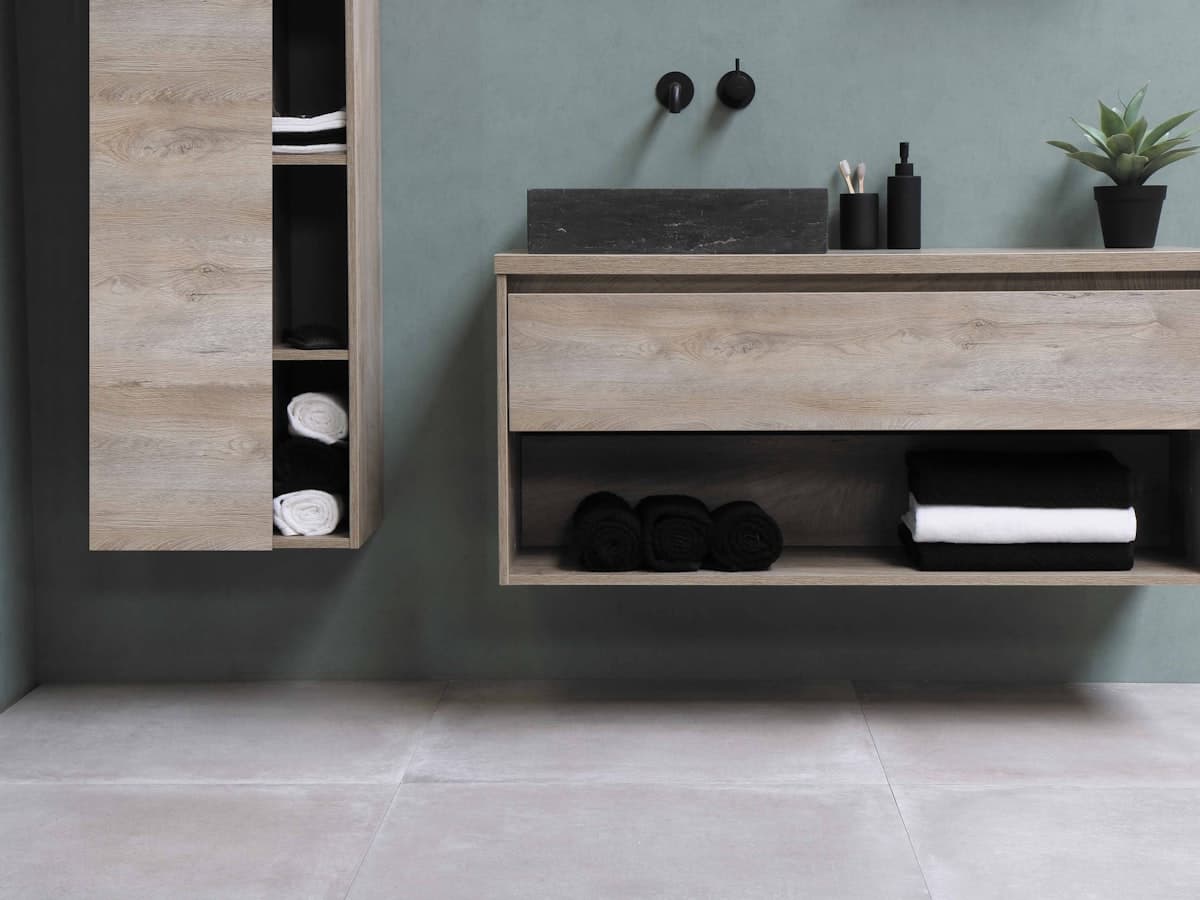
Floor space gets crowded fast, but most homes leave their walls almost entirely empty. Shelving, tall cabinets and a few well-placed hooks can add real storage capacity without taking up a single extra inch of floor.
The upper third of a room is the most commonly wasted storage opportunity in a home. A tall, narrow bookcase can hold as much as a low, wide one while leaving far more floor clear, and a row of hooks by the door can absorb coats and bags that would otherwise land on the nearest surface.
Vertical storage works best when it's used with intention. Reserve the top shelves for things you rarely need, keep the middle for everyday items, and avoid filling every wall edge to edge — a little breathing room keeps a space feeling organized rather than stacked.
- 01Favor Height Over FootprintA tall, narrow storage piece often holds more than a low, wide one — and leaves more floor clear around it.
- 02Add Wall-Mounted ShelvingShelves and wall-mounted units free up floor space while keeping items easy to see and reach.
- 03Use Hooks for Grab-and-Go ItemsCoats, bags and keys are easier to manage on a hook than searched for in a drawer each morning.
- 04Reserve High Shelves for Occasional ItemsThe hardest-to-reach storage is the right place for things you only need a few times a year.
RoomMinded Tip
A wall left empty is unused storage — in most rooms, adding shelving where none currently reaches does more than another piece of floor furniture ever could.See Vertical Storage in Practice
03 · Choose Storage That Fits the Way You Live
Match the Storage
to What It Holds.
Not every item needs to be hidden away, and not everything benefits from being on display. The right storage choice depends on what you're storing and how often you need to see or reach it.
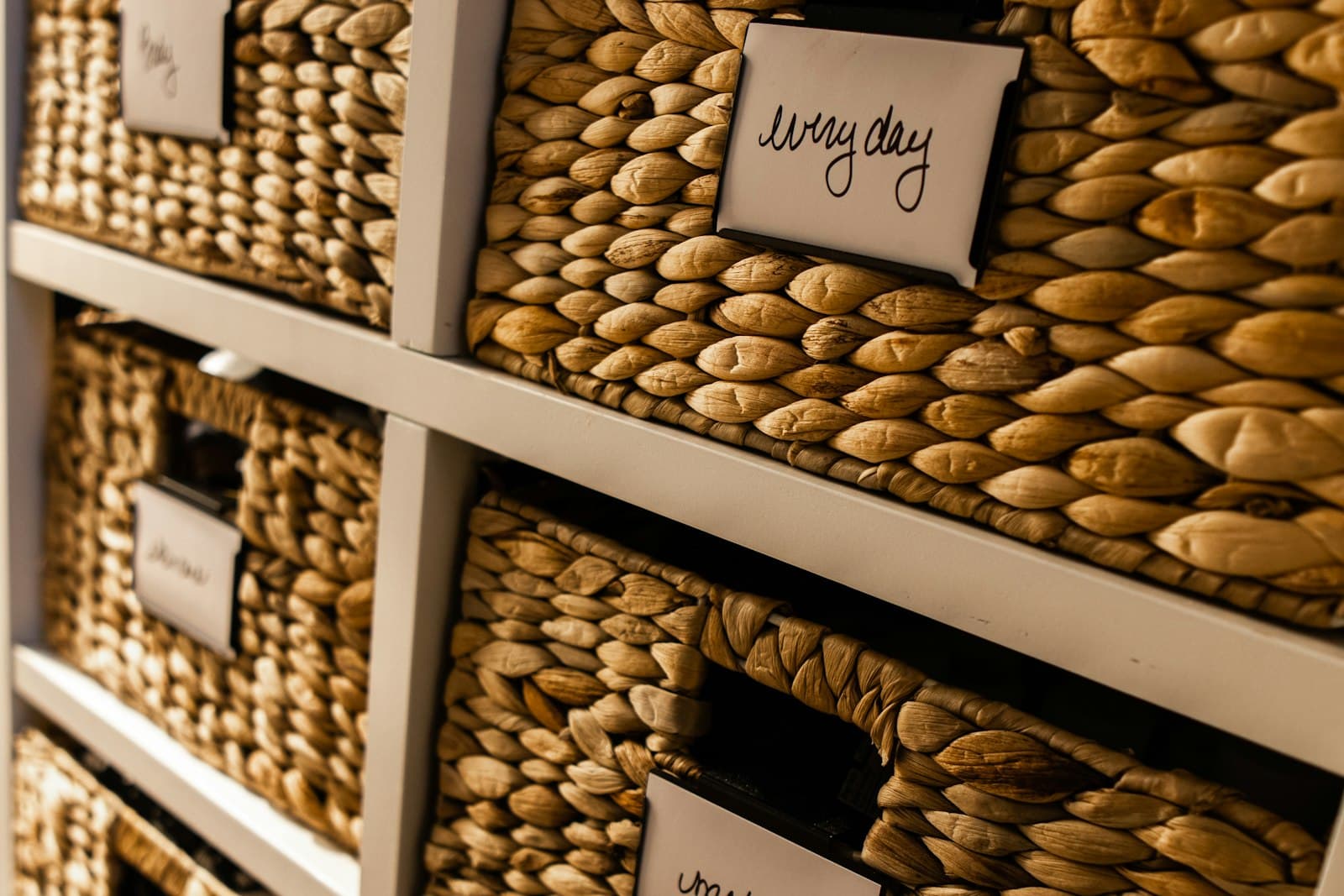
Open storage — shelving, hooks, glass-front cabinets — works well for items you use often or don't mind looking at: books, everyday dishware, folded towels. Closed storage — drawers, baskets, cabinets with doors — suits items that create visual noise when left out, like chargers, mail or miscellaneous supplies.
A mix of both is usually more practical than committing entirely to one. Use open storage for what earns its place on display, and let closed storage absorb everything else.
- 01Let Frequency Guide the ChoiceItems you use daily can stay open and visible; items you use occasionally are usually better closed away.
- 02Use Baskets for Loose ItemsA basket or bin can group small, irregular items that would otherwise clutter an open shelf.
- 03Reserve Drawers for What You Don't Want SeenDrawers suit items that are useful but not especially attractive — chargers, tools, miscellaneous supplies.
- 04Don't Default to Closed StorageHiding everything can make a home harder to use — some things are genuinely easier to manage in plain sight.
RoomMinded Tip
Open storage only stays tidy if what's on it is worth looking at — when in doubt, closed storage is more forgiving day to day.
04 · Let Furniture Do More
Let Furniture
Carry Its Weight.
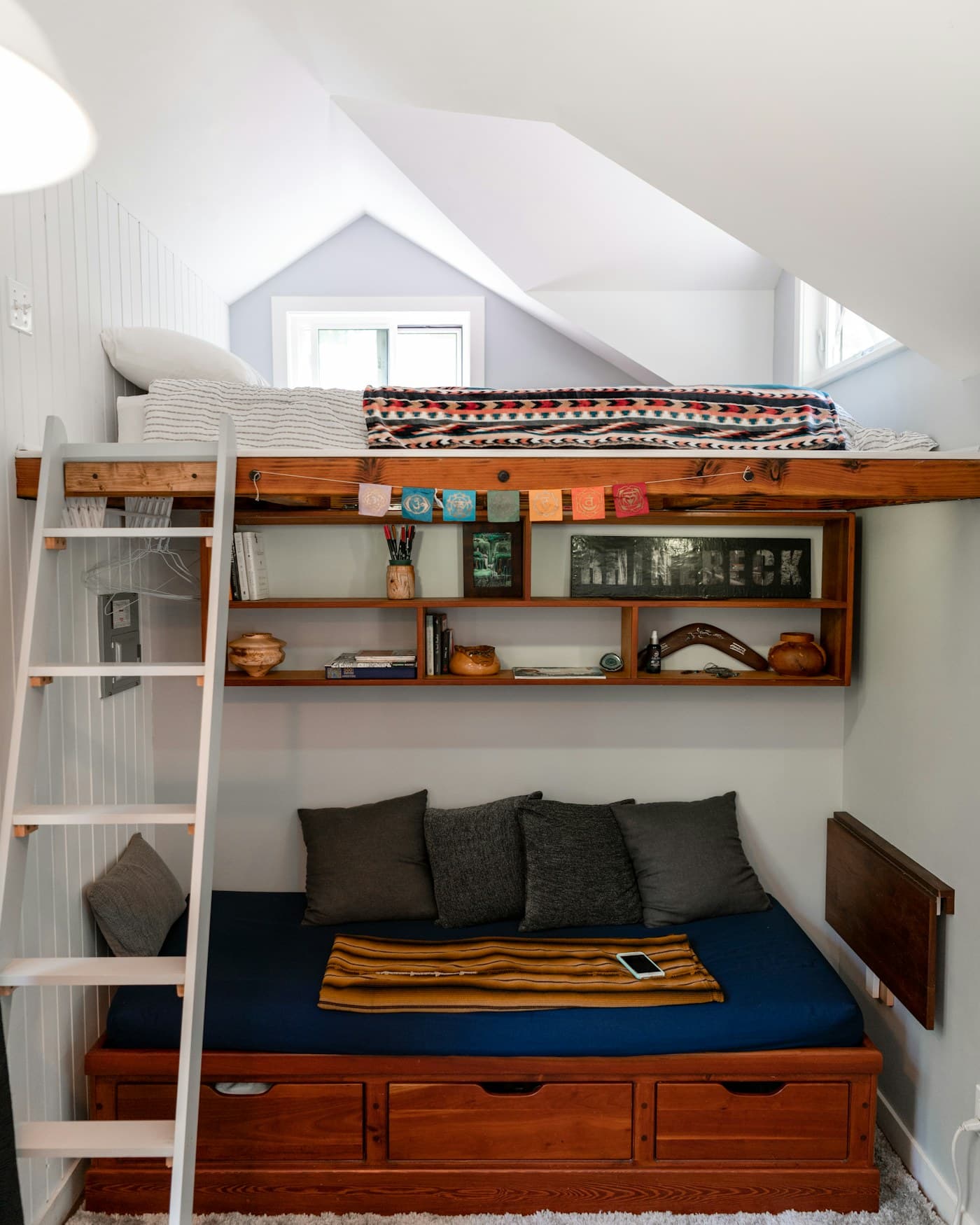
Furniture doesn't have to be purely decorative to earn its place in a room. A bed, bench or console that also holds storage can quietly absorb everyday items without adding another piece to the floor plan.
A storage bed with drawers underneath, an ottoman that opens to hold blankets, a console table with closed cabinets below — each does the job of two pieces of furniture in the footprint of one. This is especially useful in rooms with no spare closet or cabinet to add.
The best storage furniture disappears into the room. It should look and function like an ordinary piece first, with the extra storage as a quiet bonus rather than the main feature.
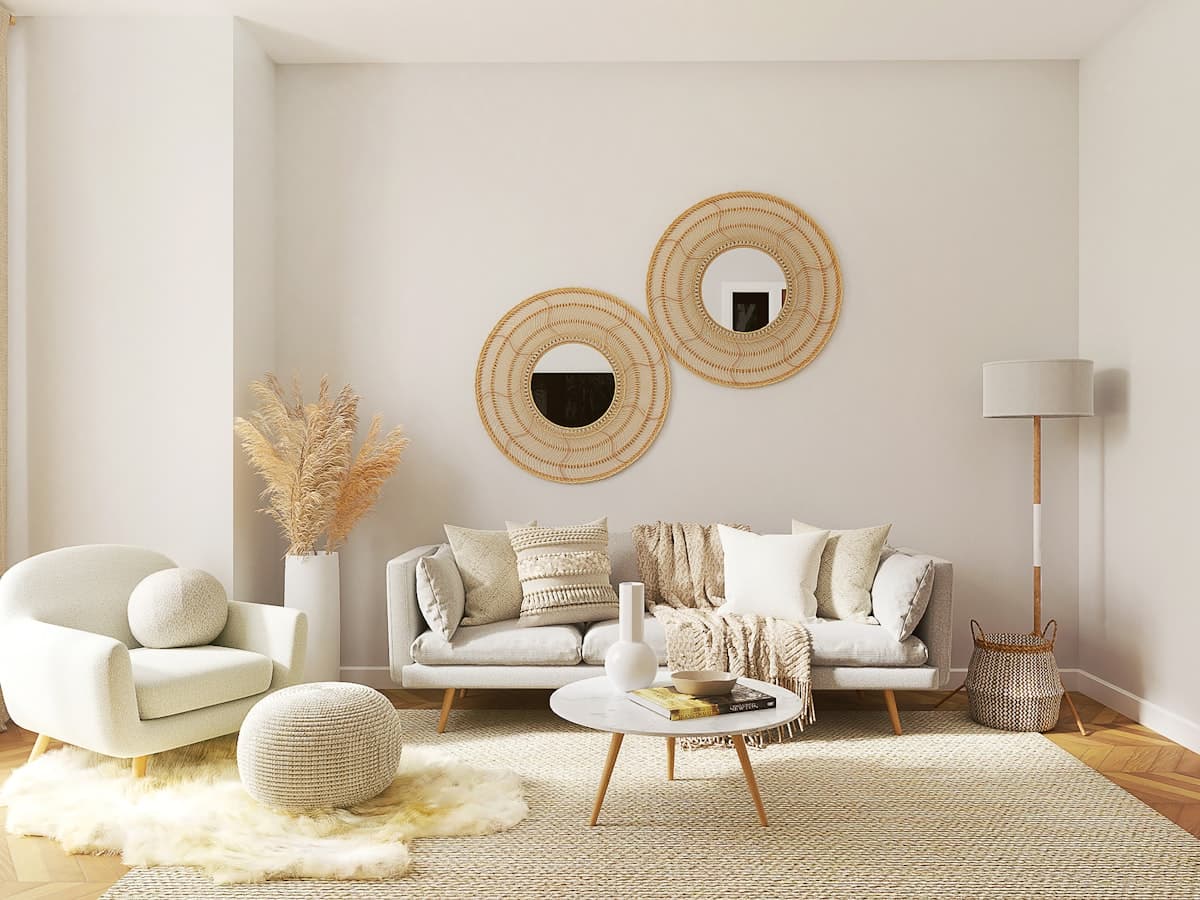
- 01Look for Furniture With a Second JobA bed, bench or ottoman with built-in storage does the work of two pieces without using more floor space.
- 02Use Under-Bed StorageThe space under a bed frame is often empty and easy to fit with drawers or storage boxes.
- 03Choose Consoles With Closed StorageA console table with cabinets or drawers can hold everyday items while still working as a surface.
- 04Prioritize Function You'll Actually UseA storage feature only helps if it's easy to open and close — awkward mechanisms usually stop getting used.
RoomMinded Tip
Storage furniture is only useful if it's as easy to open as a drawer — a lift-top or lid that's a hassle to access usually ends up ignored.
05 · Reduce Visual Clutter
Fewer Things
Fighting for Attention.
Clutter isn't really about the total number of things in a room — it's about how many of them are visible at any one time. A shelf of loose, unrelated objects reads as chaotic even if every item on it technically has a purpose.
The fix usually has less to do with storage capacity and more to do with editing. Deciding what actually deserves a spot on an open surface, and containing the rest, changes how a room reads far more than buying another organizer.
Treat visible surfaces as limited space rather than wherever things happen to land. When only a few, deliberate items are on display, the room reads as considered instead of crowded.
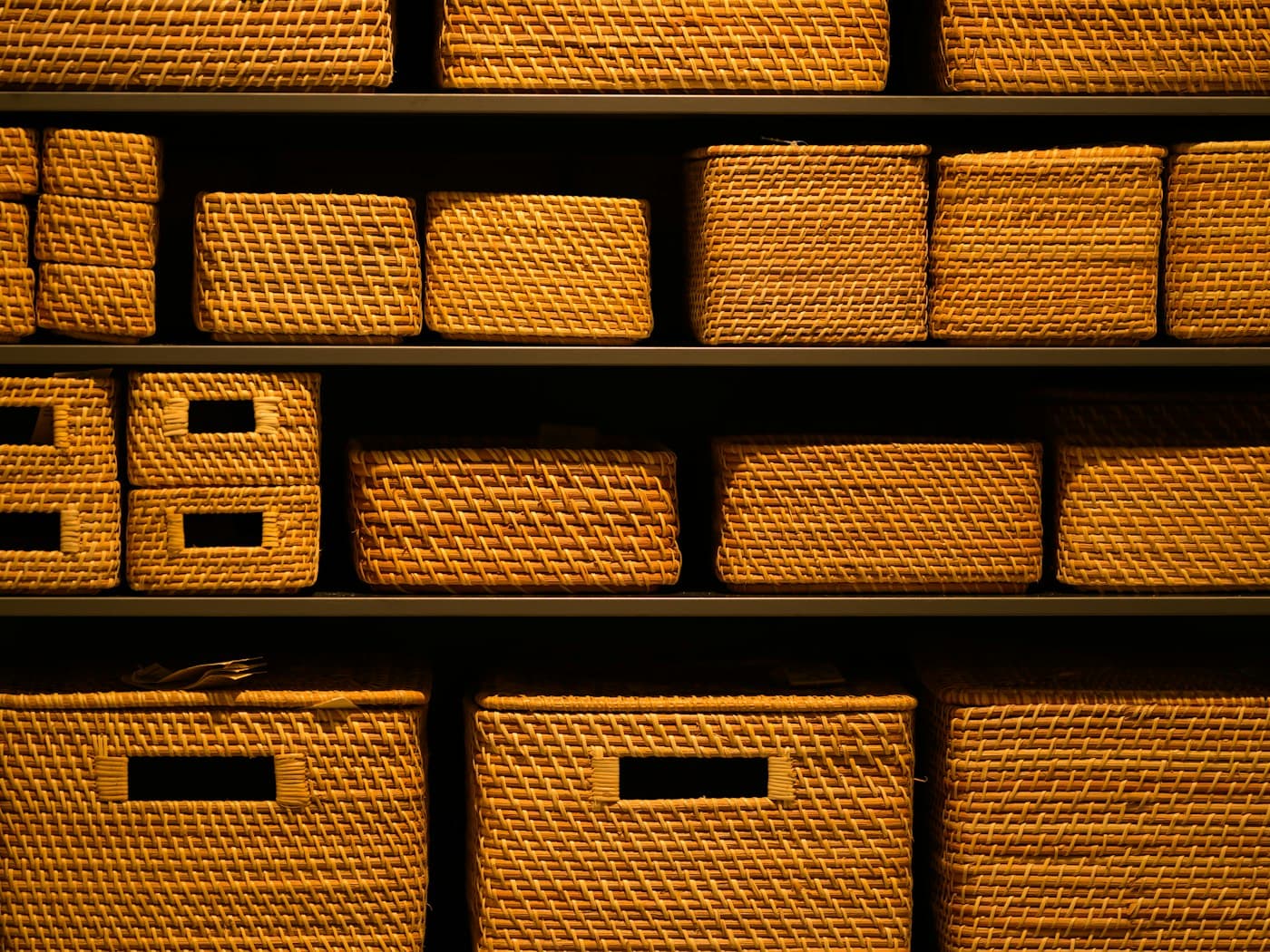
- 01Corral Loose Items Into One GroupSeveral small objects spread across a shelf register as clutter; the same items gathered into a single basket register as one deliberate object.
- 02Tackle the Worst Surface FirstFully clearing the single surface that collects the most stray items changes how a room feels more than lightly tidying several at once.
- 03Cut Volume Before You StoreA smaller pile is easier to organize than a large one — decide what's actually worth keeping before deciding where it goes.
- 04Match Display to What's Worth DisplayingReserve open surfaces for things you're happy to look at every day — move the rest into closed storage.
RoomMinded Tip
A room with a few well-placed groups usually reads as calmer than one where everything is neatly lined up but fully exposed.
06 · Build a System You Can Maintain
Systems That
Survive Real Life.
The best storage system is the one you'll actually keep up with. An elaborate system with too many categories or steps tends to break down within a few weeks — a simpler one, even if it's less precise, is more likely to last.
Give every item a consistent home, so putting something away never requires a decision. A short weekly reset — a few minutes returning stray items to their place — keeps a system working far better than an occasional deep clean.
Design storage for the life you actually live, not the one you wish you had. A system built around real habits will always outlast one built around an idealized version of how a home should be used.
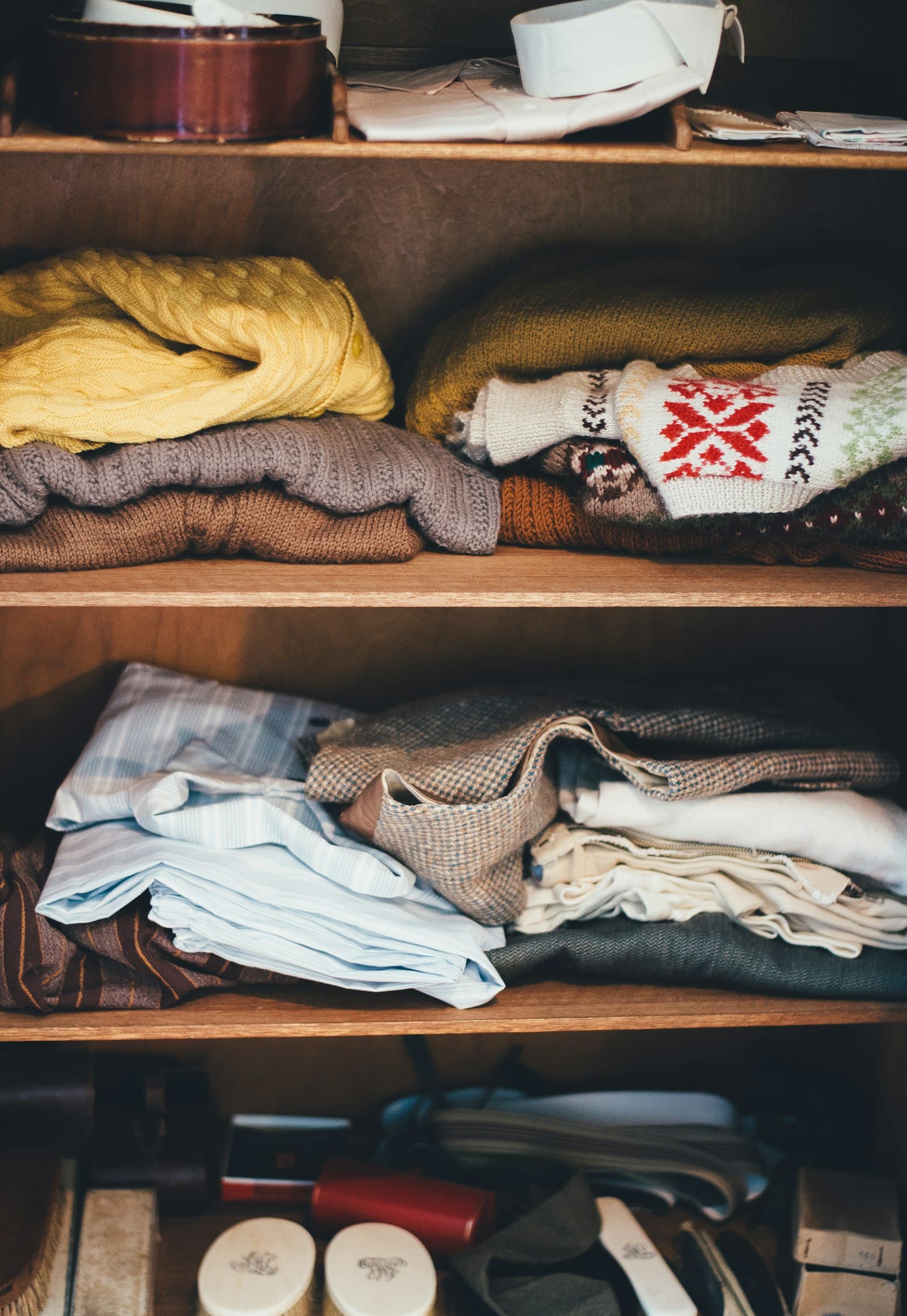
- 01Give Every Item One HomeWhen something has a single, consistent place to go, putting it away stops requiring a decision.
- 02Keep the System SimpleA system with too many categories or steps is harder to maintain than one with a few clear ones.
- 03Build in a Quick ResetA short weekly reset keeps a system working far better than relying on an occasional deep clean.
- 04Design for How You Actually LiveBuild storage around your real habits, not an idealized routine you're unlikely to keep up with.
RoomMinded Tip
A storage system doesn't fail because it's imperfect — it fails when it takes more effort to maintain than the clutter it was meant to solve.
Ready to Put This Into Practice?
Explore a few thoughtfully chosen pieces that can help keep everyday storage under control.
RoomMinded Picks
Useful Pieces
for Everyday Storage.
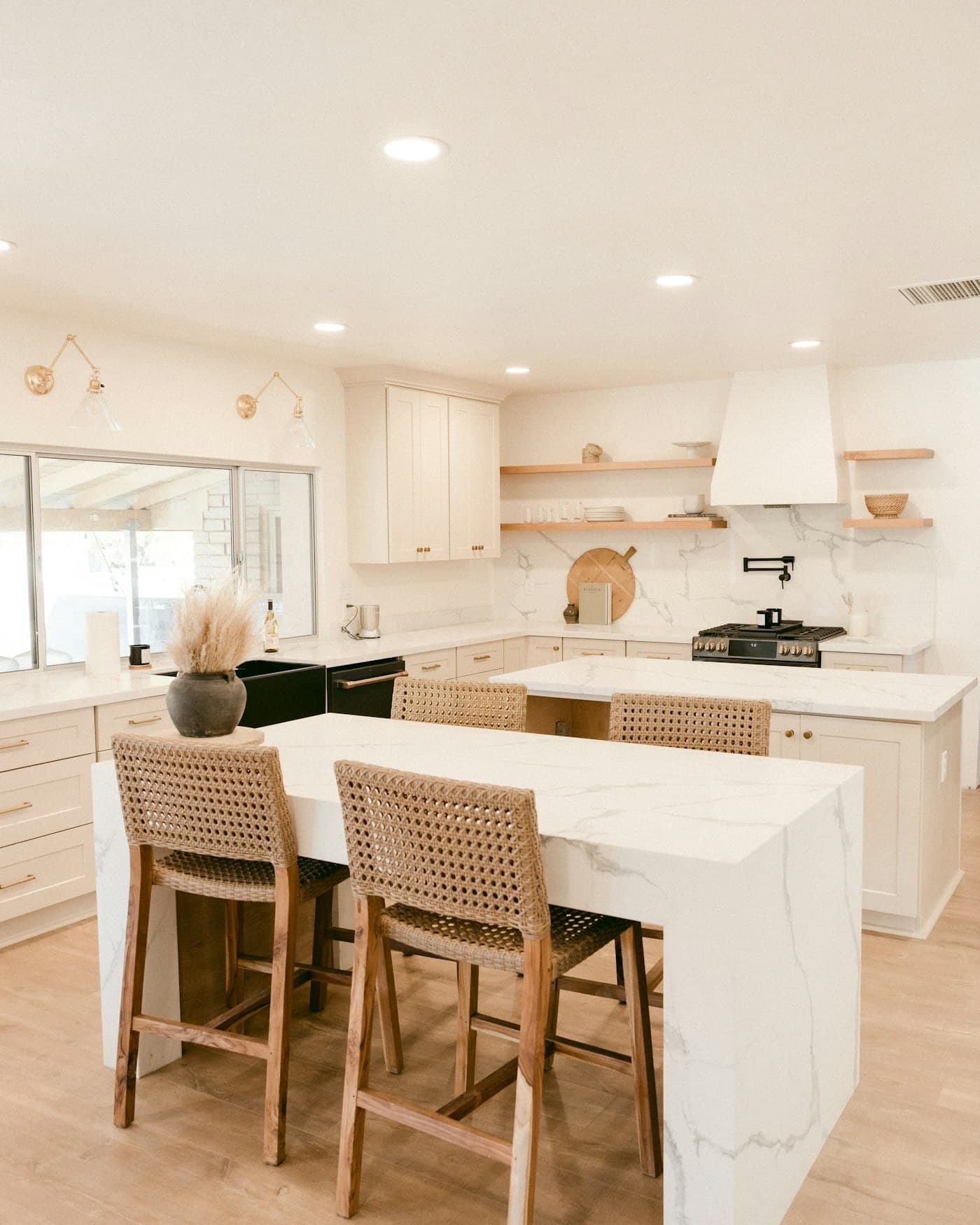
A considered selection of storage furniture, baskets, shelving and organization accessories that can help keep everyday belongings easy to find and put away.
STORAGE
Slim Storage Cabinet
A compact cabinet that adds real storage capacity to a kitchen, hallway or bedroom without overwhelming the room.
$89
View Product
ORGANIZATION
Seagrass Storage Baskets, Set of 4
Hand-woven seagrass baskets that group everyday items into closed storage, so open shelving stays easy to keep tidy.
$XX
View Product
SHELVING
Floating Shelves, Set of 4
Wall-mounted floating shelves that add storage capacity above furniture height without taking up any floor space.
$XX
View Product
ORGANIZATION
Stackable Storage Basket
A stackable basket with a clip-on lid that keeps small, loose items grouped together instead of scattered across a shelf or drawer.
$XX
View ProductRoomMinded may earn a commission when you purchase through links on this page, at no additional cost to you.
Explore All Storage PicksWhere This Applies
Storage That Works
in Every Room.
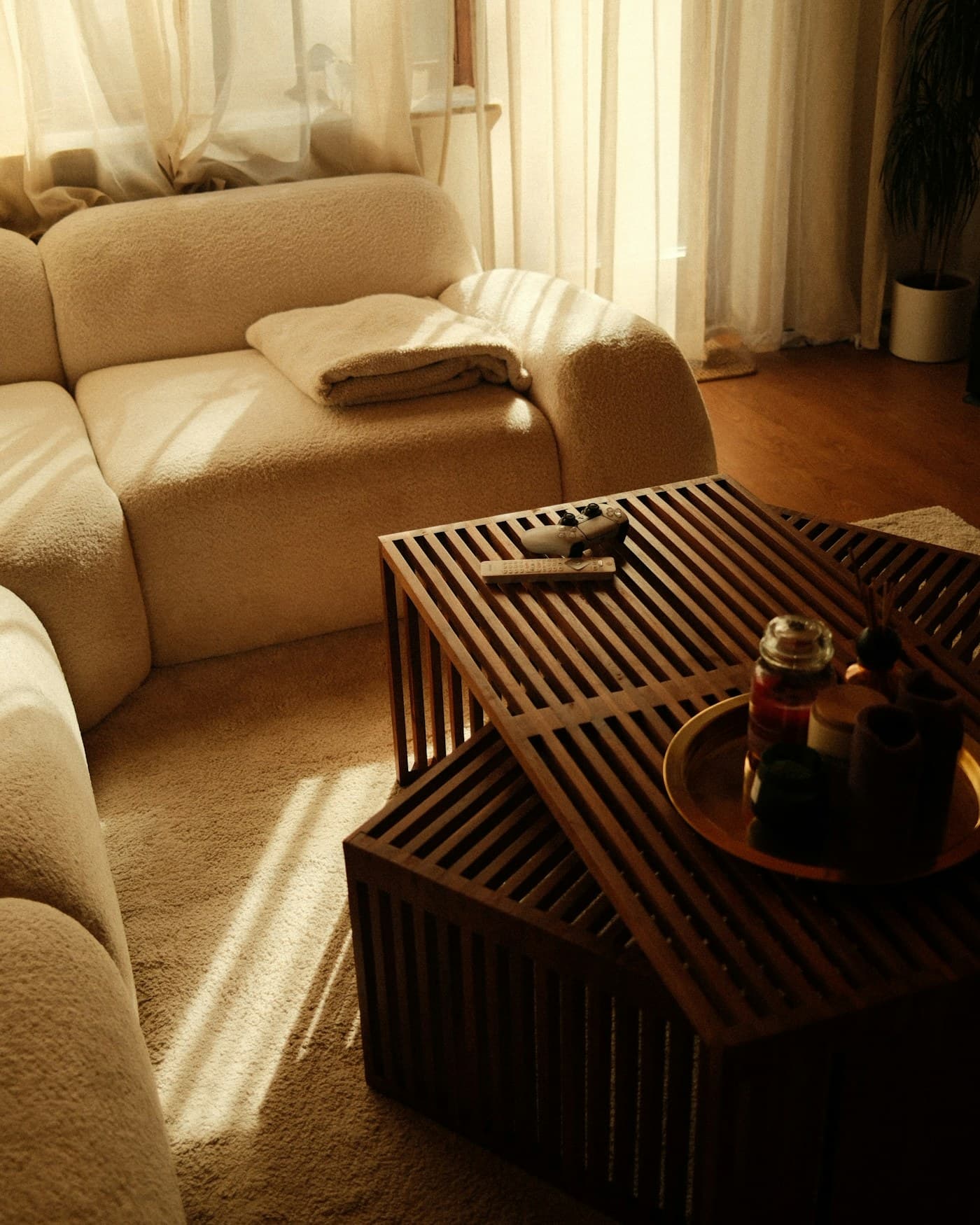
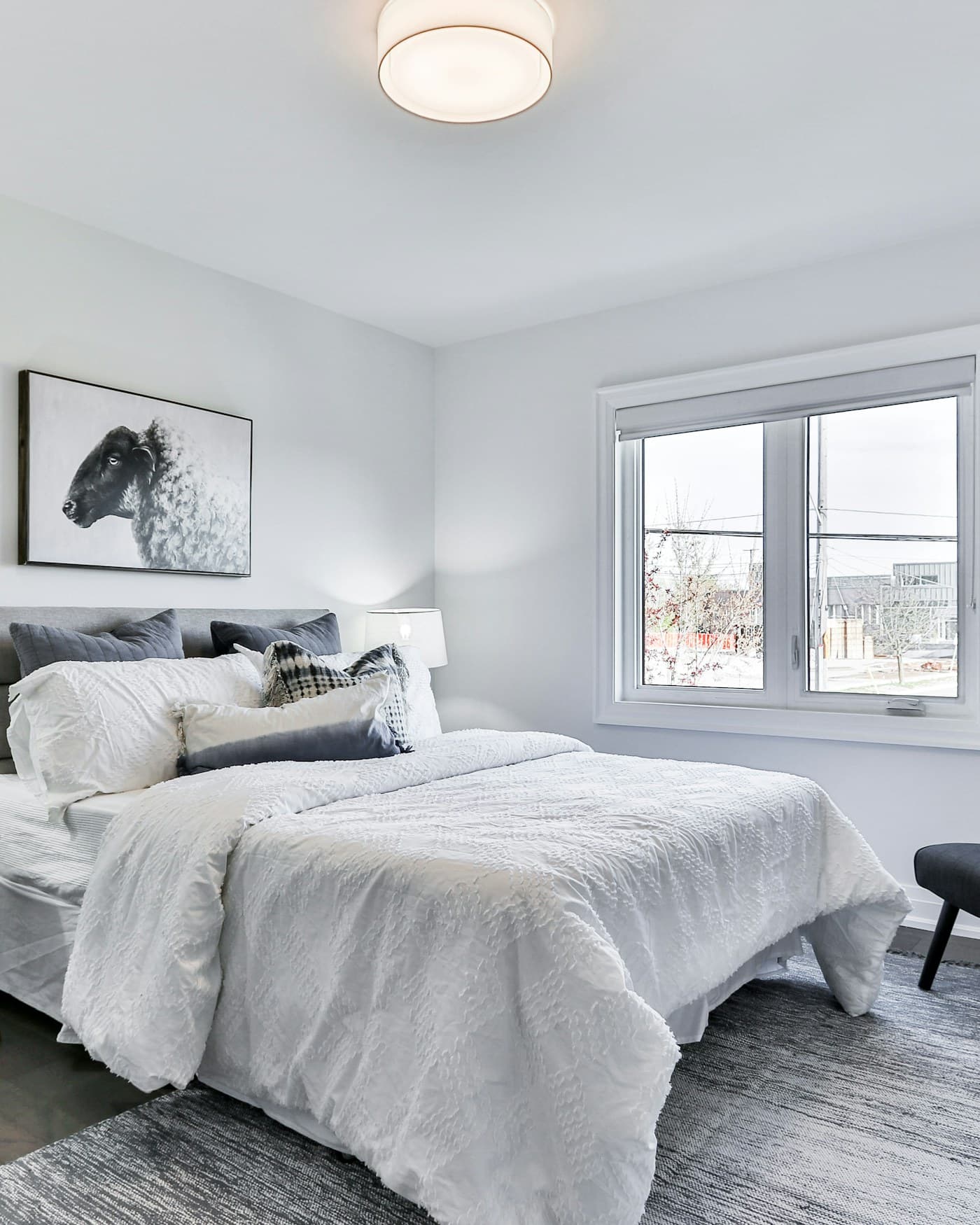
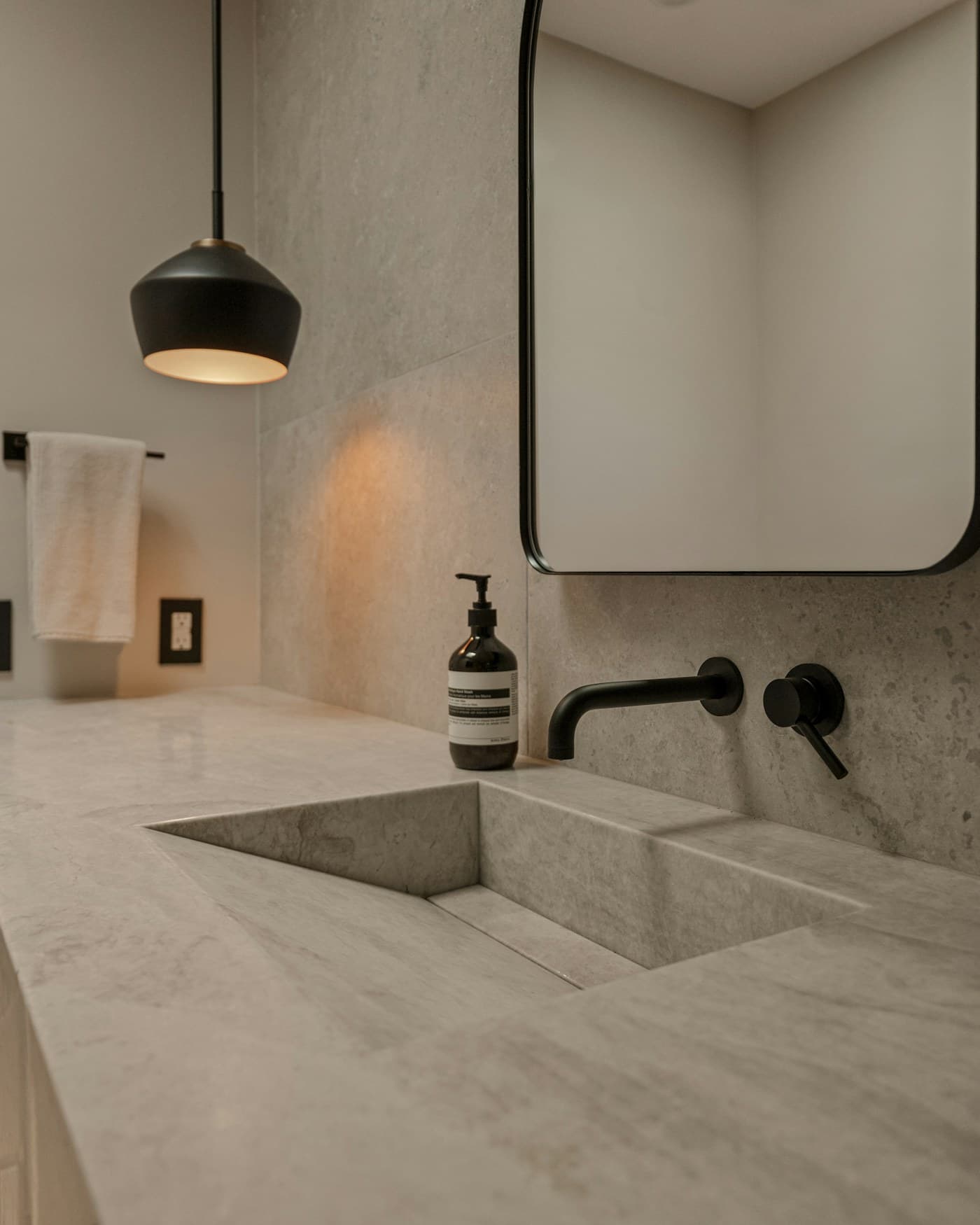
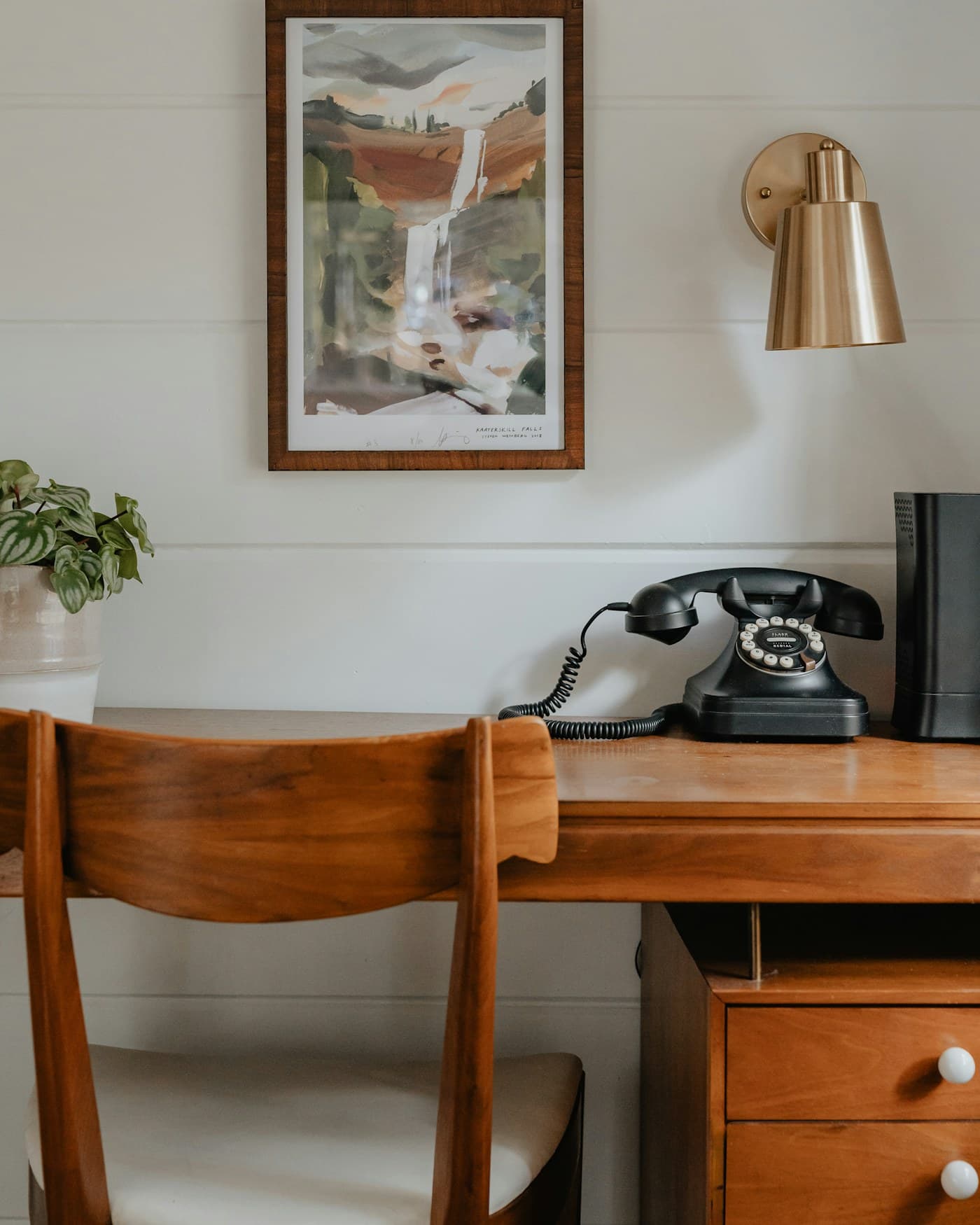
Good storage isn't limited to one room — see how point-of-use storage, vertical space and simple systems apply throughout your home.
Keep Exploring
More Ideas
for Staying Organized.
Continue exploring practical RoomMinded guides for storage, organization and keeping everyday life running smoothly.
Bedroom
Bedroom Organization Ideas That Actually Work
Practical, low-effort ways to organize a bedroom — from the closet to the nightstand — so tidying up stays easy instead of becoming a weekend project.
Read Guide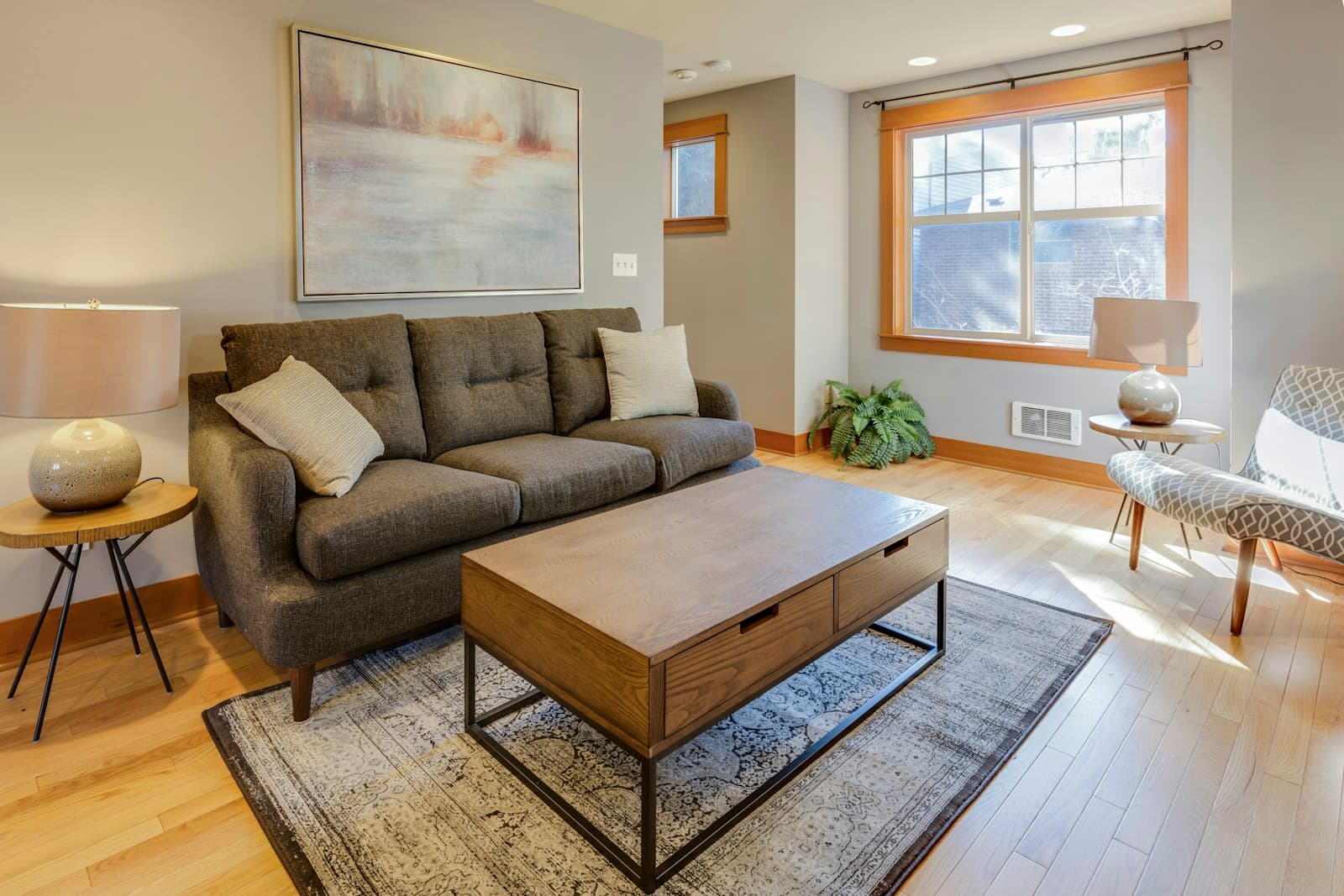
Small Spaces
How to Make a Small Room Feel Bigger
Discover practical small room ideas for better layouts, space-saving furniture, smarter storage and lighting that can make your home feel more open and comfortable.
Read Guide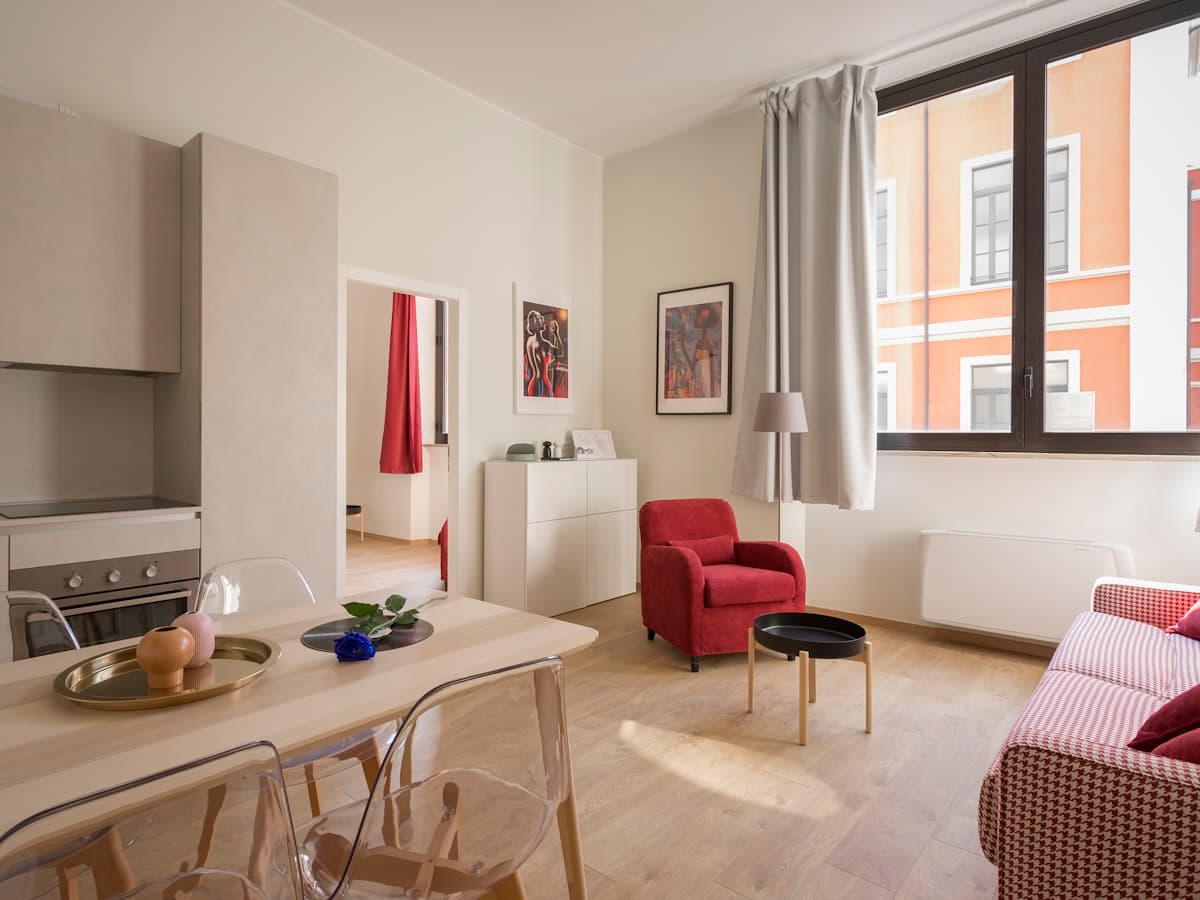
Renter-Friendly
Renter-Friendly Decorating Ideas That Don't Risk Your Deposit
Ways to make a rented home feel more like yours — lighting, storage and decor you can take with you, without drilling into walls your lease says to leave alone.
Read GuideGood to Know
Storage &
Organization, Answered.
A few practical answers to common questions about building storage systems that actually last.
Start with what you use most. Notice which items you reach for every day and make sure those have the closest, easiest storage — everything else can move further away.
Match the storage to the item. Things you use often or don't mind seeing can stay open on shelves; items that create visual clutter are usually better in drawers, baskets or cabinets.
Neither is better on its own — most homes work best with a mix. Open storage suits frequently used or attractive items; closed storage is more forgiving for everyday clutter.
Give every item one consistent home and build in a quick weekly reset. Simple systems with fewer categories are far easier to keep up with than elaborate ones.
Group small items into trays or baskets instead of leaving them scattered, and edit what you keep before looking for a better way to store it — fewer things need less tidying.
Favor vertical storage — tall, narrow shelving and wall-mounted pieces — and furniture with built-in storage over freestanding bins that take up floor space.
Make Storage Work Harder
A Home That's
Easier to Keep Organised.
Build simple storage systems that fit the way you actually live — so everyday things are easier to find, use and put away.
A well-placed home for everything makes the whole house easier to live in.