
Space-Saving Furniture
Furniture That
Does More Than One Job.
Choose furniture sized and shaped for the space you actually have — pieces that fold, extend or serve two purposes instead of one.
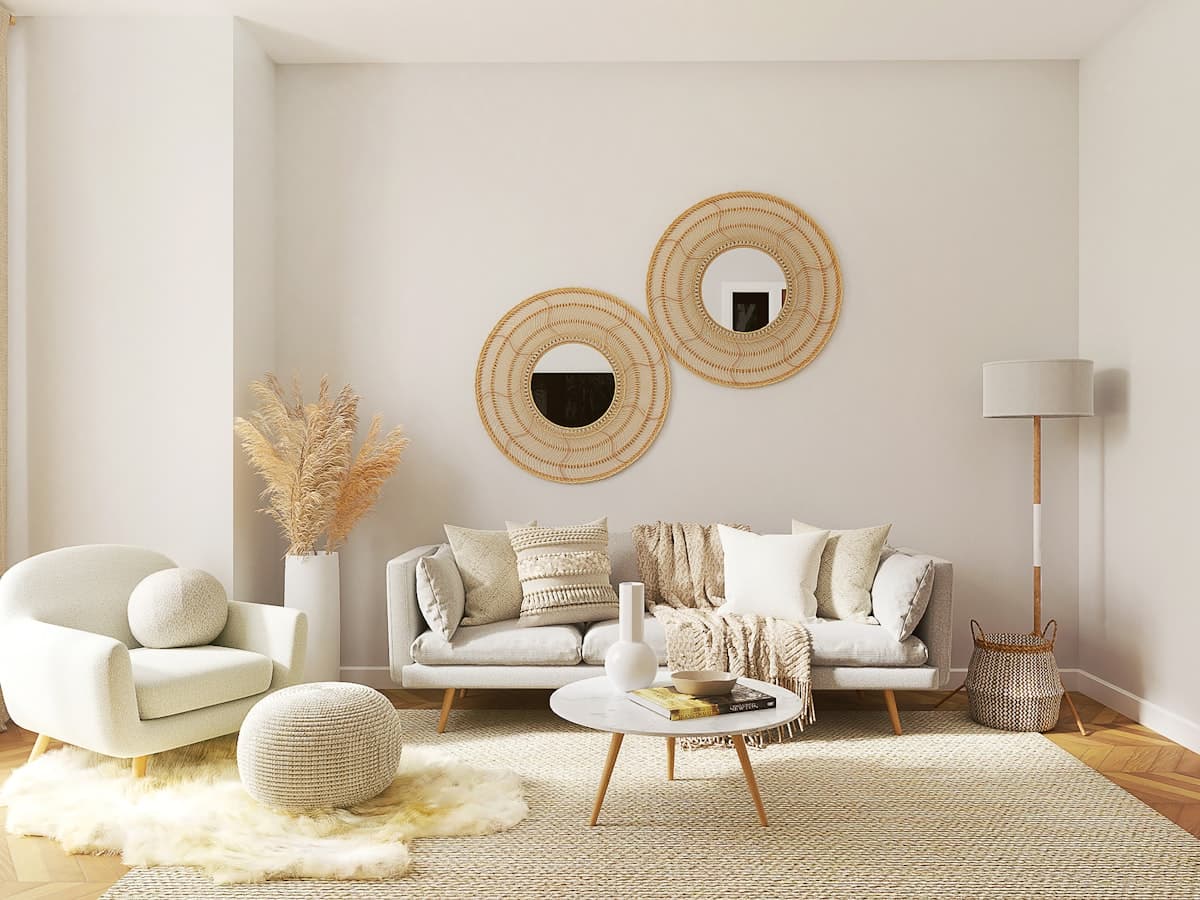 Solution Guide
The Approach
Furniture Should
Earn Its Footprint.
Every piece of furniture takes up floor space whether it's being used or not. In a smaller home, that trade-off matters far more — a single oversized sofa or a fixed dining table can quietly cost a room its flexibility.
Space-saving furniture isn't about buying smaller versions of the same things. It's about choosing pieces that flex with how a room is actually used: a bench that opens for storage, a table that folds down when guests leave, a chair light enough to move without a second thought.
Done well, this is invisible. The room simply feels easier to live in, because the furniture inside it was chosen to match the space rather than fight it.
Multifunctionality
Choose pieces that can genuinely take on more than one role.
Correct Scale
Size furniture to the room it's in, not just to what looks good alone.
Open Circulation
Keep enough clear floor for the room to feel easy to move through.
Visual Lightness
Favor furniture that reads as light, so the room feels less full than it is.
01 · Start With What the Room Needs to Do
Know the Job
Before You Shop.
Before choosing a single piece, get specific about what the room needs to support on a normal day — and on the occasional day that isn't normal. A living room that hosts guests twice a month has different furniture needs than one that never does.
List the activities the room has to hold, in order of how often they happen. The furniture that supports the most frequent activity deserves the best spot in the room; anything for occasional use should be easy to bring out and put away again.
This step is easy to skip, but it's what keeps the rest of the process from becoming a guessing game. A fold-out desk only earns its keep if the room actually needs a desk sometimes and a clear floor the rest of the time.
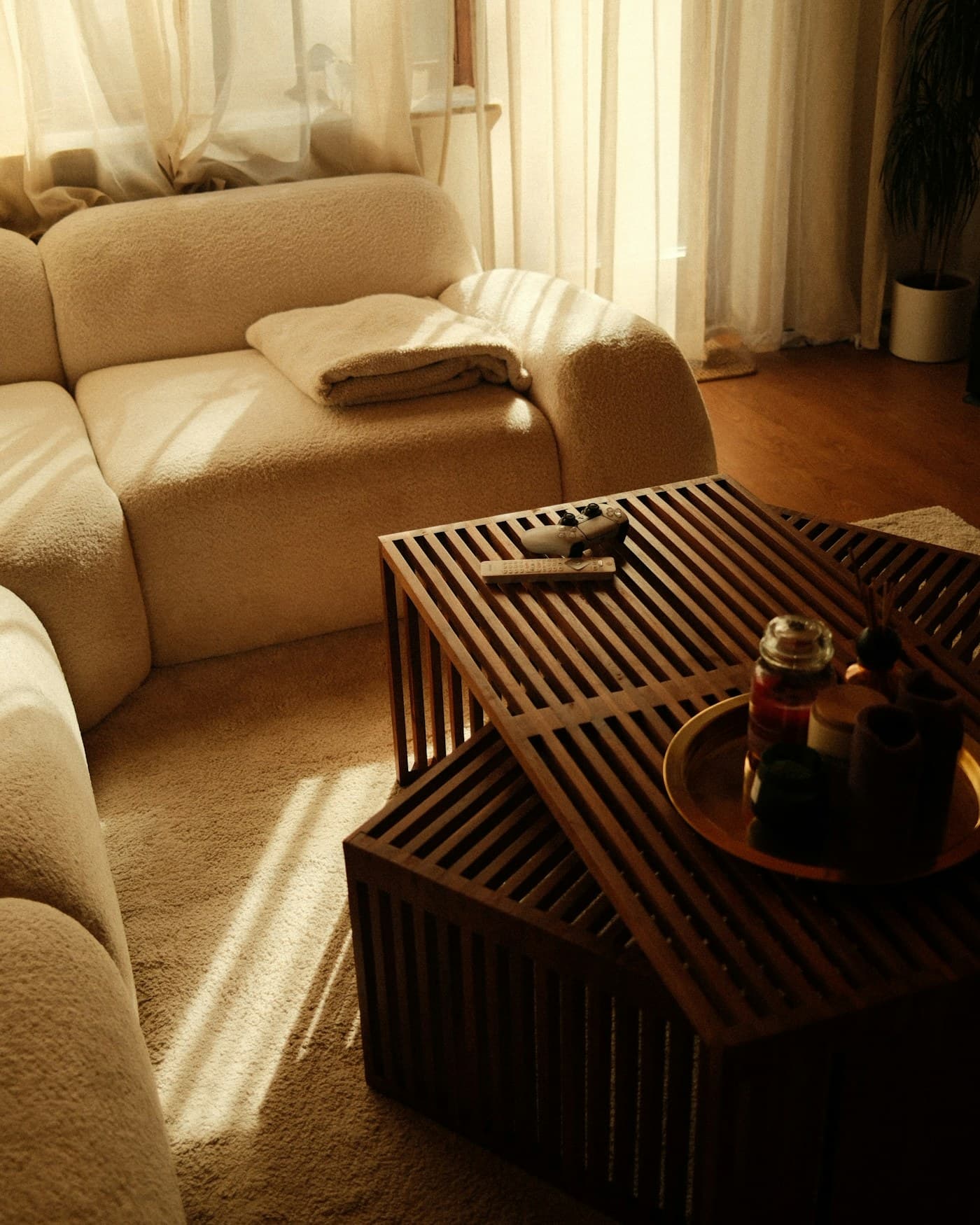
- 01List the Room's Real ActivitiesWrite down everything the room needs to support, from daily use to the odd occasion.
- 02Rank by FrequencyGive the most common activity the best furniture and the most convenient spot.
- 03Plan for the Occasional Use TooA piece that only comes out occasionally should be simple to bring out and put away.
- 04Resist Furnishing for a Hypothetical DayDon't dedicate permanent floor space to a scenario that happens once a season.
RoomMinded Tip
If you can't say what a piece of furniture is for beyond 'it looks nice there,' that's usually a sign the room needs something more useful in that spot instead.
02 · Choose Furniture That Does More
One Piece,
Two or Three Jobs.
Multifunctional furniture is the single highest-leverage choice in a smaller home. A bench that opens for storage, an ottoman that becomes extra seating, a daybed that sleeps a guest — each removes the need for a separate piece entirely.
The best multifunctional furniture doesn't feel like a compromise between its two jobs. A good extendable table looks like a normal table when it's closed and a full dining table when it's open, rather than an awkward halfway version of either.
Be honest about which secondary function you'll actually use. A sofa bed you never unfold is just a slightly less comfortable sofa — the extra function only pays off if it fits into how the room is really used.
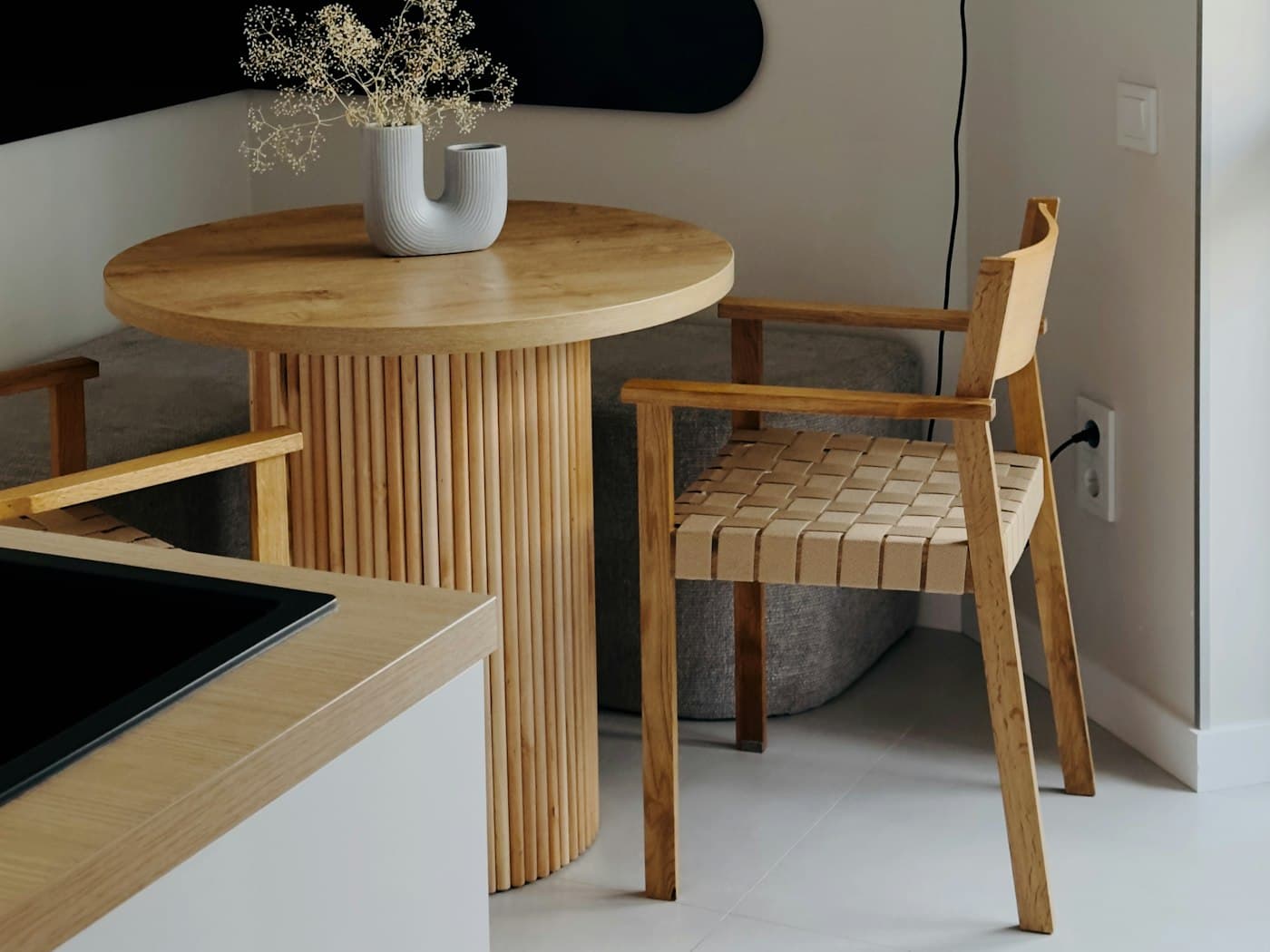
- 01Look for a Genuine Second FunctionStorage benches, extendable tables and sofa beds can each remove the need for another piece.
- 02Check Both Jobs Work WellA multifunctional piece should perform each role properly, not just technically offer it.
- 03Match the Function to Real UseOnly choose a secondary function you'll actually use — an unused feature adds nothing.
- 04Favor Simple MechanismsA fold, slide or lift that takes real effort tends to stop getting used within a few months.
RoomMinded Tip
Test the mechanism before you buy — fold it, extend it or open it in the showroom. If it feels like a chore there, it will feel like one at home too.
03 · Get the Scale Right
Size It
to the Room, Not the Showroom.
Furniture that looks correctly proportioned in a large showroom can overwhelm a smaller room entirely. Scale is one of the easiest things to get wrong, because it's hard to judge a piece's true footprint outside the space it's going into.
Measure the room, not just the furniture. Account for the space a piece needs to actually be used — a dining chair needs room to pull out, a recliner needs room to recline — not only the dimensions it occupies at rest.
When in doubt, choose the smaller option. A slightly undersized piece is easy to live with; an oversized one can dominate a room and make every other piece of furniture feel cramped around it.
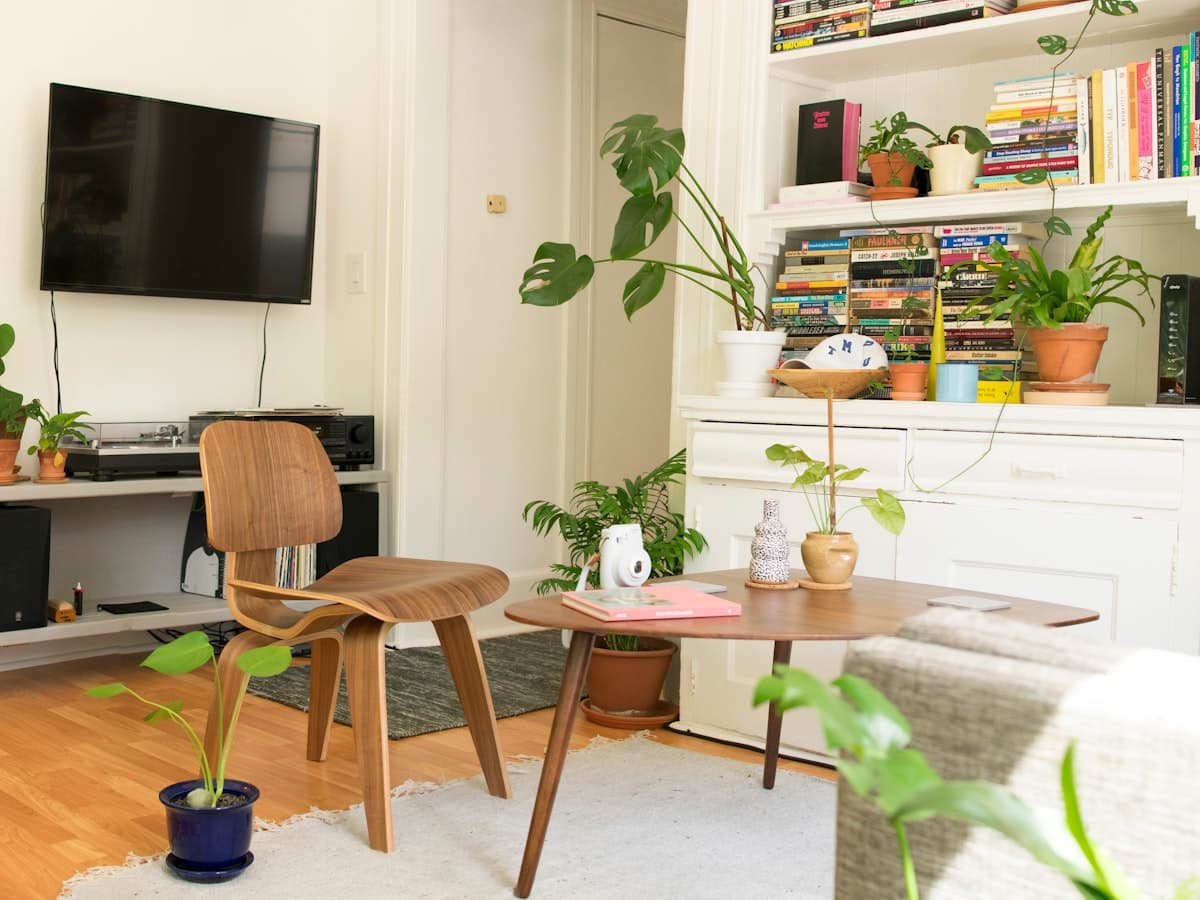
- 01Measure the Room FirstKnow the room's exact dimensions before shopping for anything to put in it.
- 02Account for ClearanceAdd the space a piece needs to actually be used, not just the footprint it occupies at rest.
- 03Tape It Out Before You BuyMark a piece's footprint on the floor with tape to see how it will really sit in the room.
- 04When Unsure, Size DownA slightly smaller piece is easier to live with than one that crowds everything around it.
RoomMinded Tip
A piece of furniture rarely looks too small once it's actually in the room — it's almost always the oversized ones that end up feeling like a mistake.
04 · Keep Circulation Clear
Leave a Path
Through the Room.
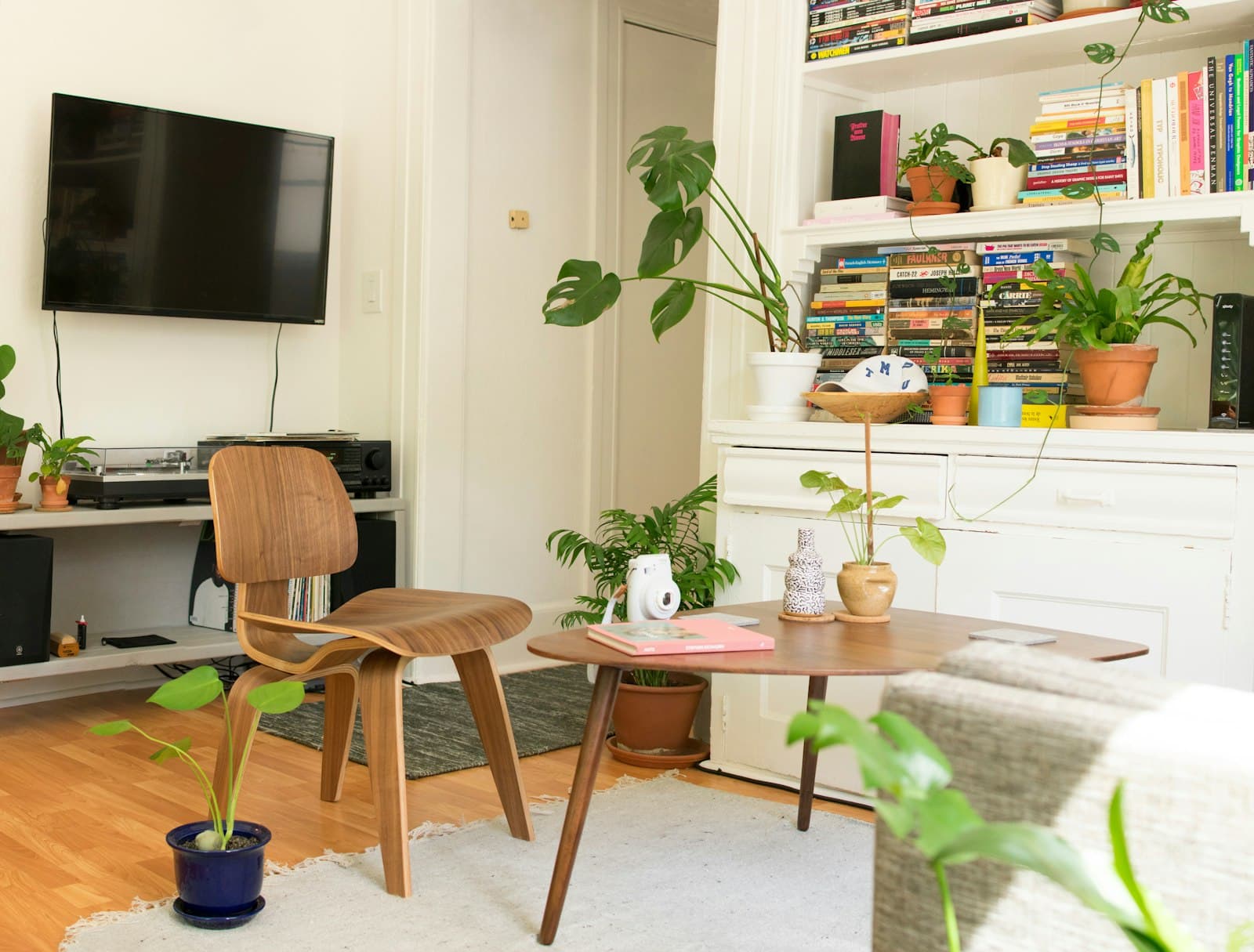
Furniture choices don't just fill space — they shape how a room moves. A single piece placed awkwardly can block the most natural route through a room, making the whole space feel tighter than its square footage suggests.
Aim to keep at least one clear, direct path between a room's main entry points. Furniture with a lower profile or slimmer legs takes up less visual space along that path, even when its footprint is similar to a bulkier piece.
Circulation matters more than it seems until it's missing. A room with a blocked path feels smaller and more cluttered than one with genuinely less floor space but an open route through it.
- 01Protect the Main PathKeep at least one direct, unobstructed route between a room's main entry points.
- 02Choose Furniture With Slim LegsRaised, slender legs read as less visually blocking than furniture that sits flush to the floor.
- 03Avoid Cutting Corners DiagonallyA piece placed at an angle can eat up more usable floor space than the same piece squared off.
- 04Walk the Route Before CommittingPhysically walk your usual path through the room before finalizing any furniture placement.
RoomMinded Tip
If you find yourself sidestepping the same piece of furniture more than once a day, it's worth moving before you consider replacing anything else in the room.
05 · Look for Flexible Pieces
Furniture That
Rearranges With You.
A room's needs change more often than its furniture usually does — a movie night, a work-from-home day, guests staying over. Flexible furniture can adapt to those shifts instead of requiring a full rearrange each time.
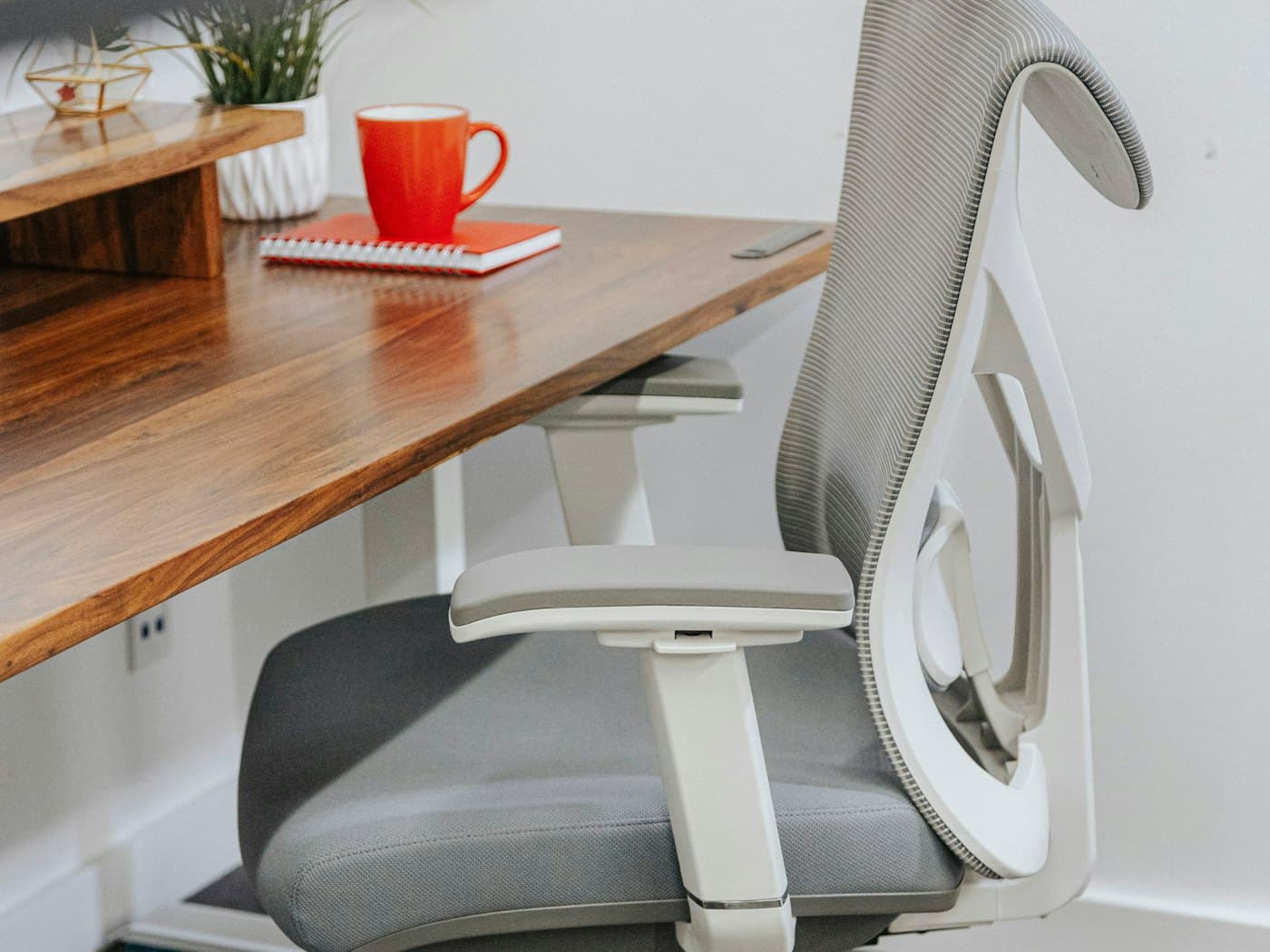
Modular seating, stackable stools and lightweight chairs are easy to reconfigure on the fly. A piece that's simple to pick up and move gets used far more flexibly than one that takes two people to reposition.
Flexibility isn't only about physically moving furniture — it's also about pieces that can subtly shift role, like a low bench that works as seating, a side table or extra surface depending on where it's placed.
- 01Favor Lightweight PiecesFurniture that's easy to lift and move gets reconfigured far more often than heavy, fixed pieces.
- 02Choose Modular SeatingSectional or stackable seating can expand for guests and shrink back for everyday use.
- 03Let a Piece Change RolesA stool or low bench can shift between seating, a side table and extra surface as needed.
- 04Skip Fixed, Built-In ArrangementsFreestanding furniture keeps a layout adjustable in a way fitted pieces never can.
RoomMinded Tip
Before buying a new piece for one specific occasion, check whether something you already own could be rearranged to cover it instead.
06 · Make the Room Feel Lighter
Choose Furniture
That Reads as Open.
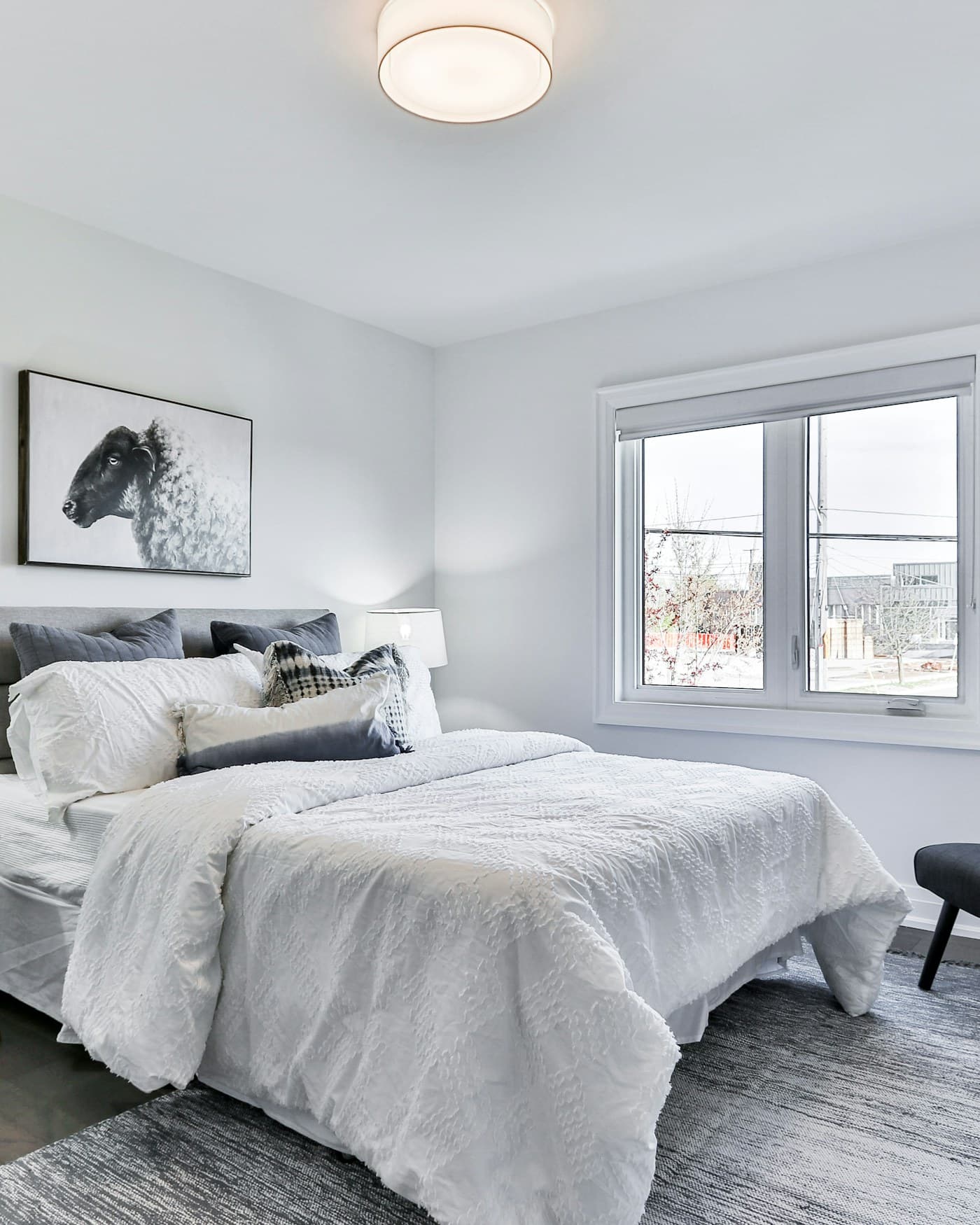
Two rooms with an identical furniture footprint can feel completely different depending on how visually heavy that furniture is. Solid, boxy pieces read as more crowded than furniture with visible legs, open frames or lighter materials.
Glass, rattan and thin metal all let light and sightlines pass through a piece rather than stopping at it. That transparency does more to keep a room feeling open than reducing the number of pieces in it.
This is often the final, easiest adjustment once the layout and furniture choices are otherwise settled — swapping one visually heavy piece for a lighter equivalent can change how the whole room feels without changing anything else.
- 01Choose Open Frames Over Solid BlocksFurniture with visible legs or an open frame reads as lighter than a solid, boxy silhouette.
- 02Let Sightlines Pass ThroughGlass, rattan and slim materials keep a room feeling open even with the same footprint.
- 03Match Furniture Color to the WallsFurniture close in tone to the walls tends to recede rather than stand out as a solid mass.
- 04Save the One Heavy Piece for an AnchorOne visually solid piece can ground a room — more than one usually starts to feel crowded.
RoomMinded Tip
If a room still feels full after decluttering, the issue is often visual weight rather than quantity — try swapping one solid piece for something with an open frame before adding more storage.
Ready to Put This Into Practice?
Explore a few thoughtfully chosen pieces of furniture that can help a smaller room do more.
RoomMinded Picks
Furniture That
Works Harder.
A considered selection of multifunctional, foldable and space-conscious furniture that can help any room do more with less.
STORAGE
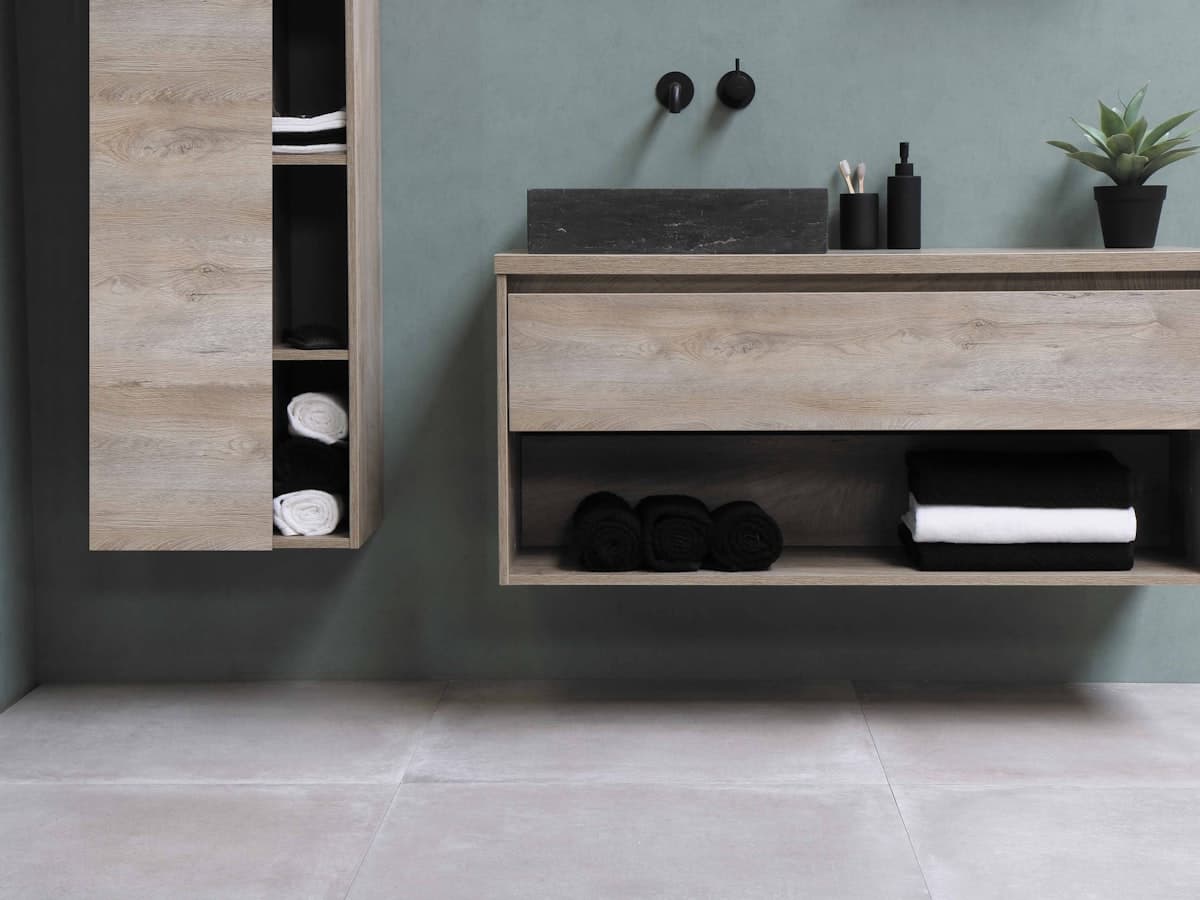
Slim Storage Cabinet
A narrow-footprint cabinet that adds real storage capacity without taking over the room it's placed in.
$89
View Product
DINING
Folding Dining Table
Seats two for everyday meals and folds flat again afterward, so it never has to hold floor space full-time.
$XX
View Product
FLEXIBLE FURNITURE
Nest of Tables
A set of tables that separates for extra surface space and tucks back together when the room needs to feel open.
$XX
View Product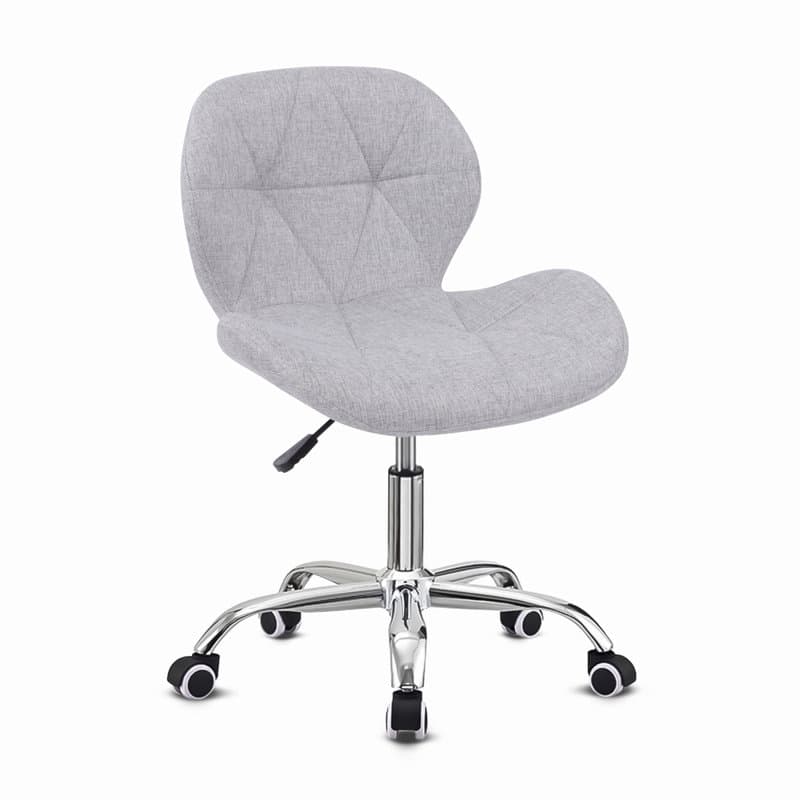
SEATING
Compact Ergonomic Chair
A lightweight chair that's easy to move between a desk and a seating area as the room's needs shift.
$XX
View ProductRoomMinded may earn a commission when you purchase through links on this page, at no additional cost to you.
Explore All Furniture PicksWhere This Applies
Furniture Choices
That Matter in Every Room.
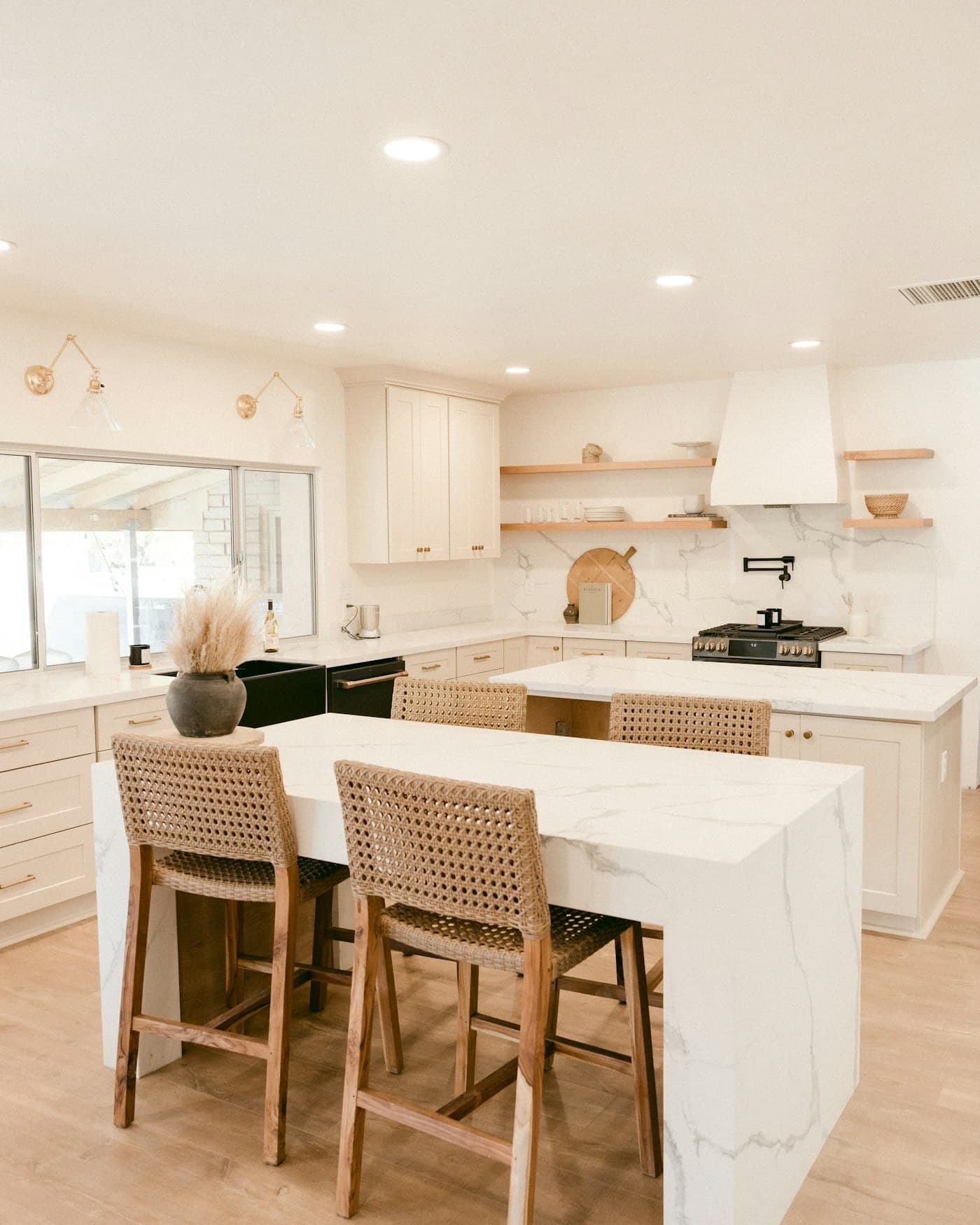
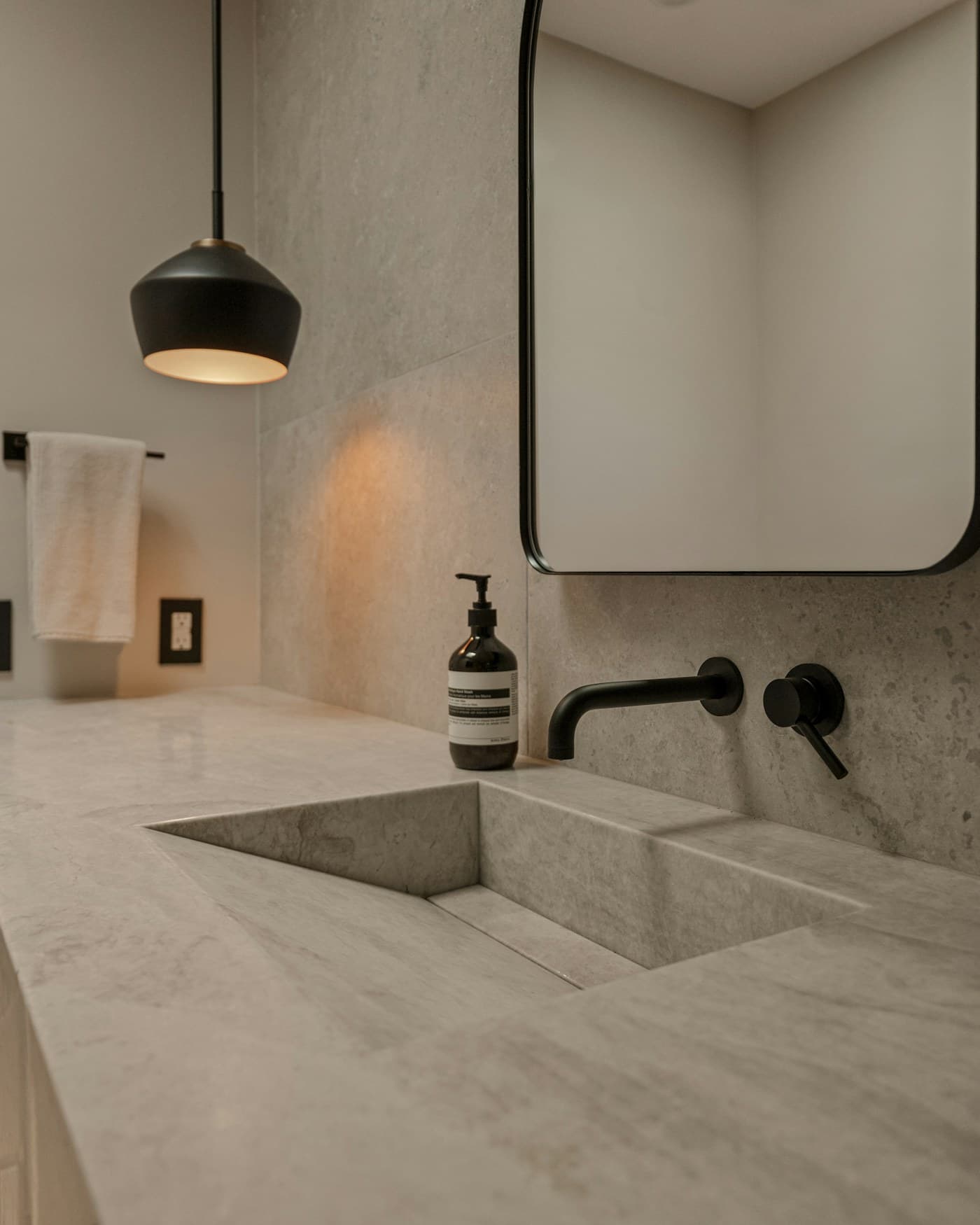
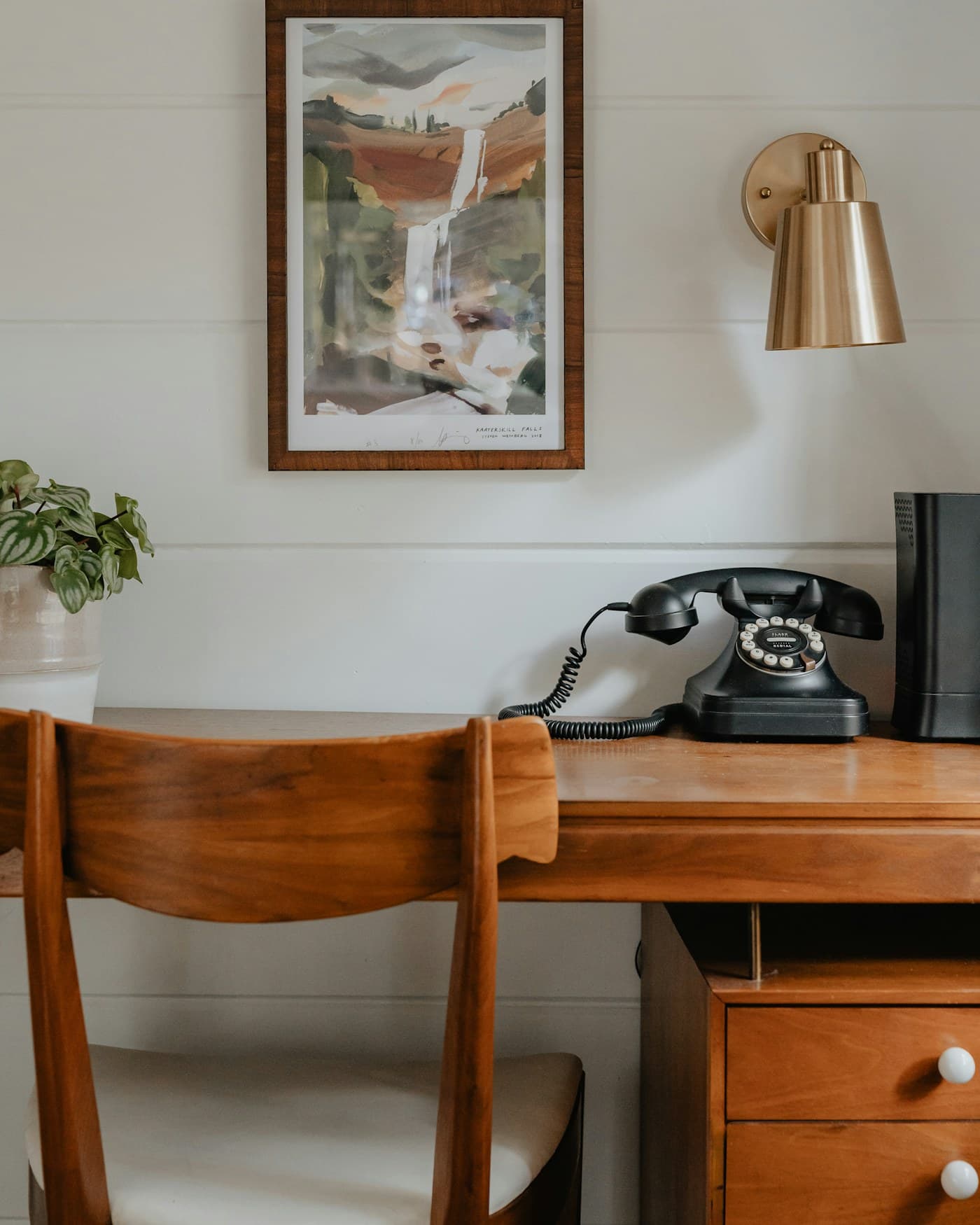
Multifunctional furniture, the right scale and clear circulation apply well beyond one room — see how the same choices play out throughout your home.
Keep Exploring
More Ideas
for Smarter Furniture.
Continue exploring practical RoomMinded guides for choosing, arranging and getting more use out of the furniture you already own.
Living Room
Small Living Room Layout Ideas for Better Everyday Flow
Practical layout ideas for a small living room — choosing a seating arrangement that fits how you actually use the room, and keeping traffic paths open.
Read Guide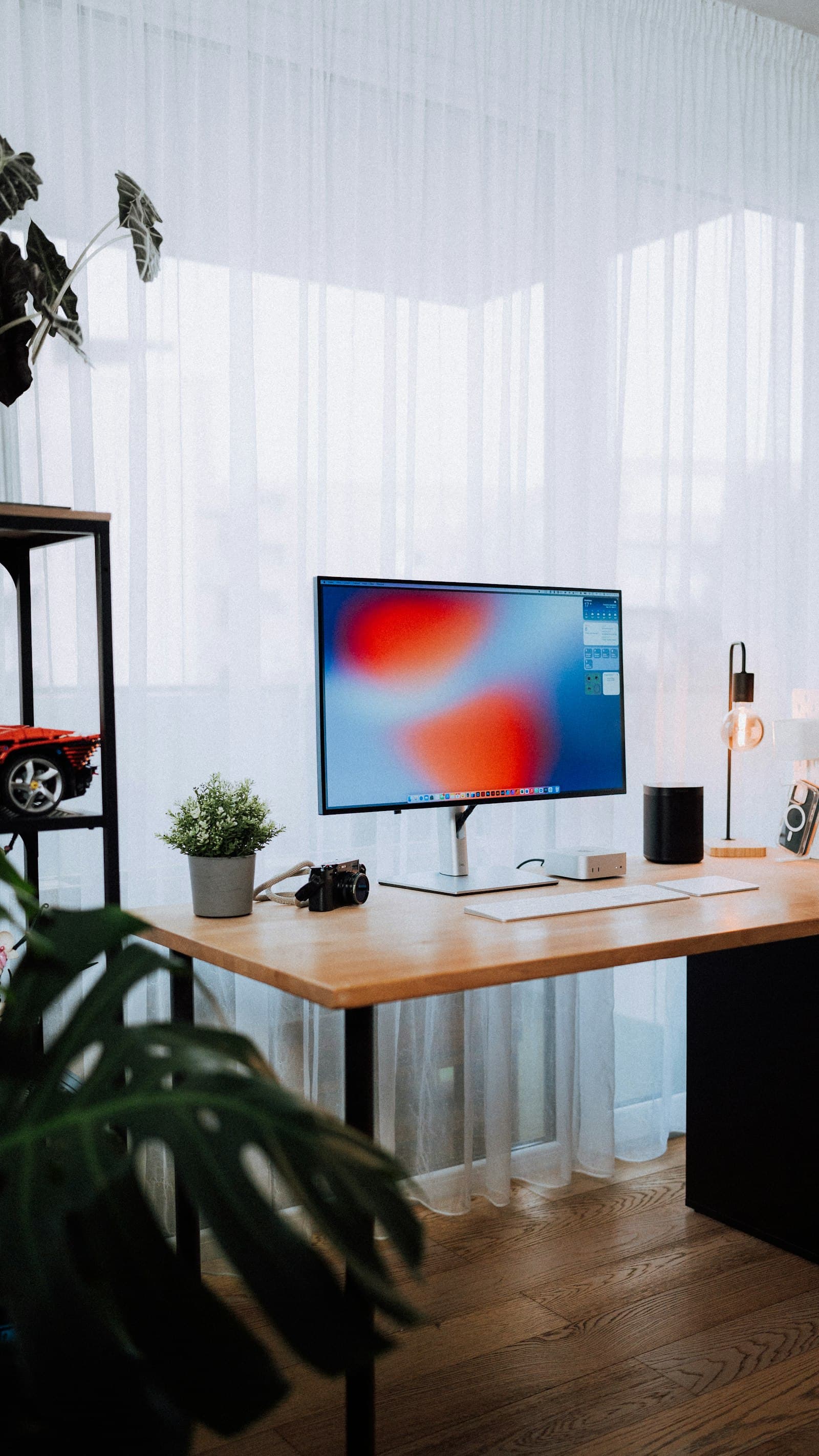
Home Office
How to Set Up a Home Office in a Small Apartment
A practical approach to setting up a home office in a small apartment — finding a dedicated spot, choosing furniture that supports a full workday, and keeping work contained to its corner.
Read Guide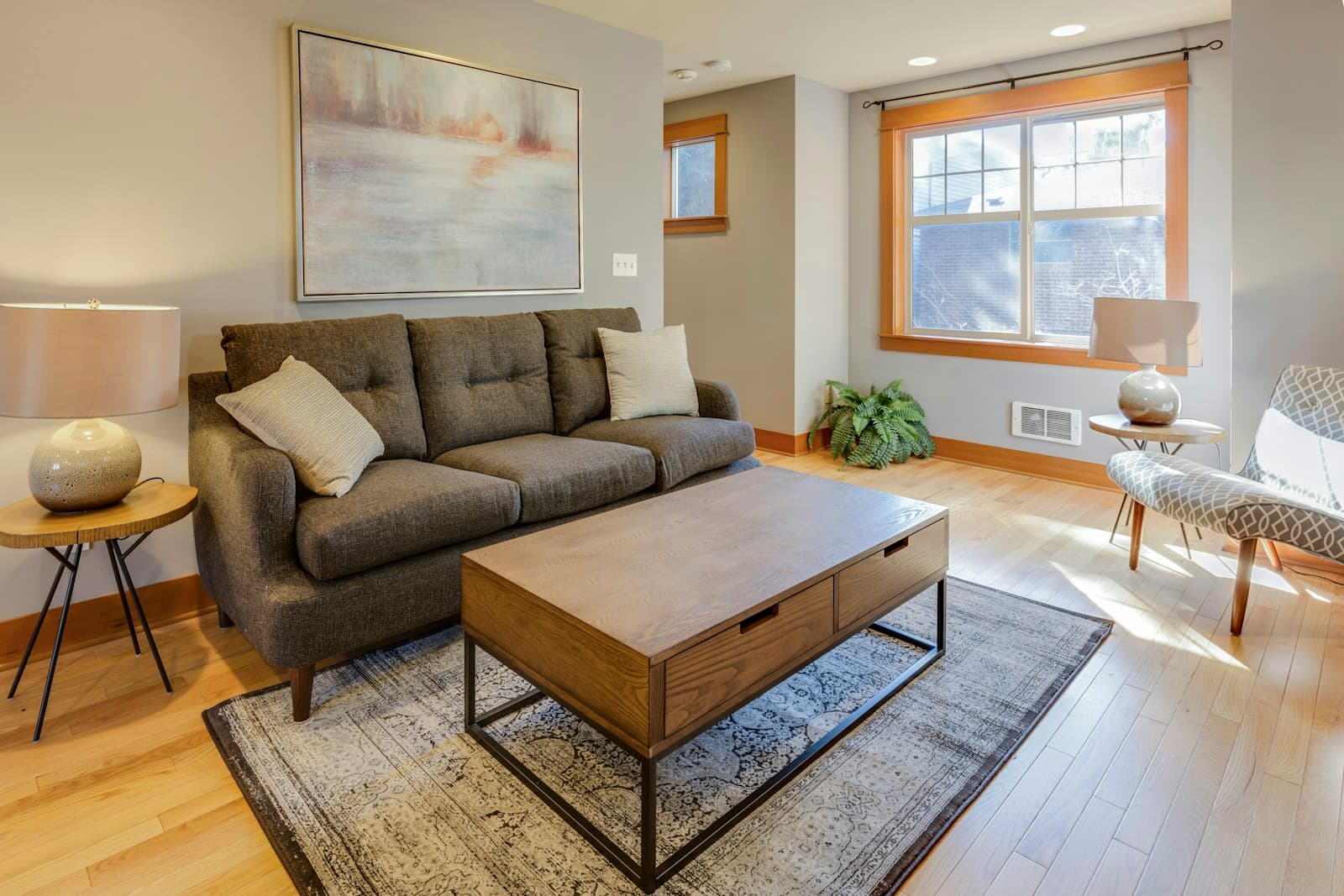
Small Spaces
How to Make a Small Room Feel Bigger
Discover practical small room ideas for better layouts, space-saving furniture, smarter storage and lighting that can make your home feel more open and comfortable.
Read GuideGood to Know
Space-Saving Furniture,
Answered.
A few practical answers to common questions about choosing furniture that works harder for the space you have.
It's furniture that does more than hold up its own weight in a room — pieces that fold, extend, nest or serve two purposes so a room doesn't need a separate item for each function.
Usually, yes, if you'll genuinely use both functions. A piece that replaces two separate items can cost less overall and take up far less floor space than buying each one on its own.
Measure the room and account for the clearance a piece needs to actually be used, not just its resting footprint. Taping out the dimensions on the floor before buying helps avoid an oversized piece.
Yes. A blocked walking path makes a room feel smaller than its square footage suggests, while the same furniture arranged to leave a clear route can make an identical room feel noticeably more open.
Favor pieces with visible legs, open frames or lighter materials like glass or rattan. They let sightlines pass through and read as far less bulky than solid, boxy furniture of the same size.
No — a room built entirely around dual-purpose pieces can start to feel compromised. A few genuinely useful multifunctional pieces, paired with well-scaled single-purpose furniture, usually works best.
Furniture That Earns Its Space
Smaller Footprint.
Bigger Function.
Find furniture sized, shaped and built to do more than one job — so every piece in the room earns the floor space it takes up.
The right furniture makes a room work harder without making it feel smaller.