
Kitchen
A Kitchen
That Works Harder.
Create a kitchen that is easier to move through, simpler to keep organized and better suited to the way you actually cook, eat and live.
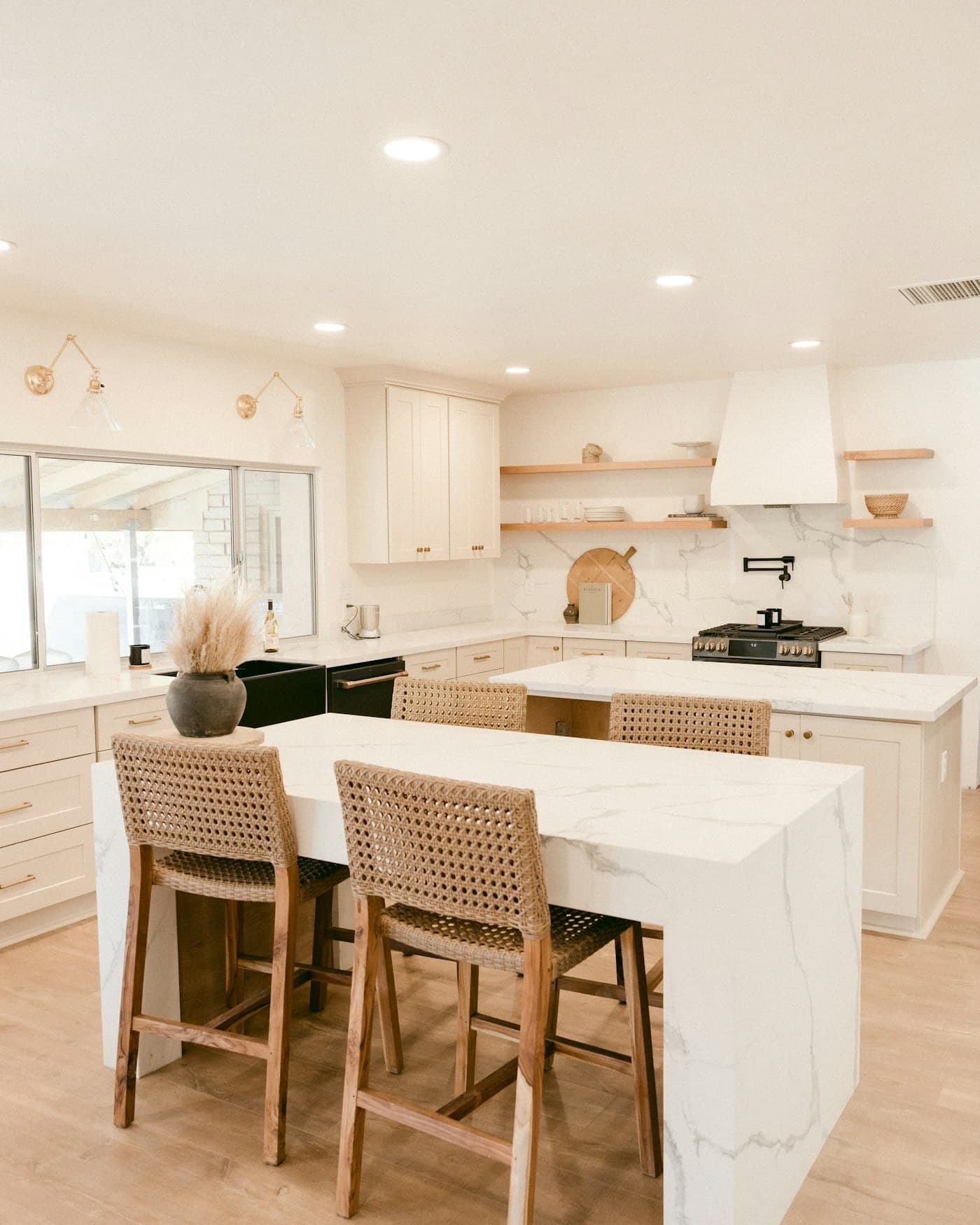 Room Guide
Why It Matters
A Kitchen
That Works for You.
A kitchen should feel welcoming, but it also has to work — for prep, cooking, cleaning and the everyday routines that happen there more than in any other room.
Thoughtful choices in workflow, furniture and storage can make the space easier to move through and easier to keep organized, without requiring a renovation or more equipment.
The goal isn't a picture-perfect kitchen. It's one that supports the way you actually cook, eat and live, day after day.
Clear Workflow
Keep the paths between prep, cooking and cleaning open and easy to move through.
Furniture That Fits
Choose dining and seating pieces that add function without blocking movement.
Useful Storage
Keep everyday items within reach without letting countertops become cluttered.
Practical Lighting
Light work surfaces and dining areas so the kitchen functions well at every hour.
01 · Get the Workflow Right
Start With
the Way You Cook.
The most functional kitchens are built around the way people actually prepare, cook and clean up — not around how the room looks in a photograph.
Before rearranging anything, think about the everyday movement between the fridge, the stove and the sink, and keep those paths clear. A kitchen doesn't need to be large to work well — it needs the areas you use most to stay practical and easy to reach.
A good workflow makes ordinary cooking easier without requiring you to think about it.
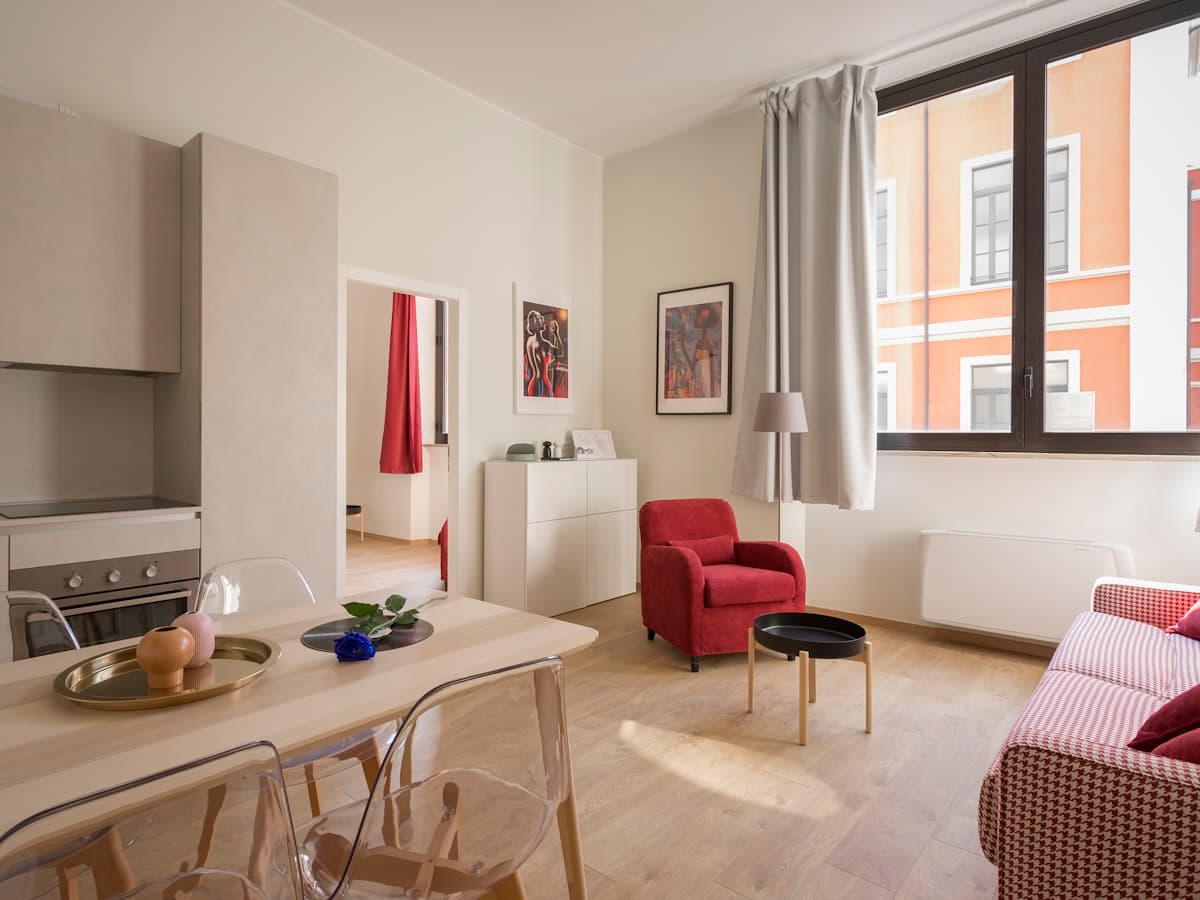
- 01Map Your Everyday TriangleNotice how you move between the fridge, stove and sink, and keep that route as clear as possible.
- 02Keep Prep Space ClearReserve the countertop nearest the stove for active prep rather than letting it collect everyday clutter.
- 03Separate Cooking and CleanupWhere layout allows, keep the dishwasher and bins from crowding the space you cook in most.
- 04Test Your RoutineCook a normal meal and notice where you have to stop, backtrack or reach around something. That's the first thing worth fixing.
RoomMinded Tip
Before changing anything, spend one meal noticing where you get stuck. The busiest three feet of your kitchen usually reveal exactly what needs to change.
02 · Choose Furniture That Earns Its Space
Choose Furniture
That Fits the Room.
Kitchen furniture works hardest when it's scaled to the room and genuinely useful, not simply chosen for style.
A dining table that's too large can block the path to the sink or stove, while stools and chairs that are hard to tuck away can make a small kitchen feel tighter than it needs to be.
Before adding anything new, it helps to measure the room and think about proportion first. Movable, appropriately scaled pieces almost always work better than a fixed, oversized one.
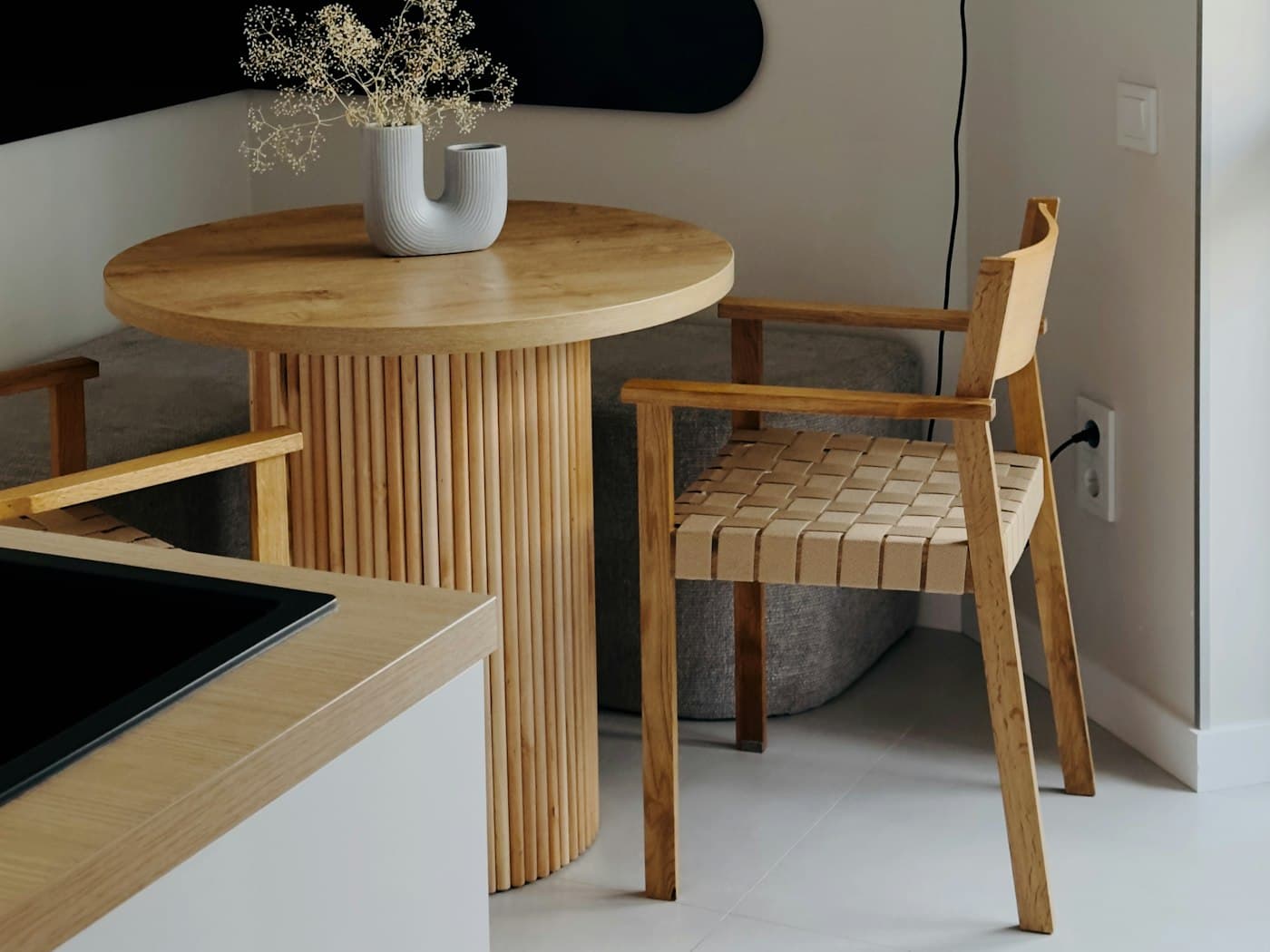
- 01Measure Before You BuyCheck the clearance around a table or stools before bringing new furniture into the kitchen.
- 02Choose Movable PiecesStools and chairs that are easy to tuck in or move aside keep the room flexible for cooking and cleaning.
- 03Watch the ScaleA dining table should fit the space it's in, not just the number of people you'd like to seat.
- 04Leave Room to PassMake sure people can comfortably walk between the table and the counters while someone is cooking.
RoomMinded Tip
Before buying new stools, sit at the counter with the ones you have — or a stand-in chair — and see if you can comfortably get in and out while someone else is cooking.
03 · Make Storage Work Harder
Give Everything
a Place to Go.
A kitchen has to store more than almost any other room — cookware, pantry items, everyday dishes and the small tools you reach for constantly.
Good kitchen storage keeps those things organized and out of the way without turning every meal into a search. Look at drawers, cabinets and vertical space before deciding you need more of it.
The goal isn't to store everything perfectly. It's to reduce the countertop clutter that makes a kitchen feel harder to use than it should.
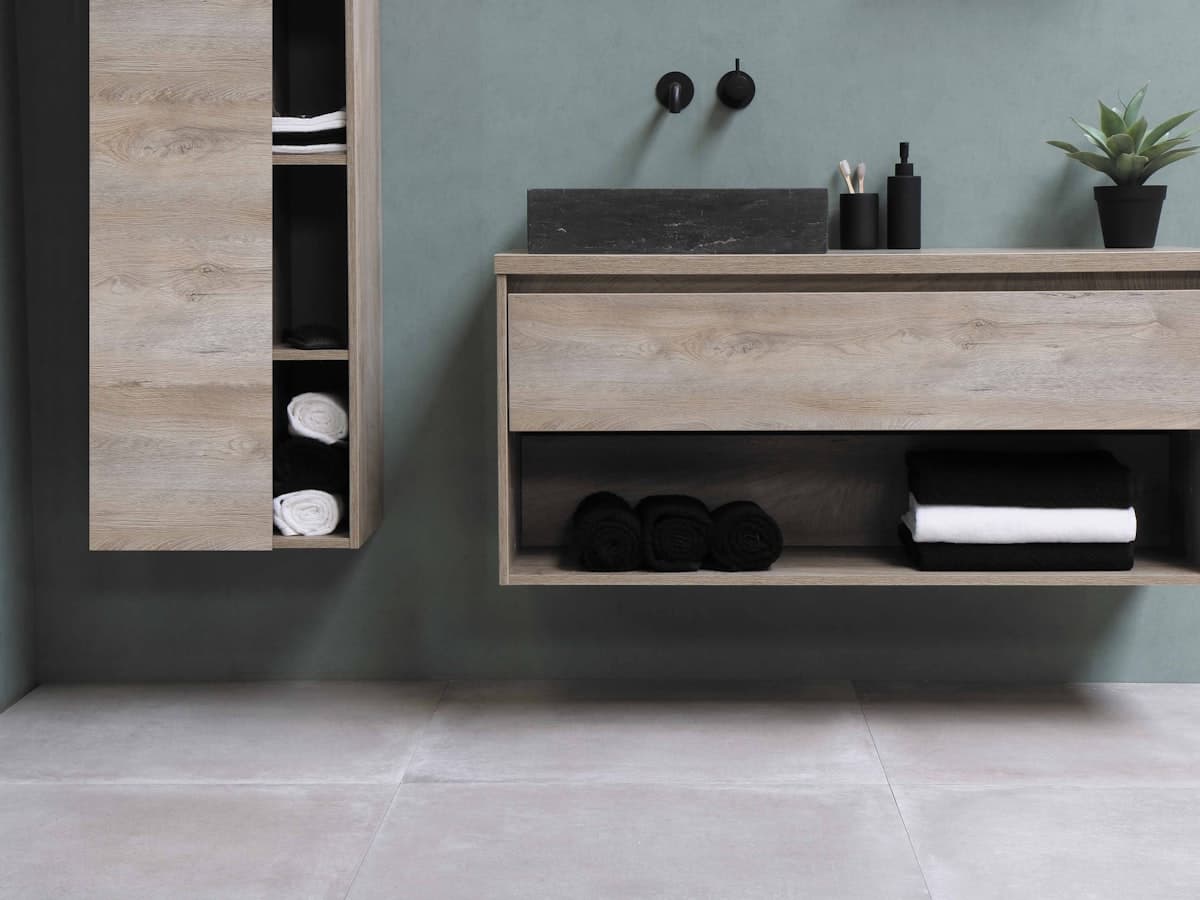
- 01Sort Drawers by TaskGroup utensils and tools by how you use them rather than by type, so the right one is easy to find.
- 02Use Vertical SpaceWall-mounted shelving or hooks can free up counter and cabinet space for everyday items.
- 03Reserve Prime CabinetsKeep the cabinets closest to your prep area for the items you reach for most often.
- 04Edit the Pantry RegularlyRemove what's expired or unused so the storage you have keeps working for what you actually cook.
RoomMinded Tip
Before adding another organizer, look at what's actually crowding your countertops. Solving that specific problem usually does more than buying more storage.Explore Storage Ideas
04 · Light the Work Areas
Let Good Lighting
Support the Work.
Lighting affects how safe and comfortable a kitchen feels to work in more than almost any other choice you'll make.
Make sure the counters where you actually chop, cook and clean have focused task light, then layer in softer ambient light for the rest of the room and the dining area. Avoid a single harsh overhead fixture trying to do every job at once.
The goal isn't to light every corner equally. It's to give the work areas the light they need and let the rest of the room feel comfortable around them.
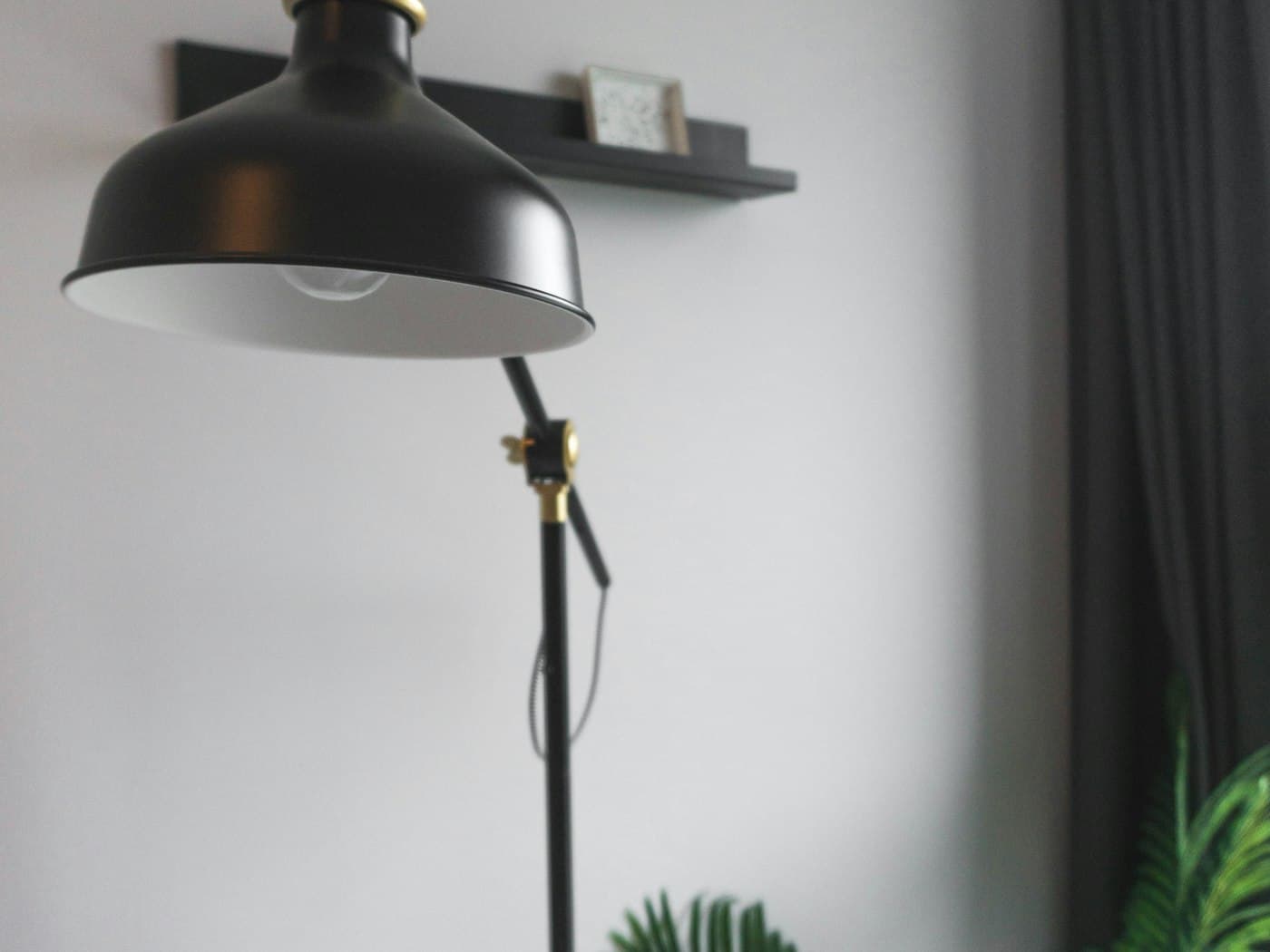
- 01Light the Counter, Not Just the RoomUnder-cabinet or focused task lighting over the main prep area makes chopping and cooking safer and easier.
- 02Layer Ambient and Task LightCombine general room light with focused light over work surfaces rather than relying on one fixture.
- 03Soften the Dining AreaA warmer, dimmable light over the table can make the same room feel right for both cooking and eating.
- 04Avoid Casting Shadows on YourselfPosition task lighting so you aren't working in your own shadow at the counter or stove.
RoomMinded Tip
If your kitchen only has one overhead light, add a small task light over your main prep counter before anything else. It's one of the most useful changes you can make.Explore Lighting Ideas
05 · Keep Everyday Essentials Within Reach
Put What You Use
Where You Use It.
The items you reach for every day — everyday plates, favorite mugs, the utensils you actually use — work best when they're stored close to where they're used, not tucked away for the sake of tidiness.
Keep those essentials within easy reach of the stove, sink or coffee station, and move less frequently used items further out. It's a small change that removes a surprising amount of everyday friction.
This isn't about adding more storage. It's about organizing what you already have around your actual routine.
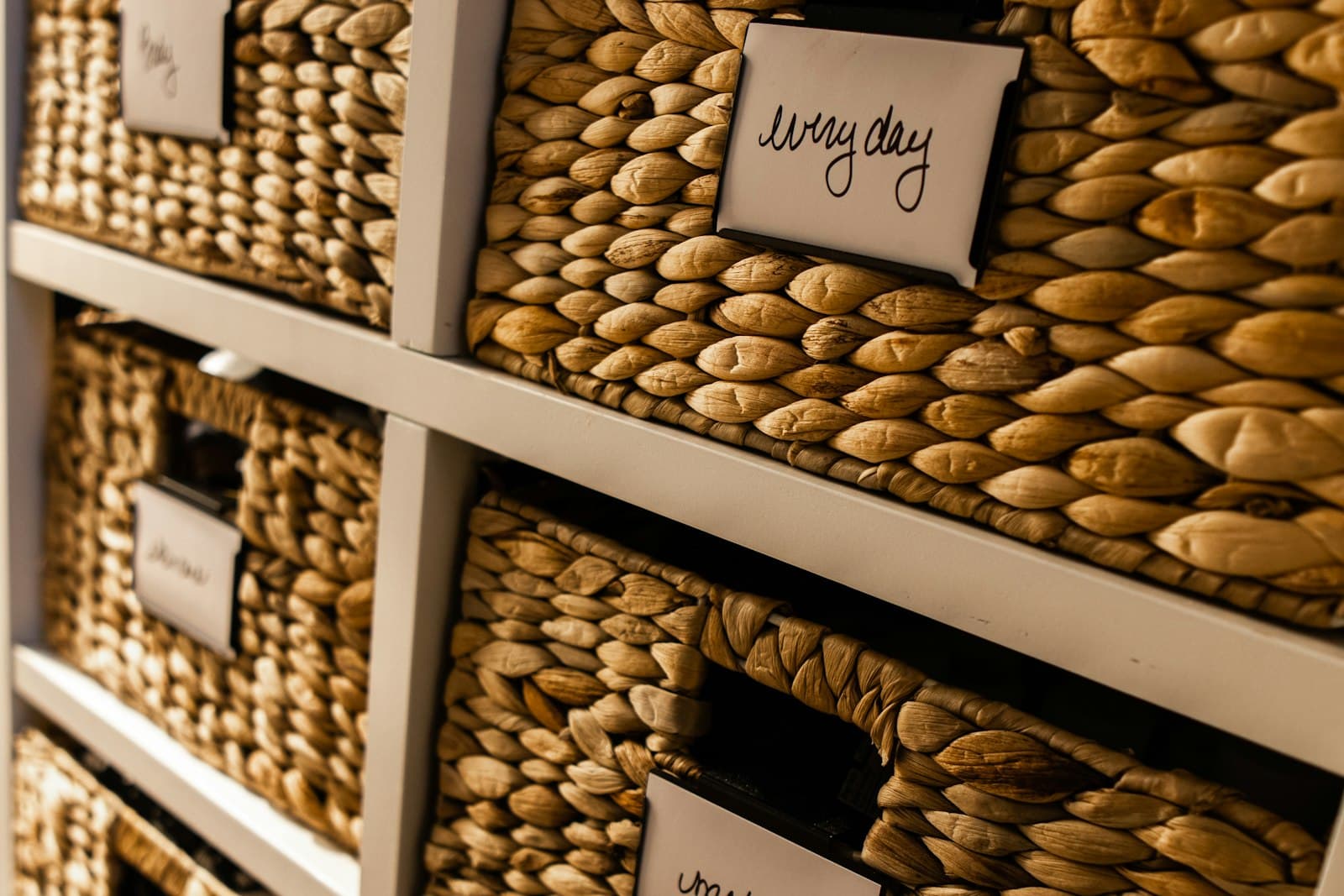
- 01Store by FrequencyKeep the items you use daily in the easiest-to-reach spots, and move occasional items further away.
- 02Place Essentials Near Their UseStore mugs near the kettle, cooking utensils near the stove and everyday dishes near the table.
- 03Avoid Over-OrganizingA simple system you'll actually maintain works better than an elaborate one that adds extra steps.
- 04Reduce Unnecessary MovementNotice which items require the most steps to reach, and see if they can move closer to where you use them.
RoomMinded Tip
Move your three most-used items — a mug, a knife, a pan — to the closest, easiest spot to your main routine. Small relocations like this add up over a week of everyday use.
06 · Make the Kitchen Easy to Live With
Finish With
What Works Every Day.
Once the workflow, furniture, storage and lighting are working well, the last step is making the kitchen easy to keep that way.
Choose durable, easy-to-clean materials for the surfaces you use most, keep countertops mostly clear and let manageable clutter — not a spotless showroom — be the standard you're aiming for.
A kitchen that's easy to live with isn't an empty one. It's one where everyday cooking, cleaning and eating all feel a little easier than they did before.
- 01Choose Durable SurfacesPick countertop and cabinet materials that hold up to daily use and are genuinely easy to wipe down.
- 02Keep Counters Mostly ClearLeave enough open surface for the everyday tasks that actually happen there.
- 03Clean as You GoA few small habits during cooking make the final cleanup far less of a chore.
- 04Aim for Manageable, Not PerfectA kitchen that works every day will have some visible use — that's a sign it's actually being lived in.
RoomMinded Tip
A kitchen doesn't need to be spotless to work well. Once the workflow, storage and lighting are right, a little everyday clutter is easy to live with.
Ready to Make It Your Own?
Explore a few thoughtfully chosen kitchen pieces that can help put these ideas into practice.
Explore Kitchen PicksRoomMinded Picks
Useful Pieces
for a Better Kitchen.
A considered selection of storage, lighting and dining pieces that can help make your kitchen more organized, functional and easier to cook in.

STORAGE
Stackable Storage Basket
A stackable basket with a clip-on lid that keeps pantry items, linens or everyday tools organized inside a cabinet or on open shelving.
$XX
View Product
WALL-MOUNTED STORAGE
Floating Shelves, Set of 4
Wall-mounted shelves that display everyday dishware or add pantry overflow storage, without using any counter or floor space.
$XX
View Product
PRACTICAL DINING
Folding Dining Table
A lightweight table that seats two for everyday meals and folds flat for storage when it isn't needed, keeping the path to the counters clear.
$XX
View Product
SMALL-SPACE STORAGE
Slim Storage Cabinet
A narrow-footprint cabinet for pantry items or linens that would otherwise crowd the counter, sized to fit a tight kitchen gap.
$XX
View ProductRoomMinded may earn a commission when you purchase through links on this page, at no additional cost to you.
Explore All Kitchen PicksKeep Exploring
More Ideas
for a Better Kitchen.
Continue exploring practical RoomMinded guides for layout, storage, lighting and making the most of the kitchen you have.
Small Spaces
How to Make a Small Room Feel Bigger
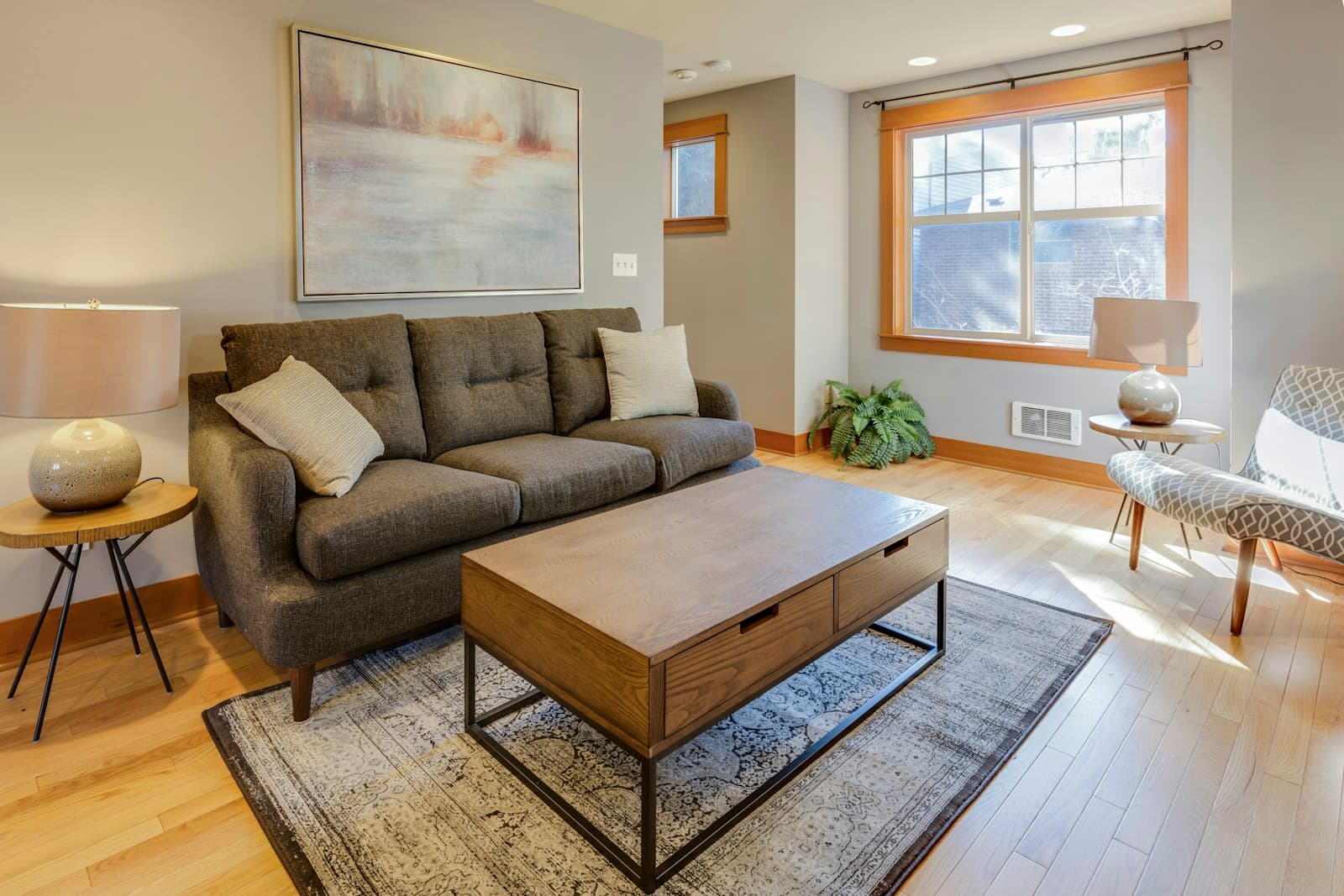
Discover practical small room ideas for better layouts, space-saving furniture, smarter storage and lighting that can make your home feel more open and comfortable.
Read GuideRenter-Friendly
Renter-Friendly Decorating Ideas That Don't Risk Your Deposit
Ways to make a rented home feel more like yours — lighting, storage and decor you can take with you, without drilling into walls your lease says to leave alone.
Read Guide
Bedroom
Bedroom Organization Ideas That Actually Work
Practical, low-effort ways to organize a bedroom — from the closet to the nightstand — so tidying up stays easy instead of becoming a weekend project.
Read GuideGood to Know
Kitchen
Questions, Answered.
A few practical answers to common questions about organizing a kitchen that's easier to cook in, clean and live with every day.
Start with your actual routine rather than a general rule. Keep the items you use daily — everyday dishes, common utensils, frequently used pans — closest to where you use them, and move occasional items further out.
Keep the main path between the fridge, stove and sink as clear as possible, choose furniture that can be moved or tucked away, and avoid letting countertop clutter narrow the space you actually walk through.
Storage that matches how you actually cook tends to work best — drawers sorted by task, vertical shelving for items you don't need constantly, and prime cabinet space reserved for what you reach for most.
Identify what's actually taking up counter space, then give each item a specific home in a drawer, cabinet or shelf. Keep only what you use daily out on the counter itself.
A layered approach usually works best: focused task light over prep and cooking areas, softer ambient light for the rest of the room, and warmer, adjustable light over the dining area.
Choose durable, easy-to-wipe surfaces where you can, build a few small clean-as-you-go habits while cooking, and keep countertops mostly clear so a quick wipe-down actually works.
Make Your Kitchen Work for You
Create a Kitchen
That Works With Your Routine.
Make everyday cooking, storage and cleaning easier with practical choices that fit the way you actually use your kitchen.
Thoughtful spaces start with what matters most.