
Bedroom Organization Ideas That Actually Work
Practical, low-effort ways to organize a bedroom — from the closet to the nightstand — so tidying up stays easy instead of becoming a weekend project.
In This Guide
Organized Doesn't Have to Mean Perfect.
Most bedrooms don't stay tidy because the system asks too much of you on an ordinary Tuesday. A shelf that requires folding everything just so, or a drawer that's already full, gets skipped — and the pile on the chair grows back within a week.
This guide focuses on organization that survives real use: sorting what you actually wear, giving each category a specific place, using the vertical and under-bed space you're already paying for, and keeping the two surfaces you touch every day — the nightstand and the dresser top — clear on purpose.
None of it requires new furniture as a starting point. Most bedrooms can get noticeably calmer with what's already in the room, rearranged with intent.
01 · Start With What You Actually Wear
Sort Before You Store.
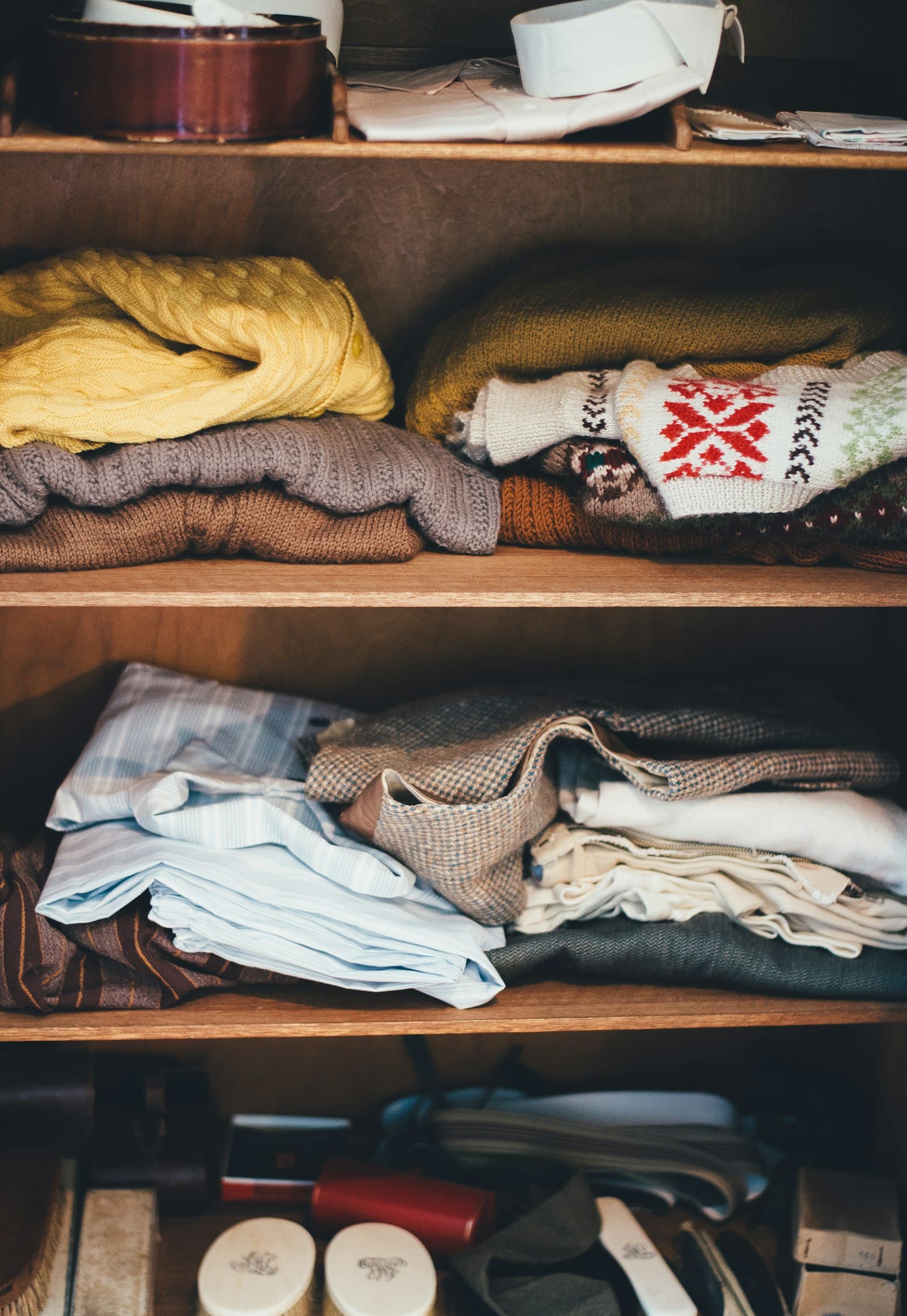
Before buying any storage, take everything out of the closet and drawers and sort it into what you actually wear, what you wear occasionally, and what you haven't touched in a year. This single step usually does more for a cluttered bedroom than any organizer.
Organizing around clothes you no longer wear just gives clutter a tidier home. Bag up anything genuinely unworn for donation before you organize what's left — you'll need less storage than you think once the pile is honest.
Keep what's left roughly in three groups by how often you reach for it: everyday, seasonal, occasional. That grouping is what decides where each item goes next, not how it looks folded.
- 01Sort Before You OrganizeTake everything out and group it by how often you actually wear it, not by category alone.
- 02Be Honest About Unworn ItemsIf it hasn't been worn in a year, it's taking up space that could go to something you use.
- 03Group by Frequency of UseEveryday, seasonal and occasional items each belong in a different level of accessibility.
- 04Don't Buy Storage FirstSort what you're keeping before deciding what containers or systems you actually need.
RoomMinded Tip
You can't organize your way around too many things — sorting comes first.
02 · Closet and Drawer Systems
Give Every Category Its Own Zone.
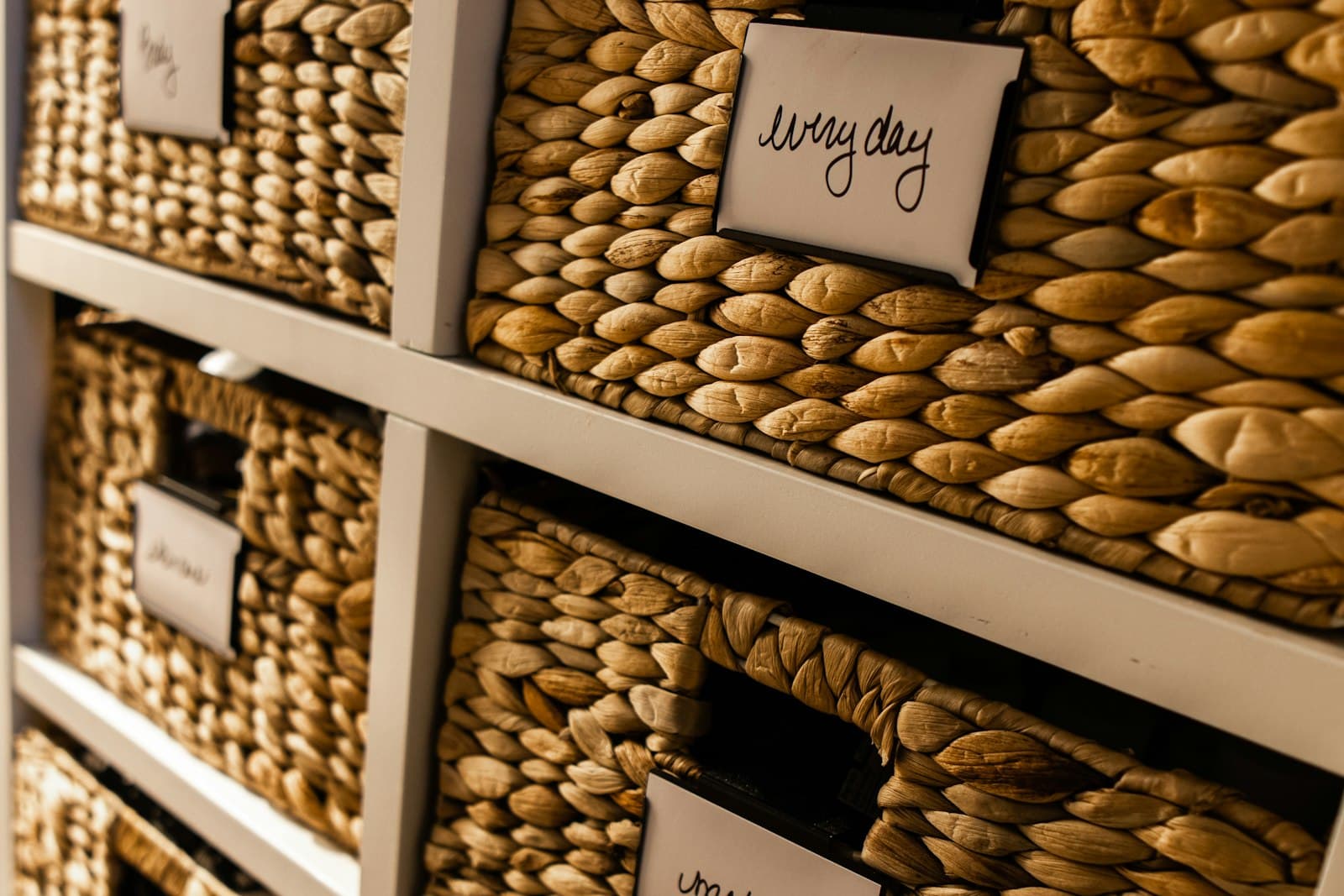
Once you know what you're keeping, give each group a fixed spot rather than a general area. Everyday clothes go where you can reach them without thinking; seasonal items move to a higher shelf or under-bed storage until the weather changes.
Drawer dividers or small baskets inside a drawer keep smaller items — socks, underwear, accessories — from becoming a pile you dig through every morning. A cluttered top drawer is often the first thing that makes a whole dresser feel disorganized, even when every other drawer is fine.
If floor space is genuinely tight, a narrow cabinet can hold an extra layer of folded items without needing a full second dresser — see storage and organization ideas for more ways to add capacity without adding bulk.
- 01Give Categories Fixed HomesAssign each type of clothing its own shelf, drawer or section so putting things away stays quick.
- 02Keep Everyday Items ReachableStore what you wear most at eye or hand level; move seasonal items further away.
- 03Use Drawer DividersSmall dividers or baskets stop a drawer's contents from turning into one loose pile.
- 04Add a Narrow Cabinet if NeededA slim freestanding unit can add a layer of storage without taking over the room.
RoomMinded Tip
A system only works if putting things away is as easy as taking them out.
03 · Under-Bed and Vertical Space
Use the Space You're Already Paying For.
The area under the bed and the wall space above the dresser are often the most underused parts of a bedroom. Both can hold real storage without shrinking the floor space you actually walk through.
Flat under-bed boxes work well for out-of-season clothing, spare bedding or items you only need a few times a year. Wall-mounted shelving above a dresser or desk adds display and light storage without needing extra floor footprint — the same idea covered in more depth in how to make a small room feel bigger.
The mistake to avoid is using under-bed space for things you need often — if you're getting on the floor weekly to dig something out, it belongs somewhere more accessible instead.

Solves This
Set of 4 Latitude Floating Shelves
Useful for adding display or light storage above a dresser or desk, putting this guide's vertical-space section into practice without taking up any floor area.
£12.99 · Shop This Pick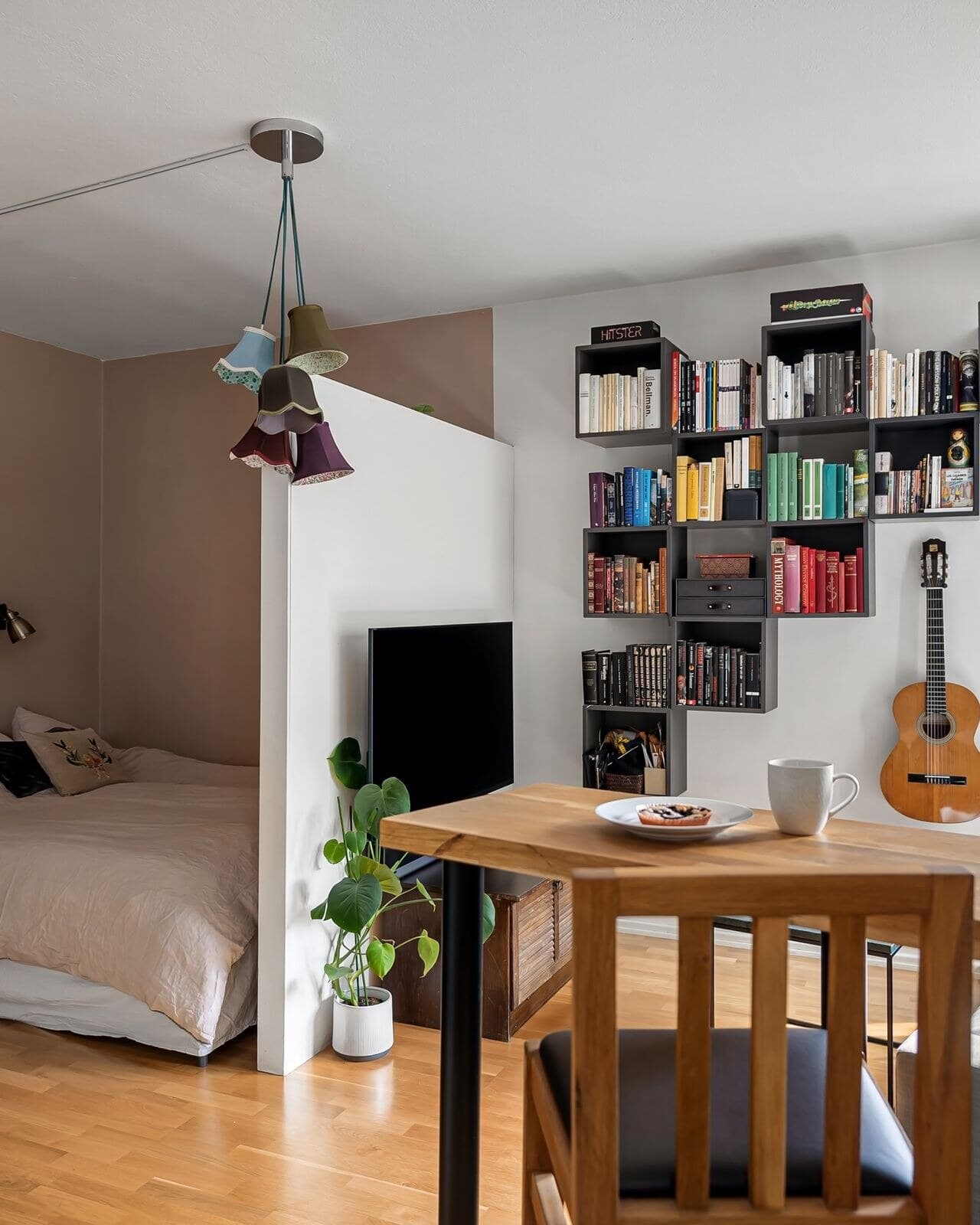
- 01Use Flat Under-Bed StorageBoxes or bags built for under-bed use suit out-of-season clothing and spare bedding well.
- 02Add Wall-Mounted ShelvingShelves above a dresser or desk add storage and display space without using floor area.
- 03Reserve Under-Bed for Occasional ItemsKeep daily essentials somewhere easier to reach than under the bed.
- 04Measure Before You BuyUnder-bed clearance varies a lot by bed frame — measure before buying storage sized for it.
RoomMinded Tip
The space under the bed is storage you're already paying rent or a mortgage on.
04 · Keep the Surfaces Clear
Protect the Nightstand and the Dresser Top.
The nightstand and the top of the dresser are the two surfaces most likely to collect loose change, chargers, mail and half-finished glasses of water. Once one item lands without a home, more tend to follow.
Give each surface a genuine limit — a lamp, a small tray for the few things you actually use before bed, and nothing else by default. A tray works because it turns 'anywhere on the surface' into one contained, easy-to-tidy spot.
This is the smallest change in this guide and often the one that makes the room feel calmest day to day, since these are the surfaces you see every morning and every night.
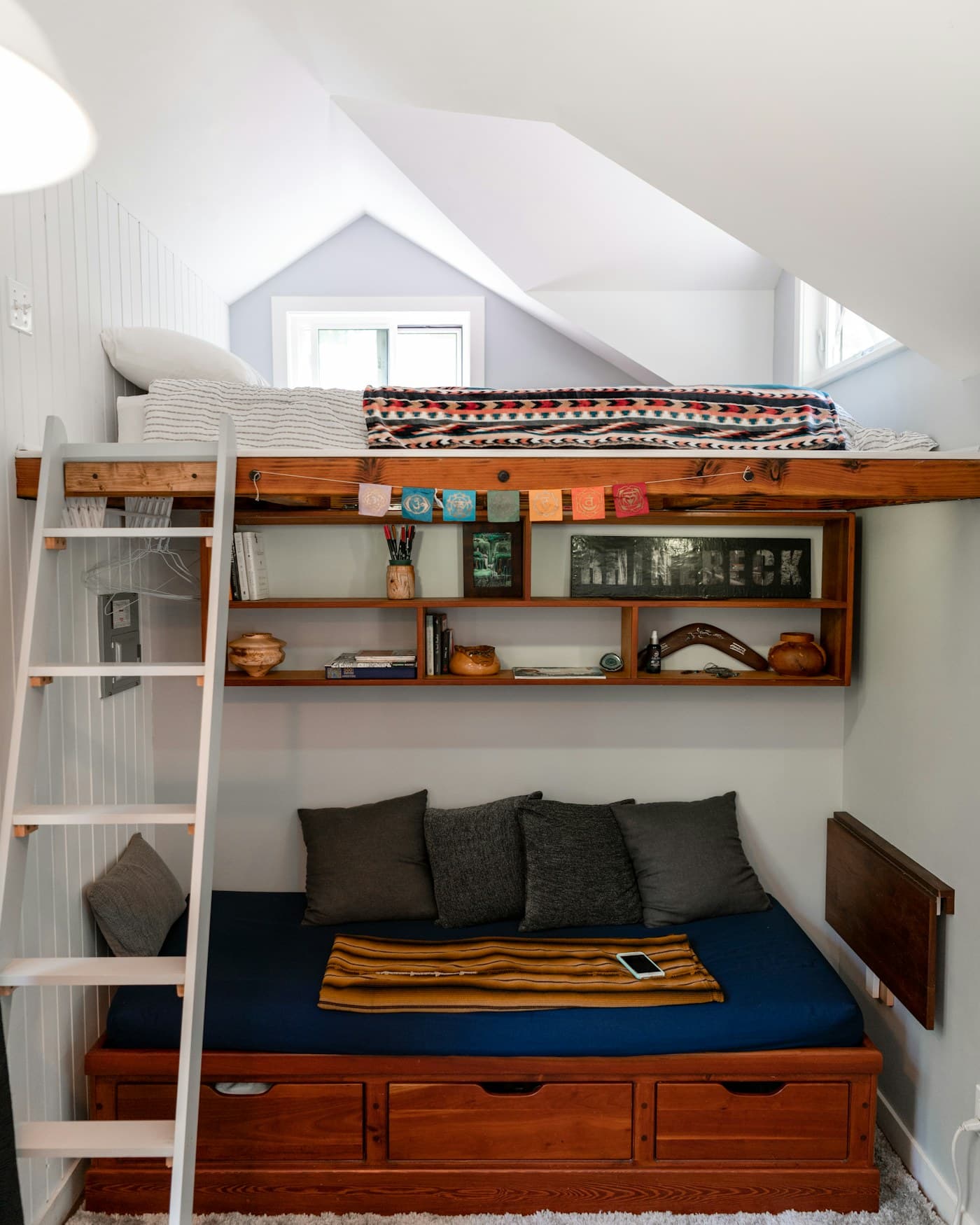
Take This With You
- 01Set a Limit for Each SurfaceDecide what's allowed to live on the nightstand and dresser, and keep the rest to storage.
- 02Use a Tray to Contain Small ItemsA tray keeps everyday items — keys, chargers, jewelry — from spreading across the whole surface.
- 03Deal With Mail and Loose Items WeeklyA five-minute weekly reset stops small clutter from becoming a permanent pile.
- 04Keep the Lamp and One Personal ItemA clear surface with one or two intentional items reads as calmer than an empty one that never stays that way.
RoomMinded Tip
A clear nightstand is a small thing that changes how the whole room feels.
Next·Keep Building a Calmer Home
RoomMinded Picks
A Few Things That
Make Bedroom Storage Easier.
Practical products for sorting, storing and containing the everyday items a bedroom collects.

STORAGE
Strata 21L Urban Storage Basket with Lid, Cool Grey
A lidded basket that suits a closet shelf or the top of a wardrobe for seasonal clothing — stackable, so you can add a second one later without losing floor space.
£6.99
View Product
STORAGE
VonHaus Seagrass Storage Baskets, Set of 4
A set of four open baskets that work well on closet shelving or inside a dresser for accessories, scarves or anything you'd rather not fold. Best for items you don't need to see at a glance.
£22.99
View ProductSTORAGE
Set of 4 Latitude Floating Shelves
Useful for adding display or light storage above a dresser or desk, putting this guide's vertical-space section into practice without taking up any floor area.
£12.99
View Product
BATHROOM
VonHaus Victoria Slim Bathroom Storage Cabinet
A narrow freestanding cabinet that can hold an extra layer of folded clothing or linens in a bedroom where the closet alone isn't enough. Suits awkward gaps rather than a room's main storage.
£49.99
View ProductThese are curated recommendations. If you purchase through one of our links, RoomMinded may earn a commission at no extra cost to you.
Keep Exploring
More Ideas for
Better Spaces.
A few more practical RoomMinded guides worth reading next.
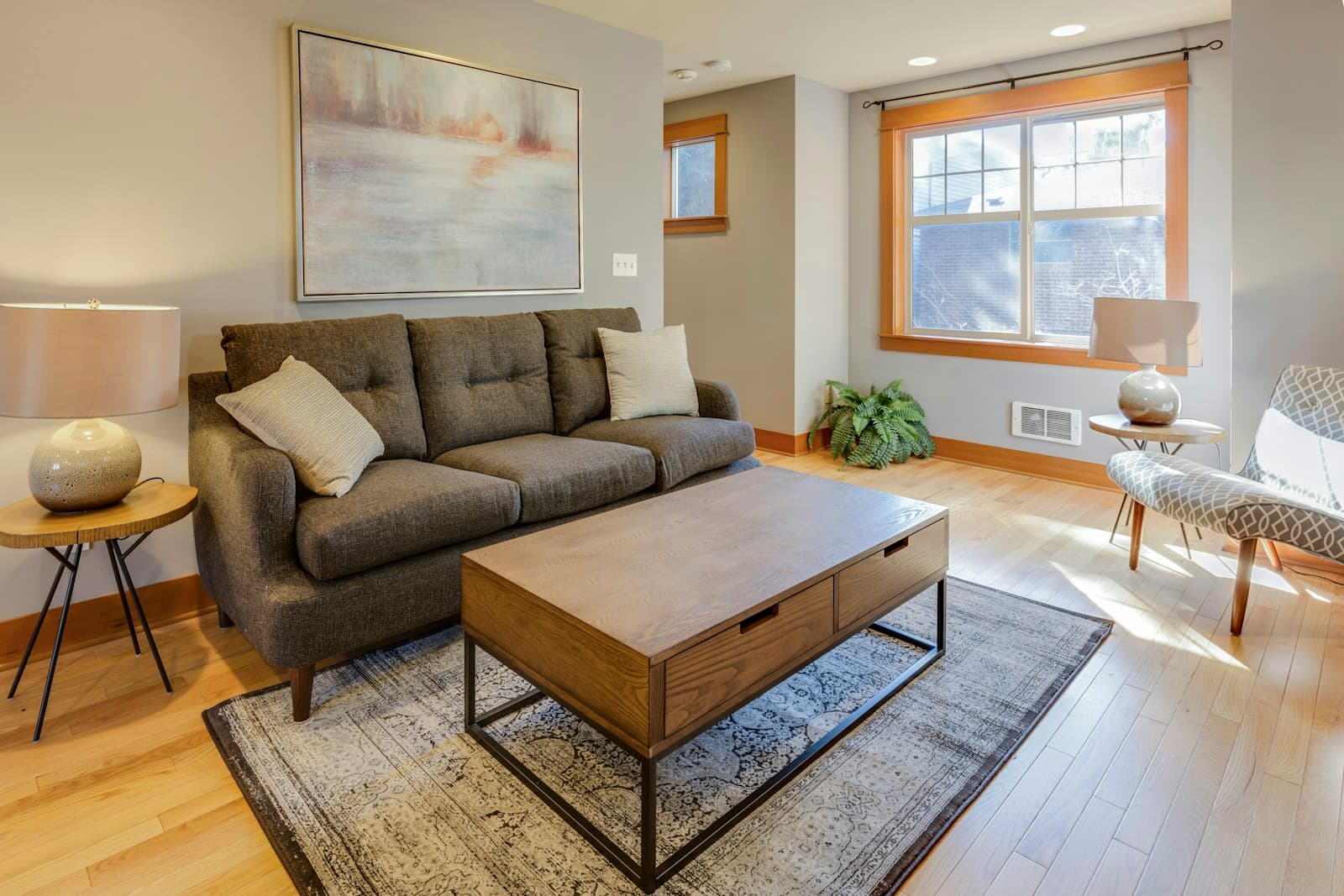
Small Spaces
How to Make a Small Room Feel Bigger
Discover practical small room ideas for better layouts, space-saving furniture, smarter storage and lighting that can make your home feel more open and comfortable.
Read Guide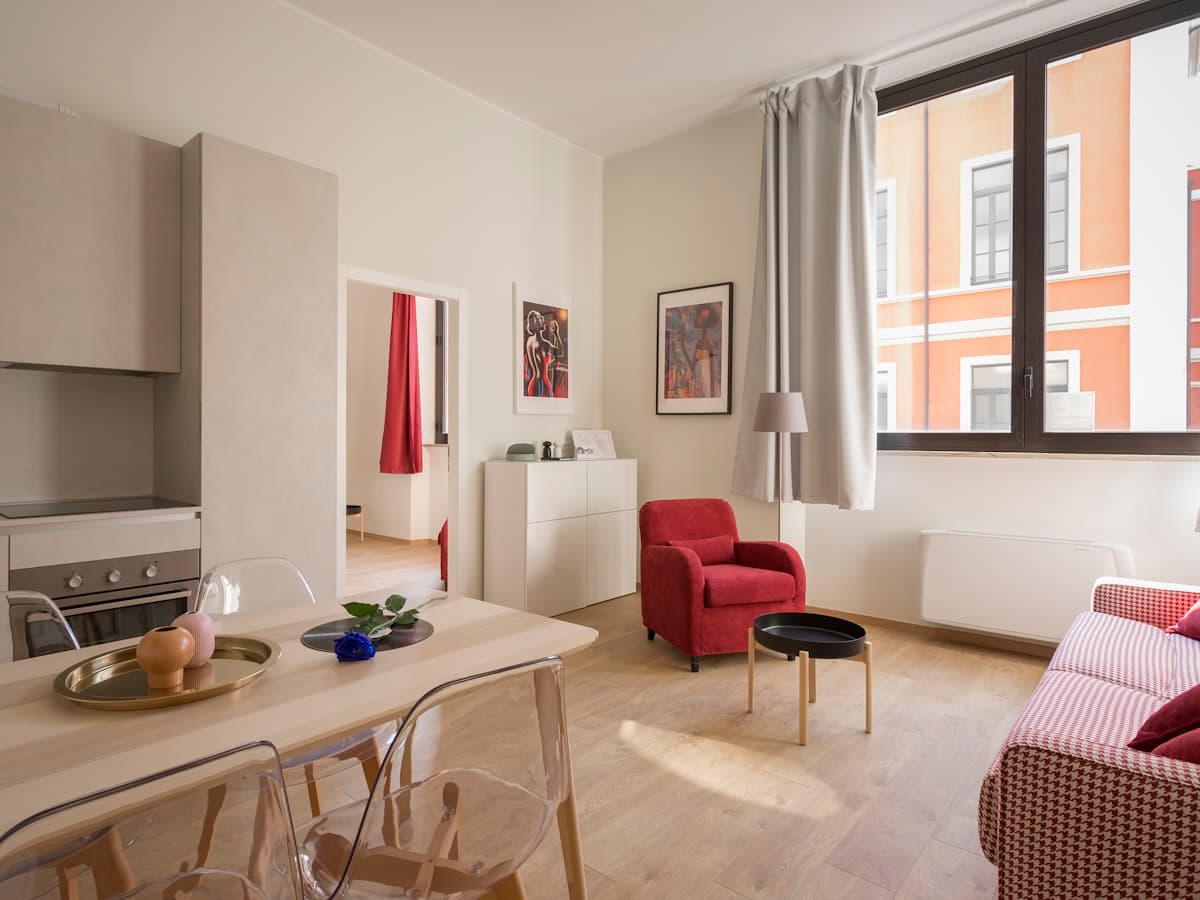
Renter-Friendly
Renter-Friendly Decorating Ideas That Don't Risk Your Deposit
Ways to make a rented home feel more like yours — lighting, storage and decor you can take with you, without drilling into walls your lease says to leave alone.
Read GuideBetter Lighting
Bedroom Lighting Ideas for a Small Apartment
Practical bedroom lighting ideas for a small apartment — a bedside lamp instead of one overhead fixture, warmer light for winding down, and rental-friendly options for a dark corner or the wall beside the bed.
Read GuideGood to Know
Questions You
Might Have.
A few practical answers to common questions.
Start by sorting, not storing. Take everything out of the closet and drawers, decide what you actually wear, and only then figure out where it should go.
Not usually. Drawer dividers, baskets and better use of existing shelving can make a real difference before you need to buy a new piece of furniture.
Yes, for items you don't need often — spare bedding, out-of-season clothing. Avoid using it for things you need to reach every week.
Set a clear limit for what's allowed to stay there and use a small tray to contain the few things you do keep out.
Twice a year, around each seasonal changeover, is usually enough to keep a closet from slowly filling back up.
Keep Making Your Space Work Better
Ready to Make
Your Space Work Better?
Explore more practical room ideas, smart solutions and thoughtfully chosen products for real homes and everyday living.