
Better Lighting
Light a Room
on Purpose.
Layer ambient, task and accent lighting to shape how a room feels — from a brighter morning to a calmer, warmer evening.
 Solution Guide
The Principle
Light Shapes
How a Room Feels.
Most rooms are lit by accident — a single ceiling fixture, switched on or off, doing every job at once. That single source rarely suits every activity or every time of day, which is why so many rooms feel either too harsh or too dim depending on when you're in them.
Good lighting is layered. Ambient light fills the room generally, task light supports a specific activity, and accent light adds depth and mood. Used together, even a modest budget of lamps can do more than an expensive single fixture ever could.
None of this requires an electrician. Placement, bulb choice and a handful of plug-in fixtures can transform how a room reads from morning to evening.
Layered Light
Combine ambient, task and accent lighting rather than relying on one source.
Natural Light
Work with the daylight a room already gets before adding anything artificial.
Functional Zones
Give work areas and reading spots light that actually supports what happens there.
Evening Atmosphere
Shift a room's mood after dark with warmer, dimmer, more deliberate light.
01 · Start With the Natural Light
Work With
the Light You Already Have.
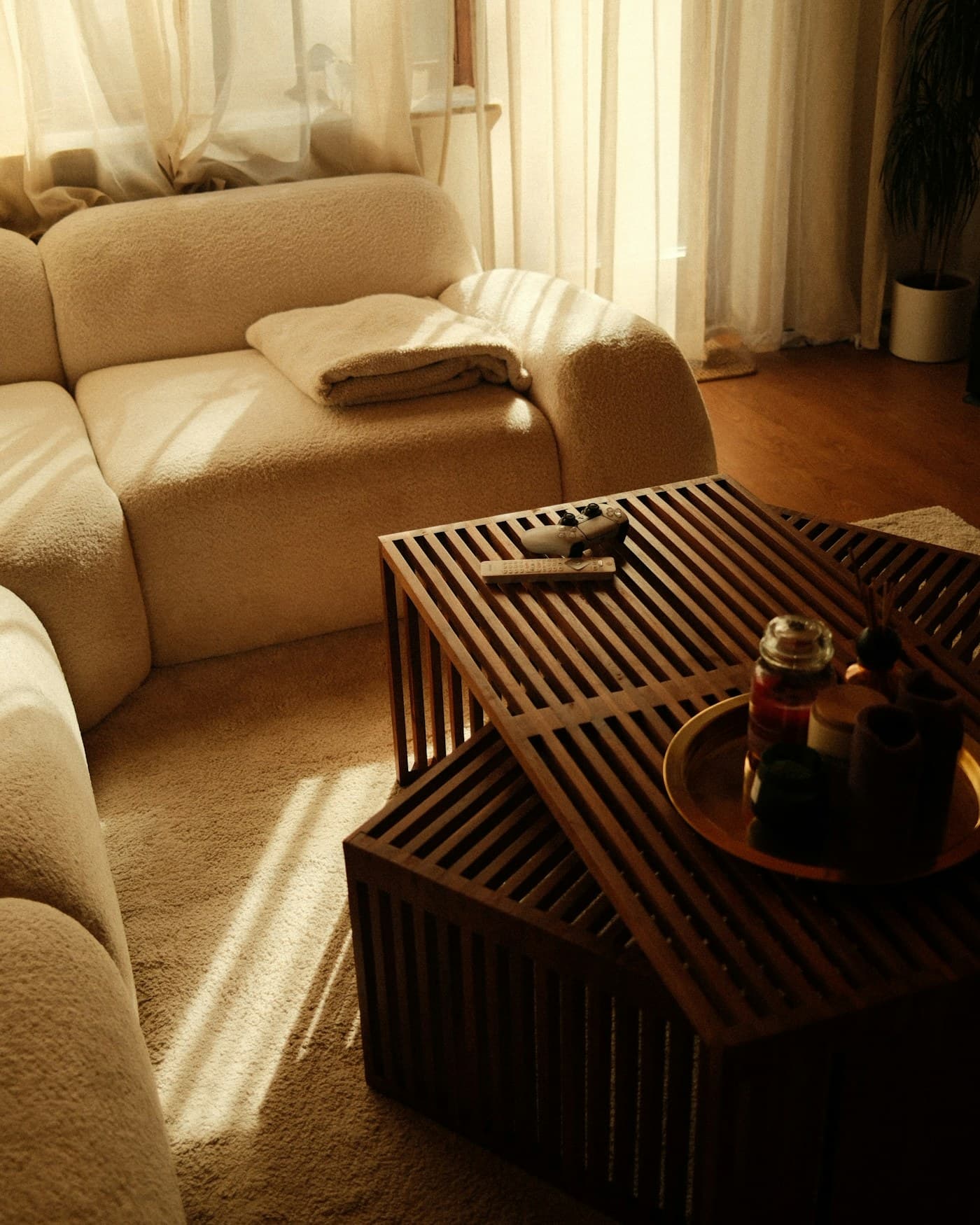
Before adding a single fixture, spend a day noticing how natural light actually moves through the room — which windows get direct sun, which corners stay dim, and how that changes from morning to evening.
Sheer curtains, lighter window treatments and mirrors placed to reflect daylight can all stretch natural light further into a room without adding anything artificial. A mirror opposite a window is one of the simplest ways to make a room feel brighter.
Artificial lighting works best when it's planned around what natural light already leaves unsolved, rather than duplicating light a room already gets for free during the day.
- 01Track the Light Through the DayNotice which areas get direct sun and which stay dim before planning any fixtures.
- 02Use Sheer Window TreatmentsLighter curtains let more daylight in while still offering privacy.
- 03Position Mirrors to Reflect DaylightA mirror placed opposite a window bounces natural light deeper into the room.
- 04Plan Artificial Light Around the GapsFocus new fixtures on what natural light doesn't already cover well.
RoomMinded Tip
Before buying any lighting, spend a full day in the room and note when it feels dimmest — that's the window your first new fixture should be solving for.
02 · Layer the Light
One Source
Is Never Enough.
A single overhead light forces a room into one mood at every hour of the day, whether that's what's needed or not. Layering ambient, task and accent light gives a room the flexibility to shift depending on what's actually happening in it.
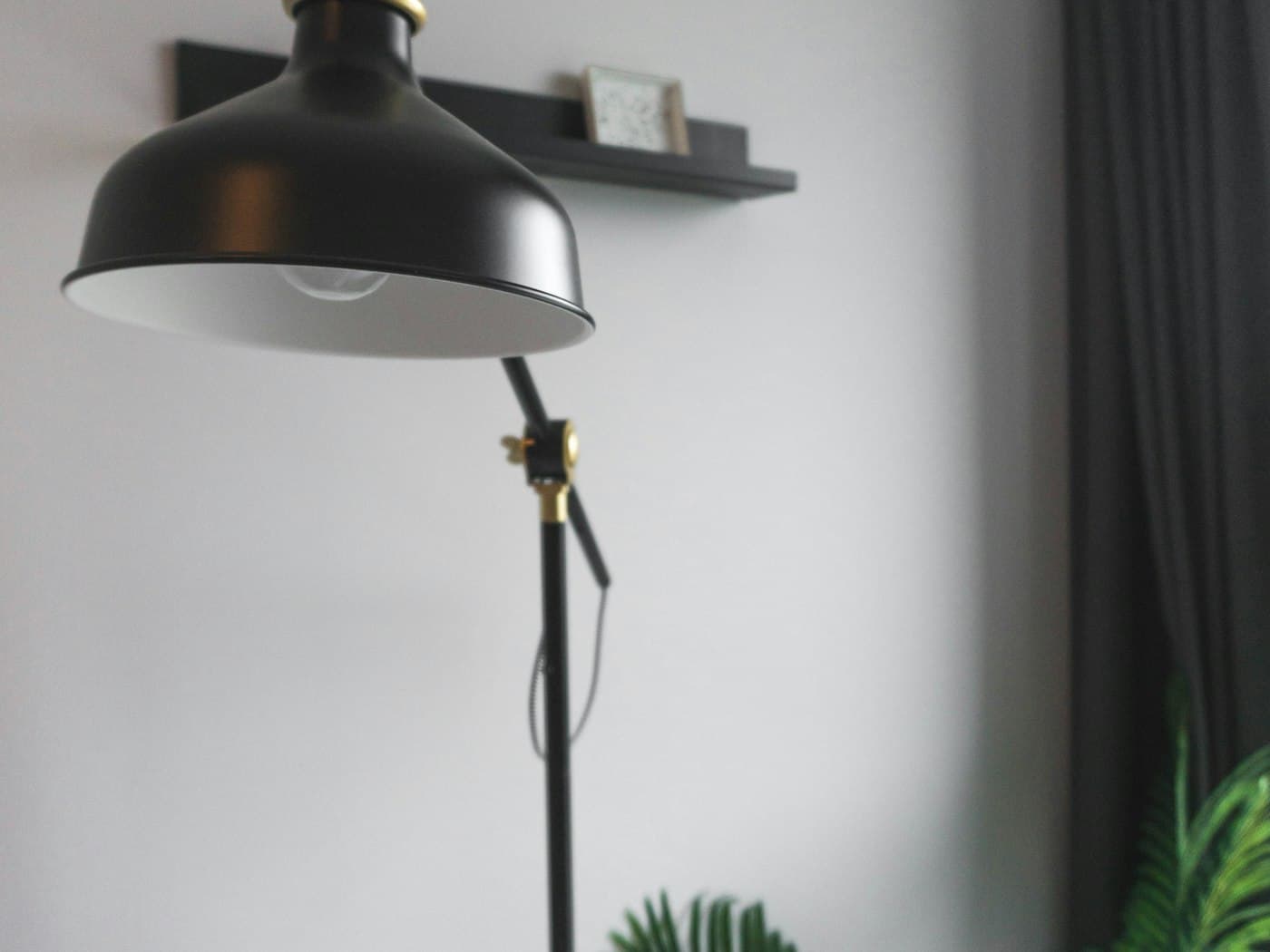
Ambient light — an overhead fixture or a bright floor lamp — sets the room's general brightness. Task light targets a specific activity, like reading or cooking. Accent light adds depth, highlighting a corner, a piece of art or a plant that would otherwise disappear into flat, even lighting.
The goal isn't to add more light overall — it's to add the right light in the right place, so each layer can be switched on independently depending on the moment.
- 01Cover the Three LayersAim for at least one ambient, one task and one accent source in a room's main areas.
- 02Put Each Layer on Its Own SwitchIndependent controls let you use only the light a moment actually calls for.
- 03Reserve Overhead Light for General UseA single ceiling fixture works best as the ambient layer, not the only layer.
- 04Add Accent Light LastOnce ambient and task light are covered, use accent lighting to add depth and mood.
RoomMinded Tip
If a room only has one light switch, that's usually the clearest sign it's missing at least two of the three lighting layers.
03 · Brighten the Dark Corners
No Corner
Left Behind.
Every room has at least one spot that natural light and the main fixture never quite reach. Left alone, that corner tends to collect clutter — it's harder to notice mess in a spot you can barely see.
A single well-placed lamp can solve a dark corner far more effectively than brightening the whole room. Uplighting a plant or a piece of furniture in that corner adds both light and visual interest to a spot that would otherwise stay flat and forgotten.
Small rooms benefit from this more than large ones — a dark corner in a small room reads as smaller still, while the same corner lit well can make the whole room feel more open.
- 01Find the Room's Darkest SpotIdentify the corner that stays dim regardless of the main fixture and start there.
- 02Use a Single Targeted LampOne well-placed light source often solves a dark corner more efficiently than brightening the whole room.
- 03Try Uplighting a FeatureAngling light upward on a plant or piece of furniture adds interest as well as brightness.
- 04Check the Corner Stays Clutter-FreeA newly lit corner is easier to keep tidy once it's actually visible.
RoomMinded Tip
A dark corner is often the first place clutter quietly builds up — lighting it properly tends to fix both problems at once.
04 · Light the Work Zones
Give Real Tasks
Real Light.
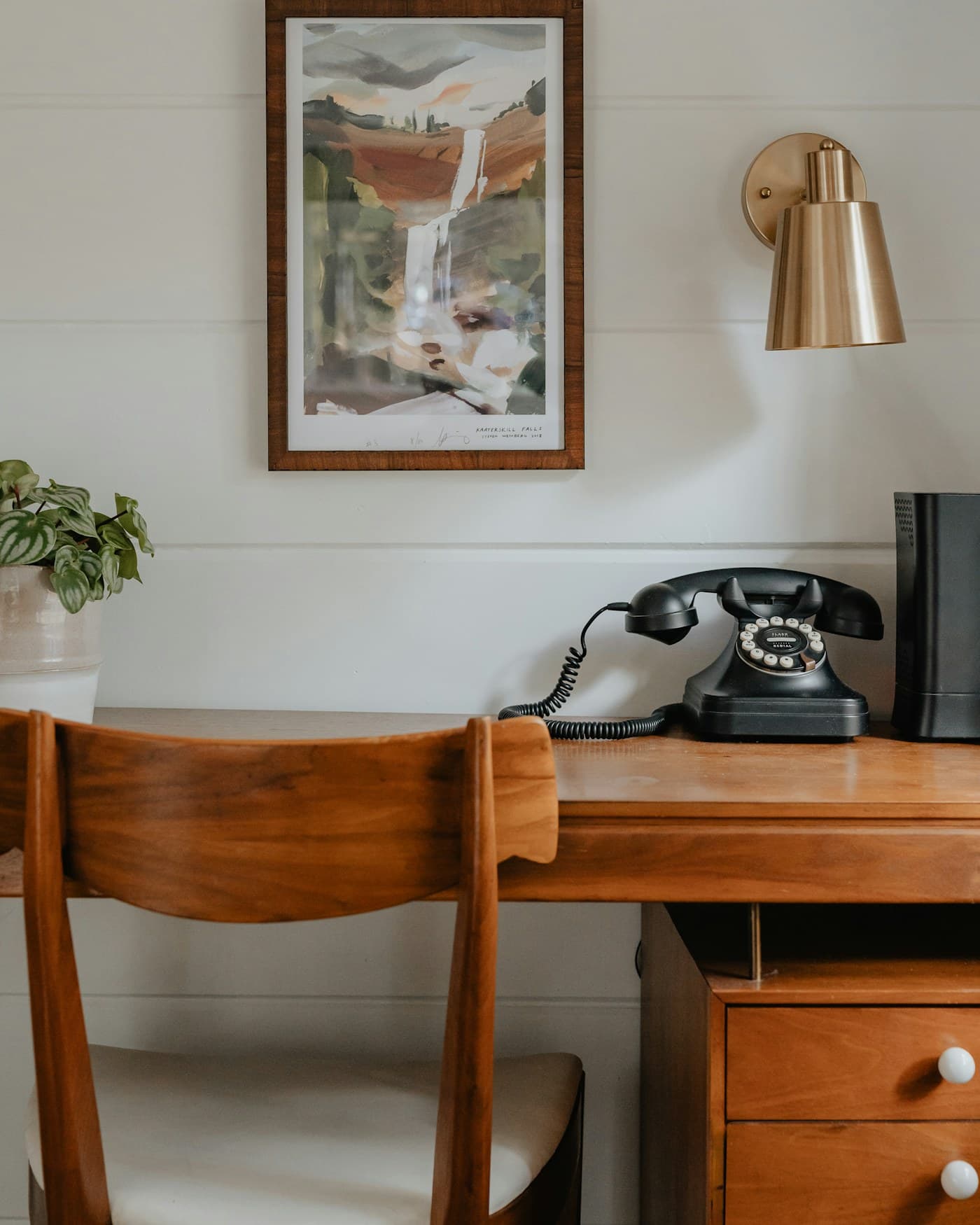
Ambient lighting alone rarely gives a desk, a kitchen counter or a reading chair enough direct light to work comfortably. Task lighting closes that gap by putting focused light exactly where an activity actually happens.
A desk lamp angled to avoid screen glare, under-cabinet lighting over a kitchen counter, or a reading lamp positioned beside rather than behind a chair all remove the need to squint or strain in an otherwise well-lit room.
Position matters as much as brightness. Task light aimed correctly at a lower level often does more for comfort than a stronger overhead bulb ever could.
- 01Match Light to the TaskA desk, counter or reading chair each need direct light aimed at what's actually being done there.
- 02Angle Light to Avoid GlarePosition a desk lamp so it lights the work surface without reflecting into a screen.
- 03Add Under-Cabinet LightingA simple strip under kitchen cabinets adds real task light without a ceiling fixture change.
- 04Light From the Side, Not BehindA reading lamp beside a chair avoids the shadow a light placed directly behind one creates.
RoomMinded Tip
If you find yourself leaning closer to see while reading or working, that's task lighting missing from the setup — not a sign you need reading glasses.
05 · Use Light to Shape the Room
Light Draws
the Eye on Purpose.
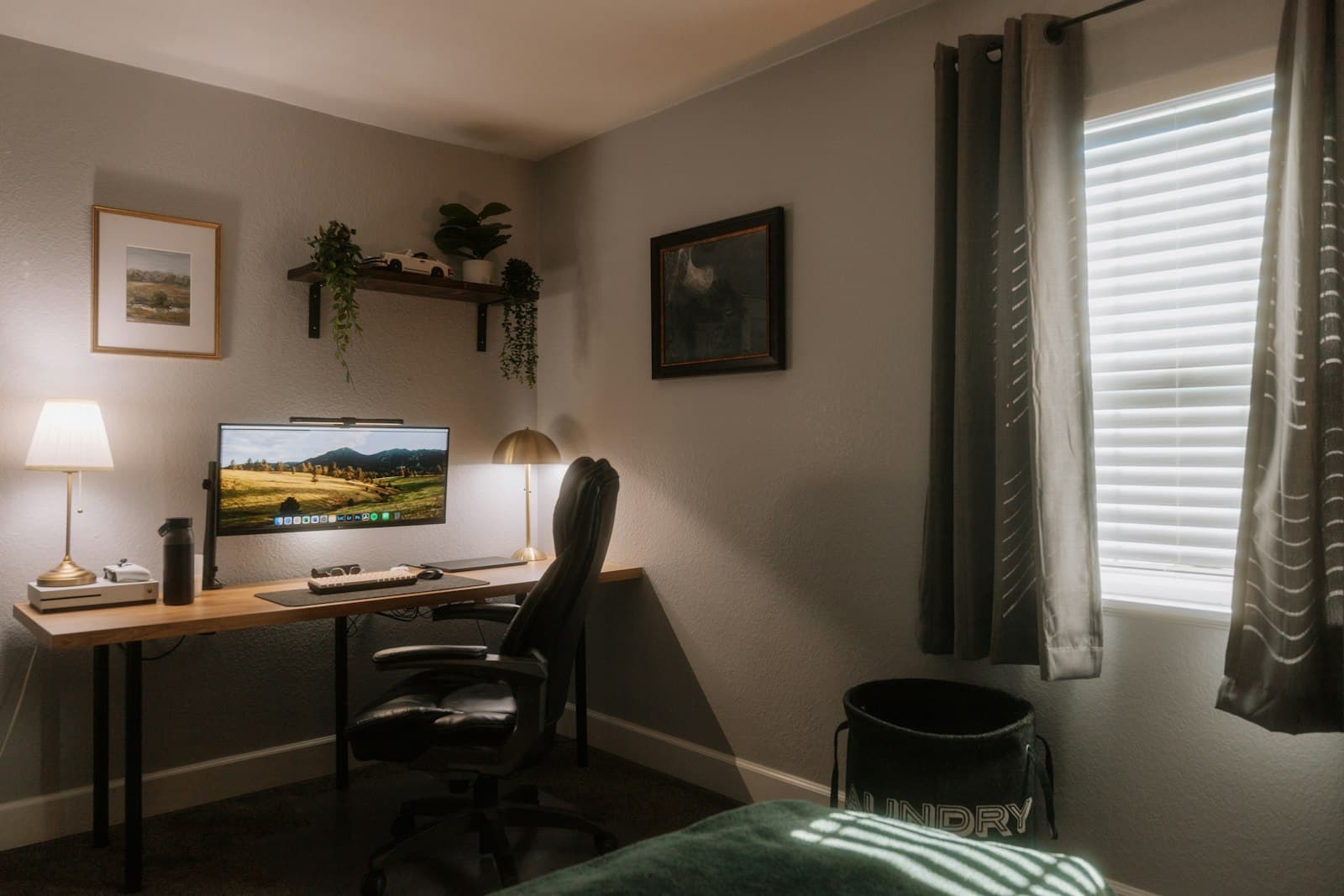
Lighting doesn't just illuminate a room — it directs attention. A well-lit feature, whether it's art, a plant or an architectural detail, becomes the visual anchor of a room, while everything around it recedes slightly.
Uneven, deliberate lighting almost always reads as more considered than flat, even brightness across the whole room. A room lit entirely by one overhead source has nowhere for the eye to land; one with a few varied light sources feels layered and intentional.
This is also where lighting can visually adjust a room's proportions — a floor lamp in a far corner can pull the eye toward it and make a room feel longer, while wall-washing light can make a low ceiling feel taller.
- 01Light a Feature DeliberatelyAim a light source at art, a plant or a detail worth drawing attention to.
- 02Avoid Perfectly Even BrightnessSome contrast between light and shadow reads as more intentional than flat, uniform light.
- 03Use Light to Stretch a RoomA lamp placed at the far end of a room can pull the eye toward it and add a sense of depth.
- 04Wash Walls to Lift a Low CeilingLight aimed upward along a wall can make a room feel taller than it actually is.
RoomMinded Tip
Try turning off the main overhead light for an evening and relying only on lamps — most rooms immediately feel more intentional, even with the exact same furniture.
06 · Make Evenings Feel Right
Let the Room
Wind Down With You.
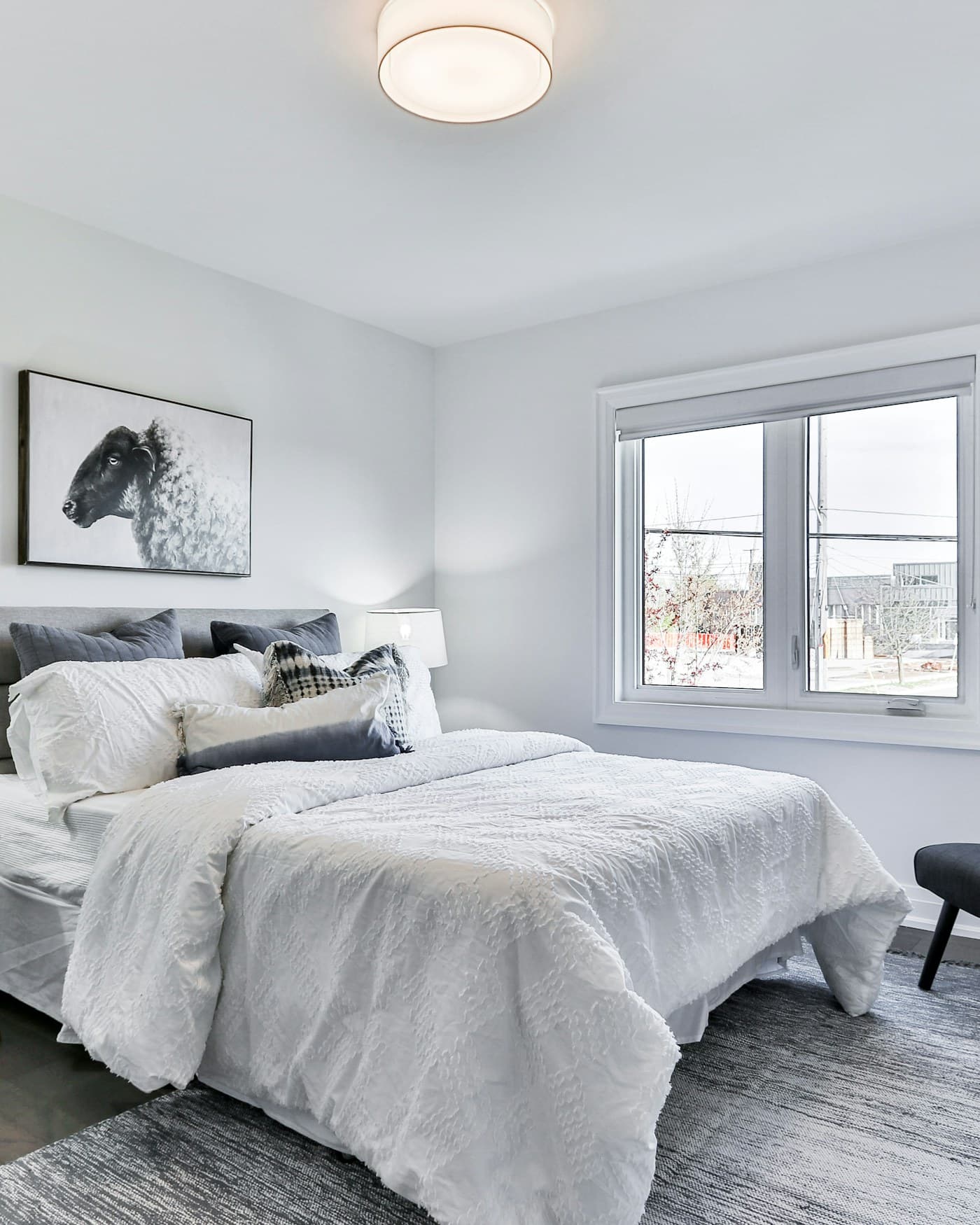
The lighting that works well for a busy afternoon is rarely what a room needs by evening. Bright, cool-toned light keeps a space feeling active; warmer, dimmer light signals it's time to slow down.
Dimmable bulbs and lamps on separate switches make this transition easy — bright ambient light for daytime tasks, then a shift to just one or two warmer, lower sources once evening sets in.
Small, deliberate choices carry a lot of weight here. Candles, a single warm lamp, or dimming the main light by even a small amount can change a room's whole atmosphere without touching anything else in it.
- 01Add Dimmers Where You CanA dimmable bulb or lamp makes it easy to shift a room's brightness as the evening goes on.
- 02Switch to Warmer Sources at NightLower color temperatures feel calmer and more suited to winding down than bright, cool light.
- 03Rely on Fewer Sources After DarkOne or two warm lamps in the evening usually feel more comfortable than full ambient brightness.
- 04Use Small Touches DeliberatelyCandles or a single accent lamp can shift a room's mood without changing anything else.
RoomMinded Tip
If a room still feels like daytime after dark, it's usually still running on daytime lighting — a simple switch to warmer, dimmer sources is often the only change needed.
Ready to Put This Into Practice?
Explore a few thoughtfully chosen lighting picks that can help any room feel more considered.
RoomMinded Picks
Lighting That
Does Its Job Well.
A considered selection of ambient, task and accent lighting that can help any room feel warmer, brighter and more intentional.

AMBIENT
Adjustable Floor Lamp
A flexible source of ambient and task light that adapts to a corner, a reading chair or a desk as needed.
$XX
View Product
AMBIENT
Recycled Glass Table Lamp
A softer, warmer light source suited to evening layers rather than daytime brightness, with a mottled recycled-glass base.
$XX
View Product
ACCENT
Plug-In Wall Light
Accent lighting that adds depth to a corner or feature without any wiring or a permanent fixture.
$XX
View Product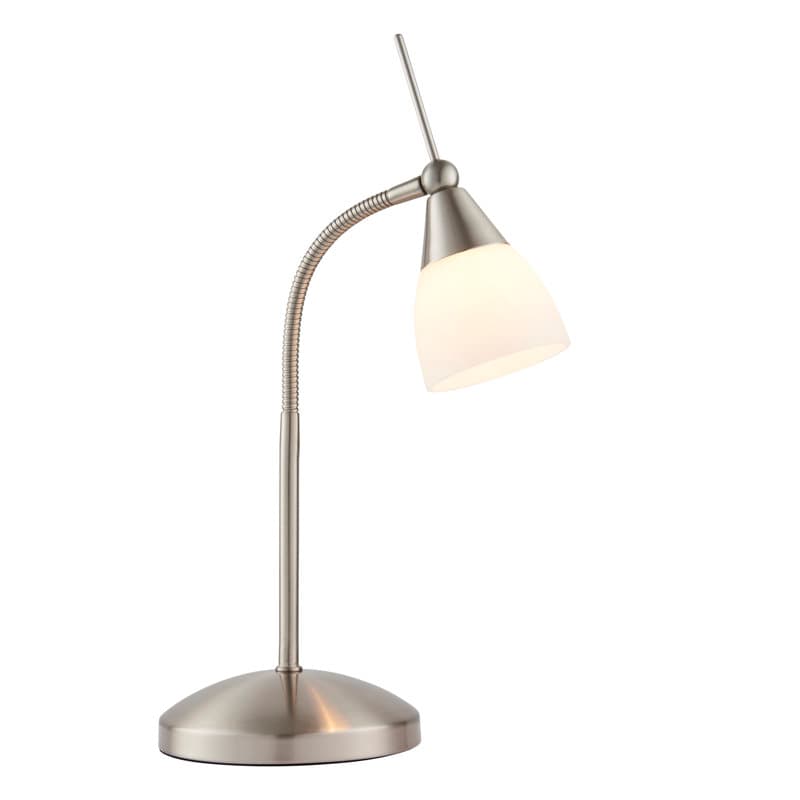
TASK
Dimmable Desk Lamp
A focused, dimmable light suited to a desk or reading chair, aimed to avoid glare on a work surface.
$XX
View ProductRoomMinded may earn a commission when you purchase through links on this page, at no additional cost to you.
Explore All Lighting PicksWhere This Applies
Better Lighting
for Every Room.
Layered lighting isn't limited to one room — see how ambient, task and accent light apply throughout your home.
Keep Exploring
More Ideas
for Better Light.
Continue exploring practical RoomMinded guides for layering light, working with natural daylight and shaping how a room feels.
Better Lighting
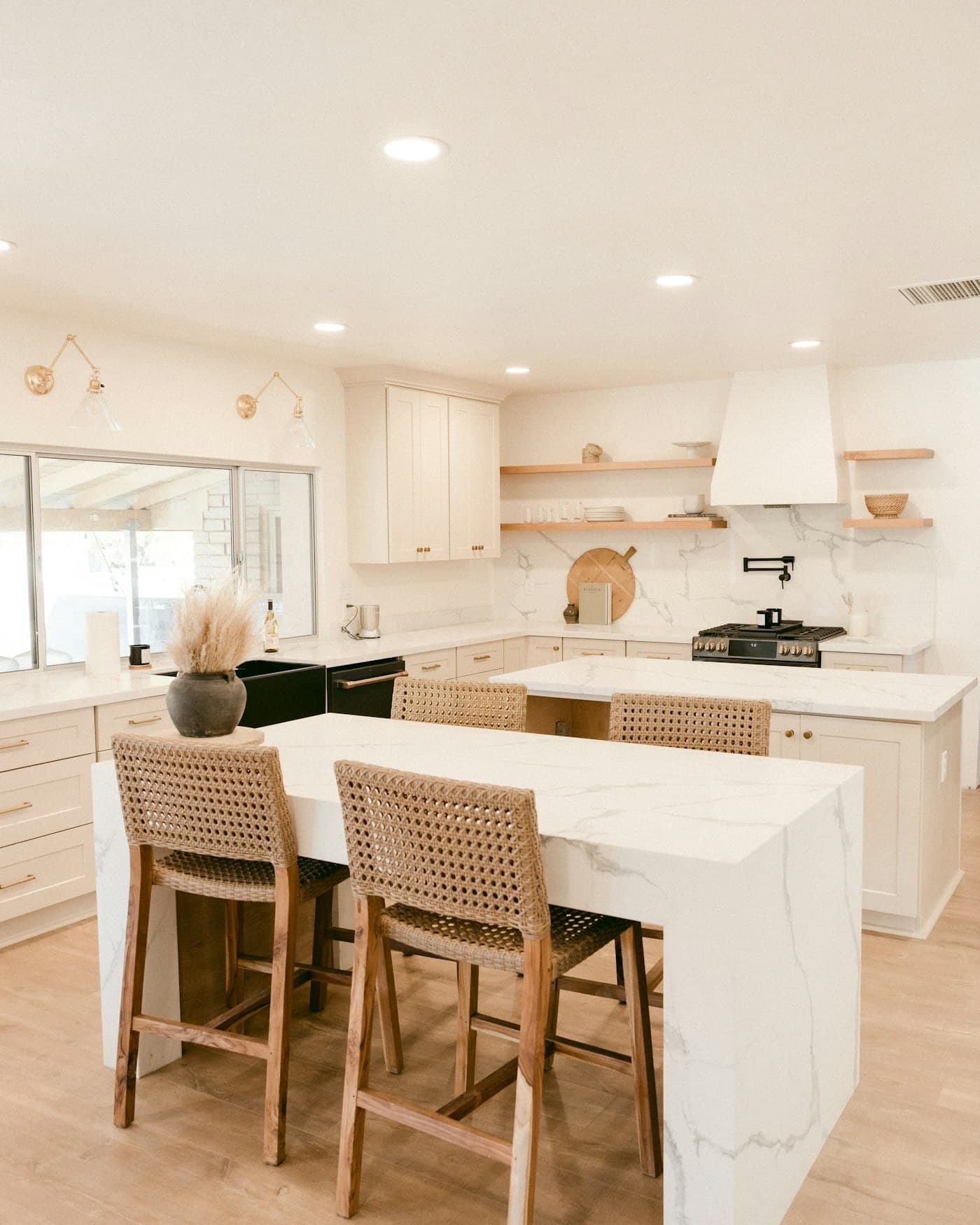
Lighting Ideas for a Small Apartment
A practical, room-by-room approach to lighting a small apartment — layering natural, ambient, task and accent light so every room feels brighter without a renovation.
Read Guide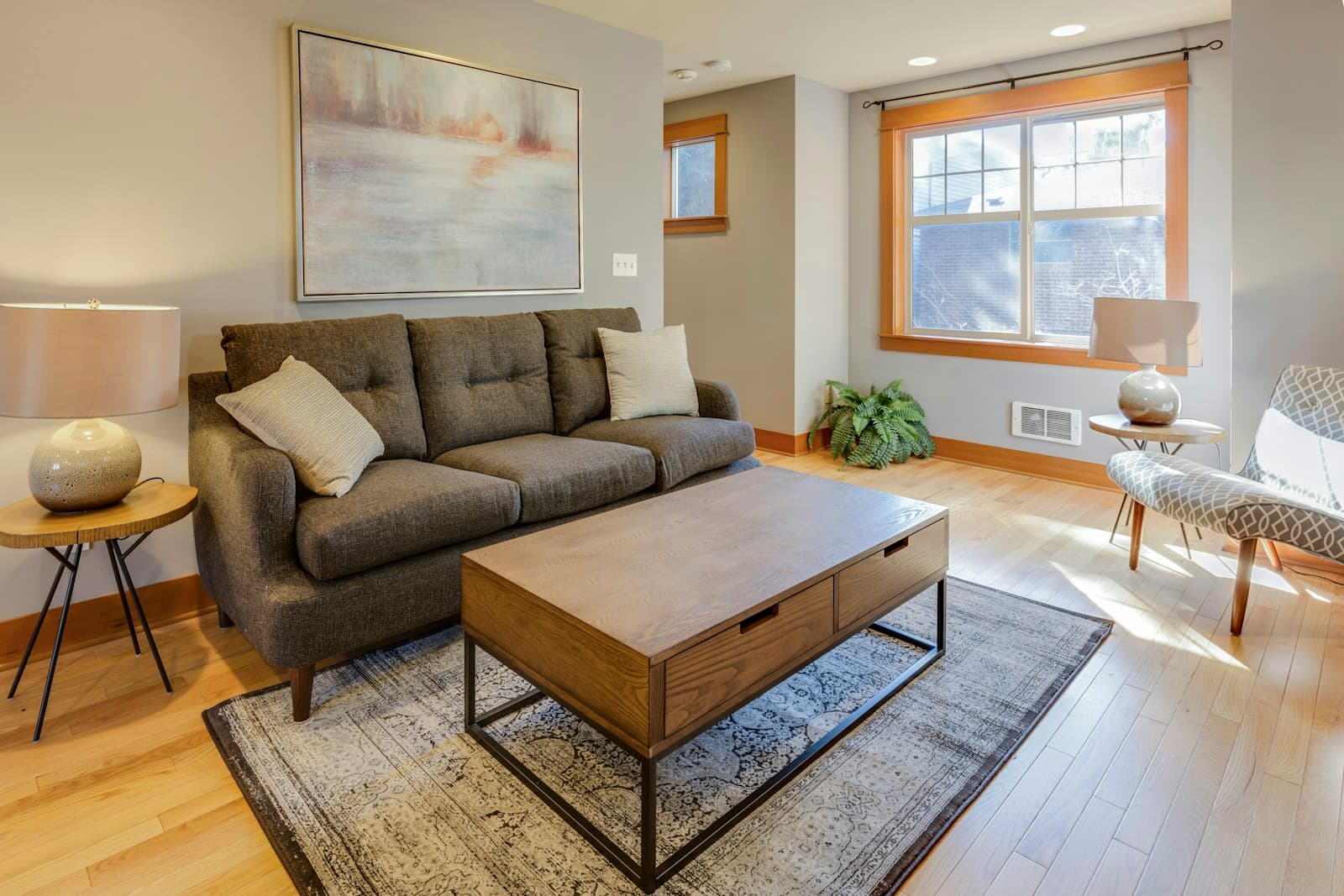
Small Spaces
How to Make a Small Room Feel Bigger
Discover practical small room ideas for better layouts, space-saving furniture, smarter storage and lighting that can make your home feel more open and comfortable.
Read Guide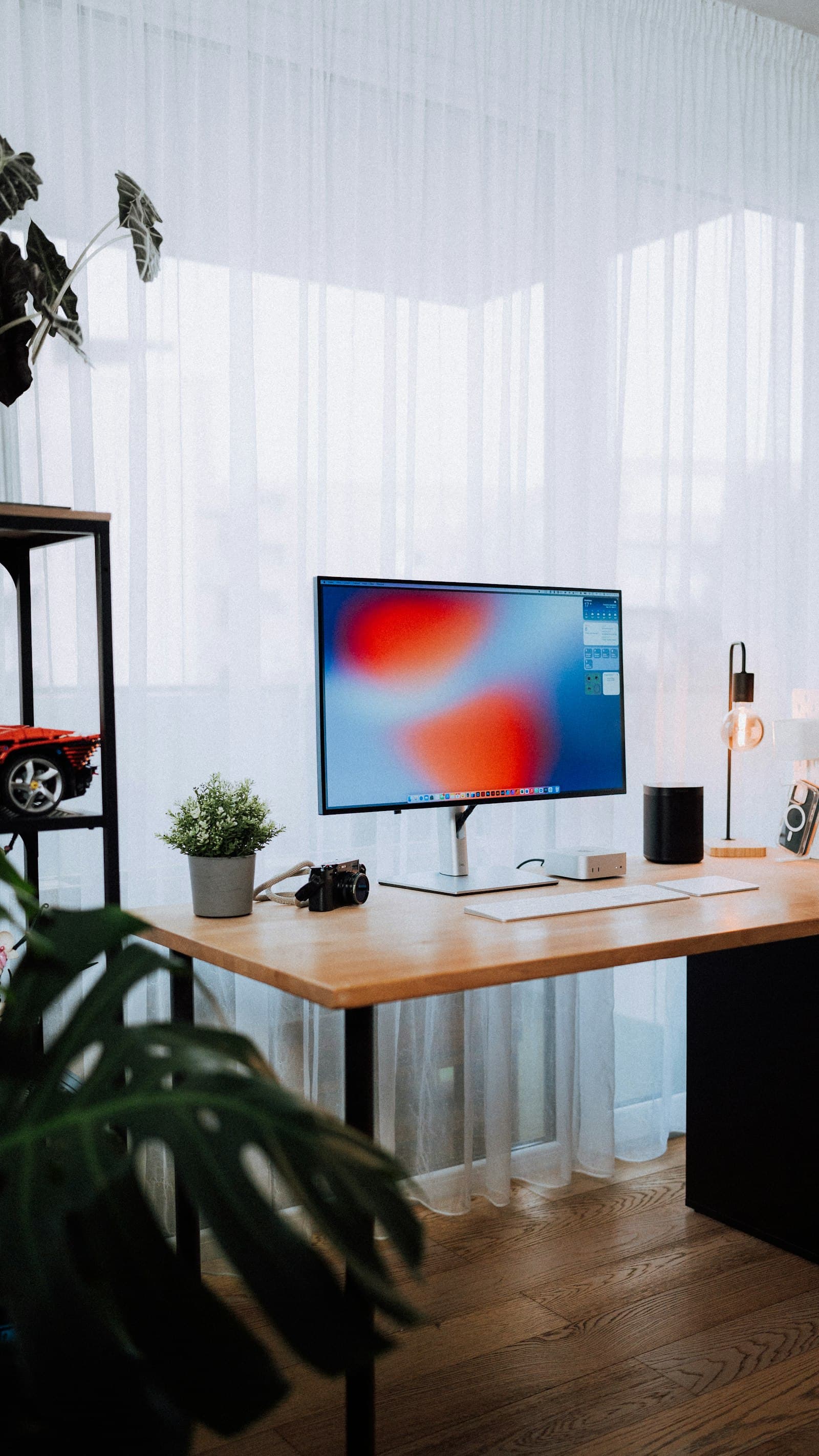
Home Office
How to Set Up a Home Office in a Small Apartment
A practical approach to setting up a home office in a small apartment — finding a dedicated spot, choosing furniture that supports a full workday, and keeping work contained to its corner.
Read GuideGood to Know
Better Lighting,
Answered.
A few practical answers to common questions about layering light and making a room feel brighter, warmer or calmer on purpose.
Ambient light sets a room's overall brightness, task light supports a specific activity like reading or cooking, and accent light adds depth by highlighting a feature. Most rooms benefit from having all three.
Work with the natural light first — sheer curtains and a mirror positioned opposite a window can stretch daylight further into a room before anything artificial is added.
A single well-placed lamp usually solves a dark corner more effectively than brightening the whole room. Uplighting a plant or piece of furniture there adds visual interest at the same time.
Task lighting positioned to avoid glare — a desk lamp angled away from a screen, or a reading lamp placed beside rather than behind a chair — does more for comfort than brighter overhead light alone.
Switch from bright, cool ambient light to one or two warmer, dimmer sources after dark. Dimmable bulbs make that transition easy without needing a different fixture.
Usually not. Plug-in floor lamps, table lamps and wall sconces can add real lighting layers, and a bulb swap to a warmer, dimmable option often makes a noticeable difference on its own.
Light It With Intention
Better Light.
Better-Feeling Rooms.
Layer ambient, task and accent lighting to make every room feel brighter by day and warmer come evening.
A well-lit room does more for how a home feels than most people expect.