
How to Make a Small Room Feel Bigger
Simple layout, furniture and storage ideas that can make a small room feel more open, comfortable and useful — without a major renovation.
In This Guide
A Small Room Can Still Feel Like Home.
Small rooms often feel cramped less because of their size and more because of how they're used. Furniture that's too large for the room, unclear walkways, overflowing storage and dim lighting can all make a room feel smaller than it actually is.
This guide focuses on the four things that make the biggest difference: layout, furniture, storage and lighting. Each plays a different role, and a small adjustment to any one of them can noticeably change how a room feels to live in.
None of it requires a renovation. Most of the ideas below can be tried with what you already own, before you spend anything on something new.
01 · Start With the Layout
Make the Layout Work Harder.
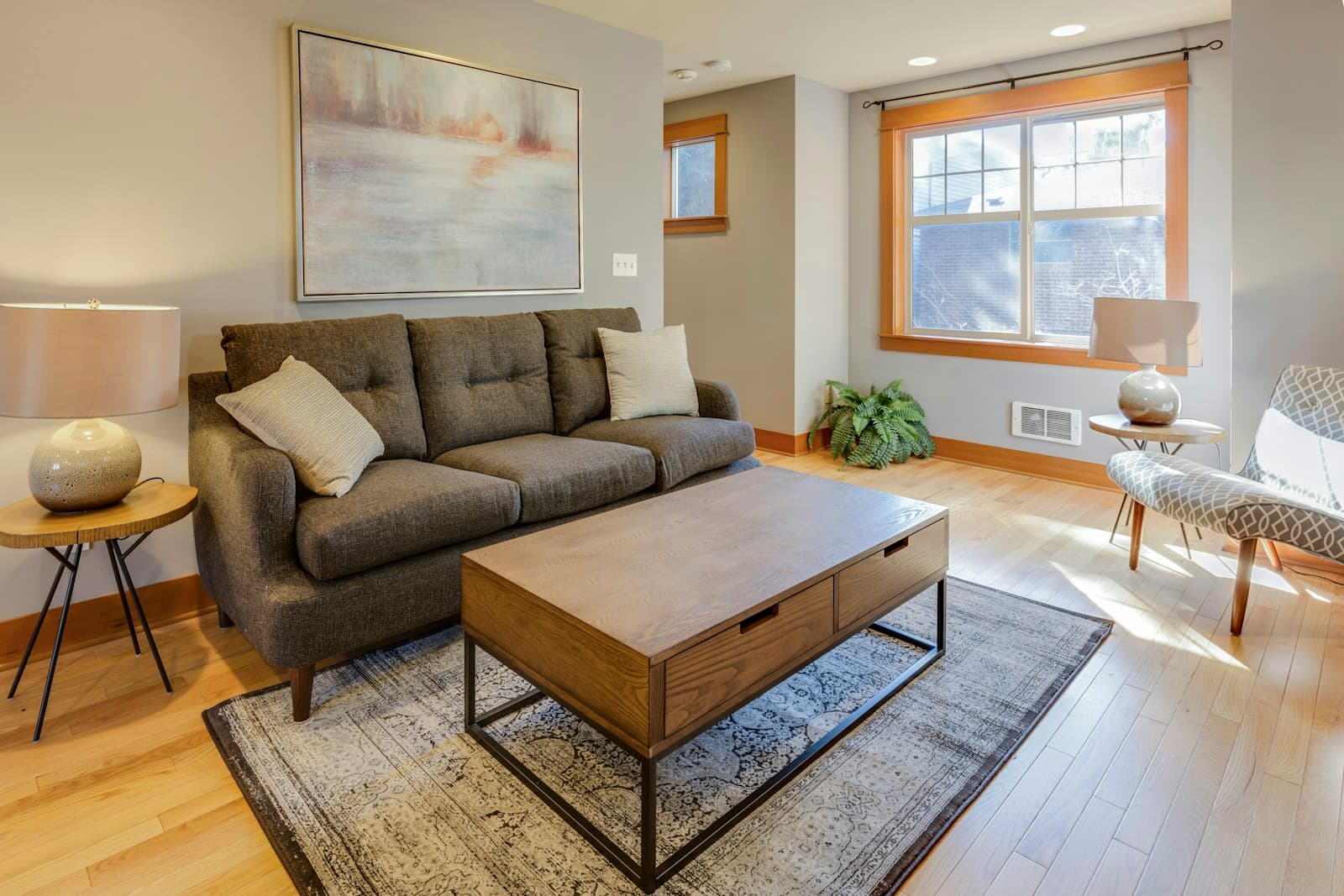
Before buying anything new, look at how the room is already being used. A small room can feel much larger when furniture is positioned to create clear pathways and leave useful areas open.
Think about where you naturally walk, where you spend the most time and which areas currently feel crowded — and leave enough breathing room between pieces so the path stays clear rather than tight.
A common mistake is pushing every piece of furniture flat against the walls to “save space,” which often just leaves an awkward, unused gap in the middle of the room. In a small living room, for example, angling a sofa slightly away from the wall to create a proper seating area — instead of lining everything up around the edges — usually reads as more intentional and is easier to walk around.
- 01Clear the WalkwaysKeep the main paths through the room open so you can move from one side to the other without obstruction.
- 02Anchor Furniture to WallsPosition larger pieces against the most suitable walls to free up the center of the room.
- 03Protect the Natural LightAvoid blocking windows so daylight can reach as much of the room as possible.
- 04Build Around One Focal PointCreate a clear focal point instead of trying to fill every empty area.
RoomMinded Tip
Good layouts create space before you add more things.
02 · Choose Furniture That Works Harder
Choose Pieces That Do More.
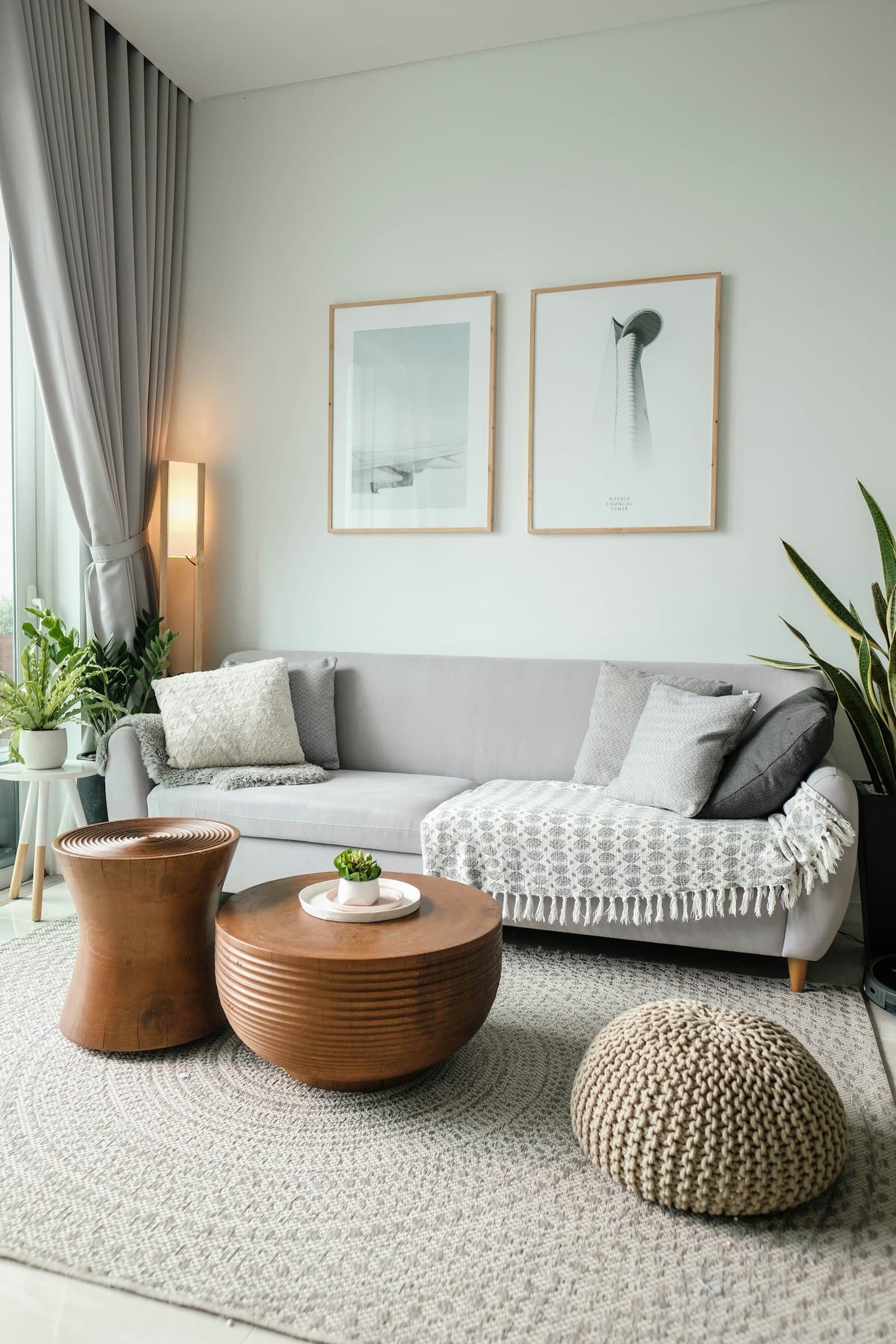
In a smaller room, every piece of furniture needs to earn its place. Instead of filling the room with separate pieces, look for furniture that can serve more than one purpose or provide useful storage.
A storage ottoman can provide seating and hidden storage. A narrow console can add useful surface space without taking over a walkway. Flexible furniture gives you more options without adding unnecessary bulk.
The mistake to avoid is buying furniture sized for the showroom rather than your room — an oversized sectional or a wide dresser can dominate a small space even when it looks fine on its own. Measuring your floor space and doorways before shopping for space-saving furniture is a small step that avoids a costly, hard-to-return mistake.
- 01Look for Multi-Functional PiecesChoose furniture that can serve more than one purpose when possible.
- 02Pay Attention to ScaleLarge furniture can quickly overwhelm a small room. Choose pieces that are proportionate to the available space.
- 03Use Vertical StorageTall, narrow furniture can provide useful storage while using less floor space.
- 04Keep the Floor Visually OpenFurniture with visible legs or a lighter visual profile can help the room feel less crowded.
RoomMinded Tip
Choose fewer pieces, but make each one more useful.
03 · Make Better Use of Vertical Space
Look Up. There Is More Space Than You Think.
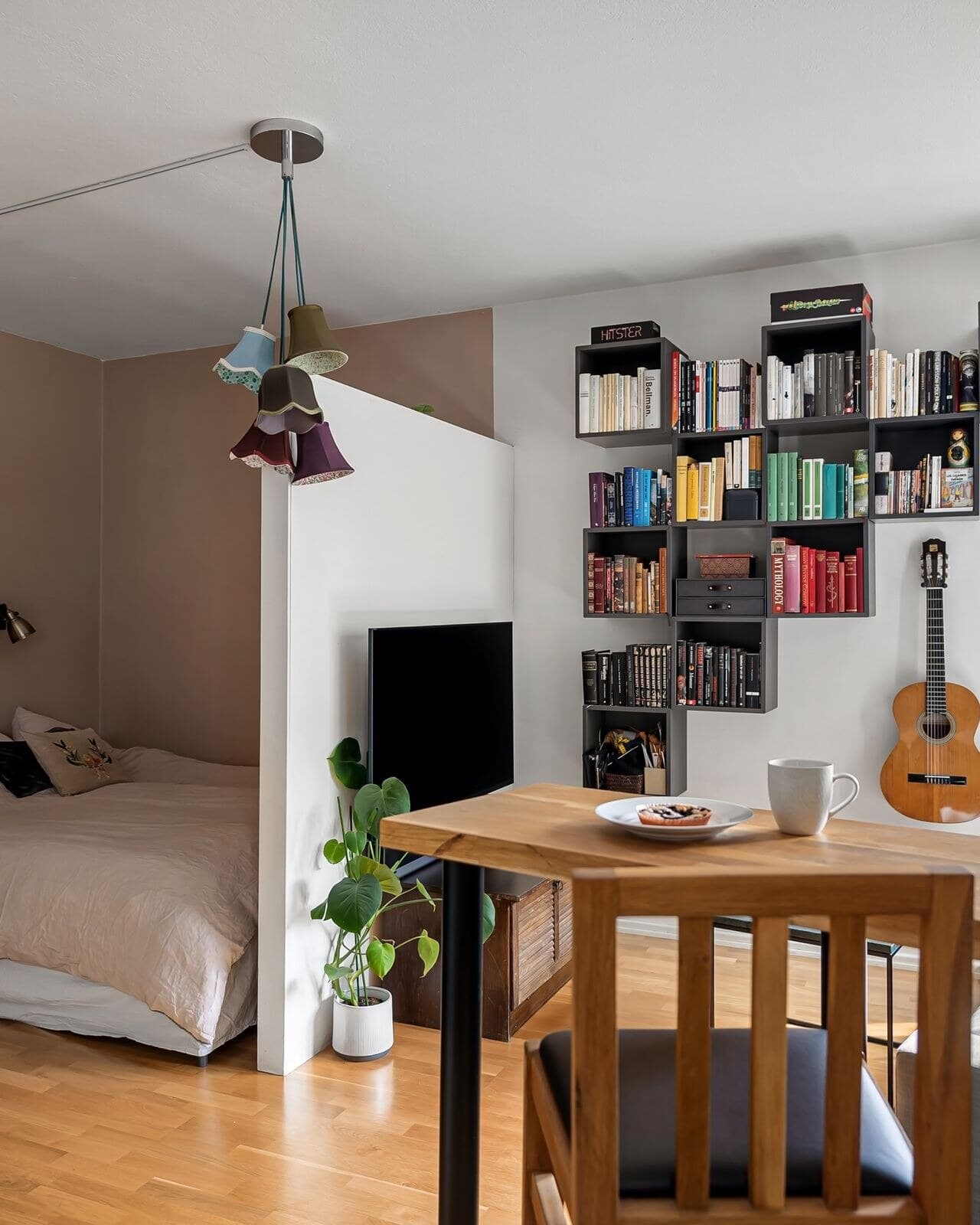
When floor space is limited, the walls can become some of the most useful areas in the room. Shelves, tall storage and thoughtfully placed wall-mounted pieces can add function without making the floor feel crowded.
The key is to use vertical space intentionally rather than covering every available wall. A common mistake is stopping at eye level, which leaves the upper third of most rooms completely unused. Extending open or closed vertical storage closer to the ceiling — for example, a tall bookshelf instead of a low one in the same footprint — gives you meaningfully more capacity without using an inch of extra floor.
- 01Go Taller, Not WiderChoose tall and narrow storage where possible to make use of vertical space without taking up too much floor area.
- 02Use Wall-Mounted StorageShelves and wall-mounted organizers can keep useful items accessible while leaving the floor open.
- 03Keep the Upper Area LightAvoid filling every wall from floor to ceiling. Leaving some visual space helps the room feel calmer and more open.
- 04Use Vertical LinesTall furniture, curtains and shelving can naturally draw the eye upward and make a room feel taller.
RoomMinded Tip
When floor space is limited, make your walls work harder.
04 · Keep Storage Under Control
Give Everything a Place to Go.
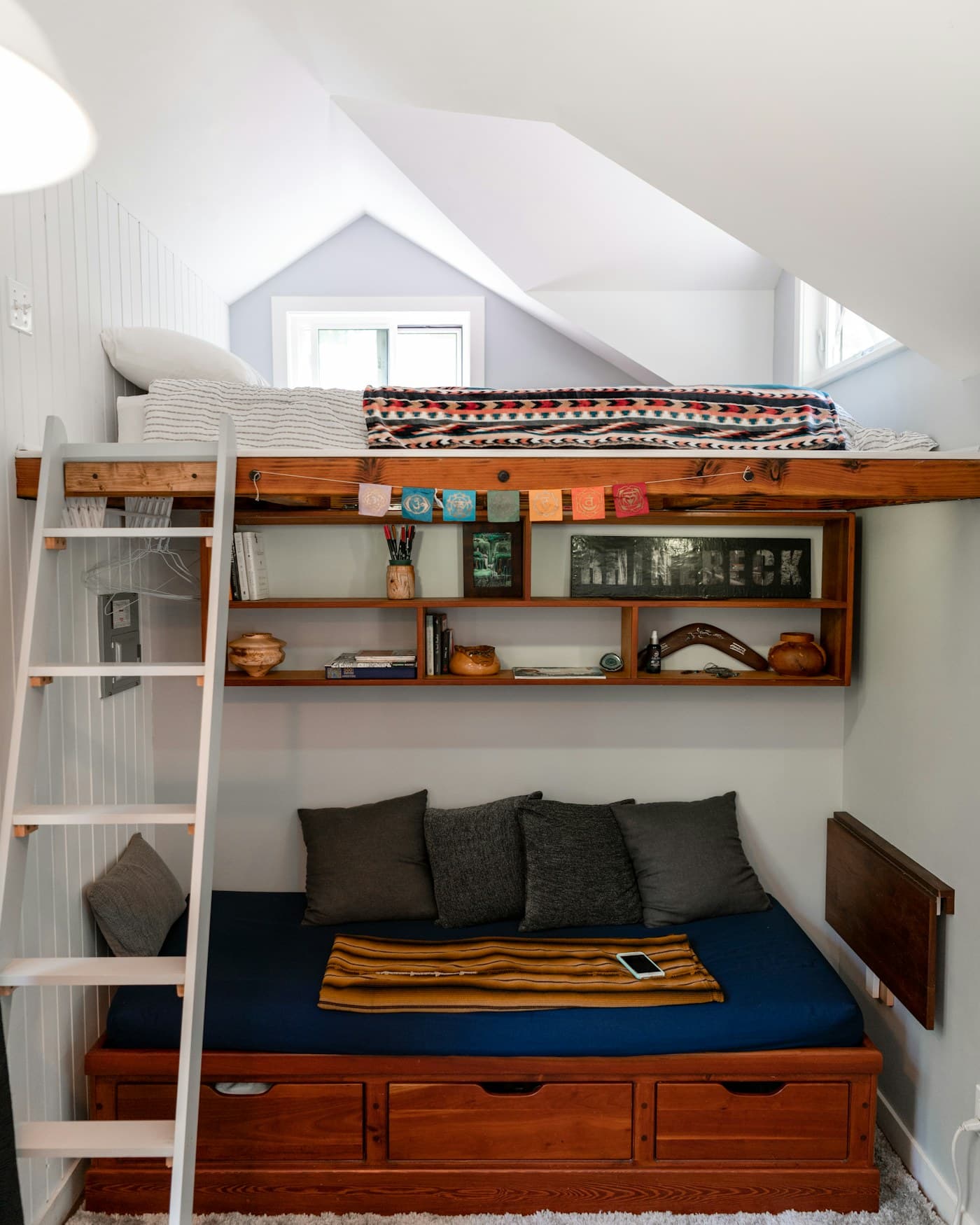
Clutter can make a small room feel even smaller. Instead of adding storage wherever there is space, think about what you actually need to keep, where you use it and how often you need to access it.
Good storage should make everyday life easier while helping the room feel visually calmer.
It’s easy to assume the answer is always more storage, but adding another bin or basket without a clear purpose usually just gives clutter a new place to collect. Try this instead: pick one crowded surface, sort what’s on it into keep, relocate and let go, then find a home for what’s left before buying anything new to hold it.
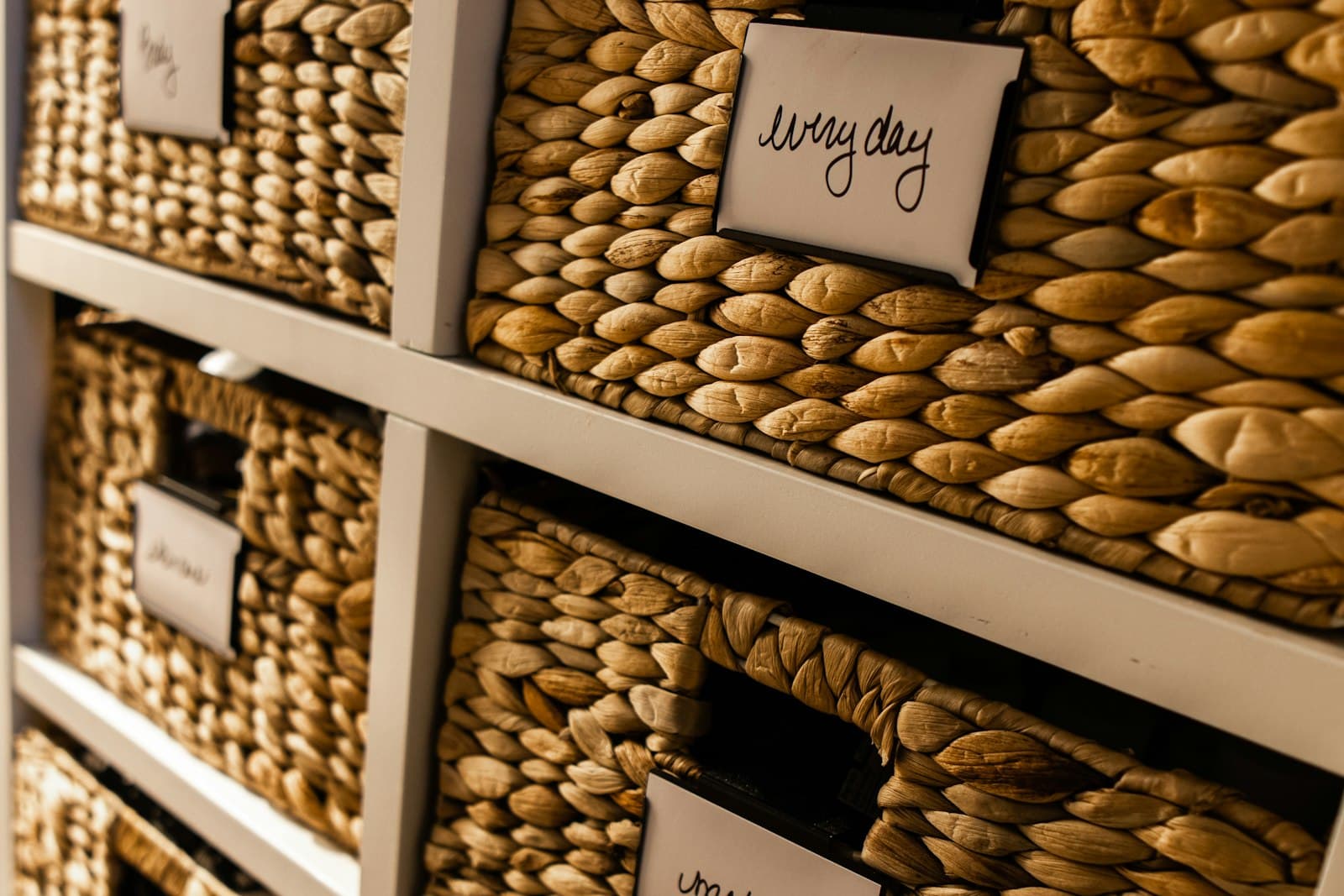
- 01Store the Things You Use MostKeep everyday essentials easy to reach and less frequently used items in less accessible storage.
- 02Hide Visual ClutterClosed storage can help a busy room feel calmer by keeping everyday items out of sight.
- 03Use Unused CornersLook for overlooked areas such as corners, narrow gaps and spaces under furniture.
- 04Avoid Storage for Storage's SakeBefore adding another organizer or cabinet, consider whether the items actually need to be kept.
RoomMinded Tip
Less visible clutter can make a room feel instantly calmer.
05 · Use Light to Open Up the Room
Let the Light Do Some of the Work.
Light has a huge effect on how spacious a room feels. A well-lit space can feel more open and comfortable, while dark corners and heavy window treatments can make the same room feel more enclosed.
Start with the natural light you already have, then use simple layers of lighting to make the room feel brighter and more welcoming throughout the day.
A frequent mistake is relying on one bright overhead light and assuming the room is well lit as a result — this often creates flat, harsh light with dark corners everywhere else. Swapping a single ceiling fixture for a ceiling light plus one warm lamp in the room’s dimmest corner is a small change that tends to make the whole space feel more balanced, not just brighter.
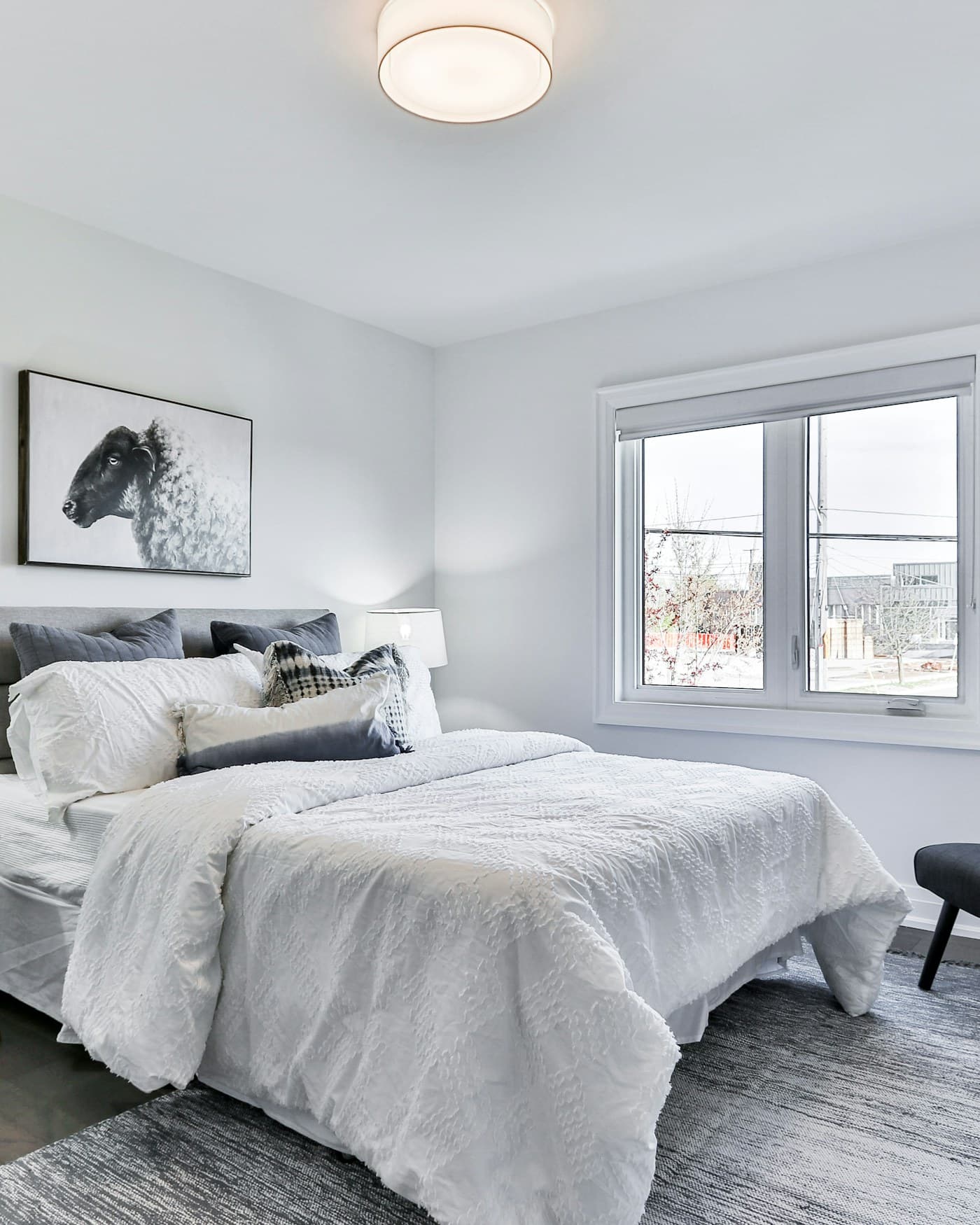
- 01Keep Windows UnobstructedAvoid placing bulky furniture directly in front of windows and use lighter window treatments where possible.
- 02Reflect Natural LightMirrors and lighter surfaces can help distribute available daylight around the room.
- 03Light Dark CornersUse floor lamps, table lamps or wall lighting to reduce areas that feel visually heavy.
- 04Use Layers of LightCombine general, task and ambient lighting instead of relying on a single overhead light.
RoomMinded Tip
A brighter room often feels like a bigger room.
06 · Small Changes That Make a Difference
Start Small. Notice the Difference.
You do not need to change everything at once. Small improvements to layout, storage, lighting and furniture placement can make a room feel noticeably more comfortable and useful.
Start with the problem that bothers you most, make one thoughtful change, then see how the room works before adding anything else.
The mistake worth avoiding is waiting for a bigger budget or a full renovation before making any change at all — most of what’s above costs nothing but a bit of rearranging. That’s especially useful if you’re living in a rental and can’t make permanent changes: layout, furniture choices and lighting can still do most of the work.
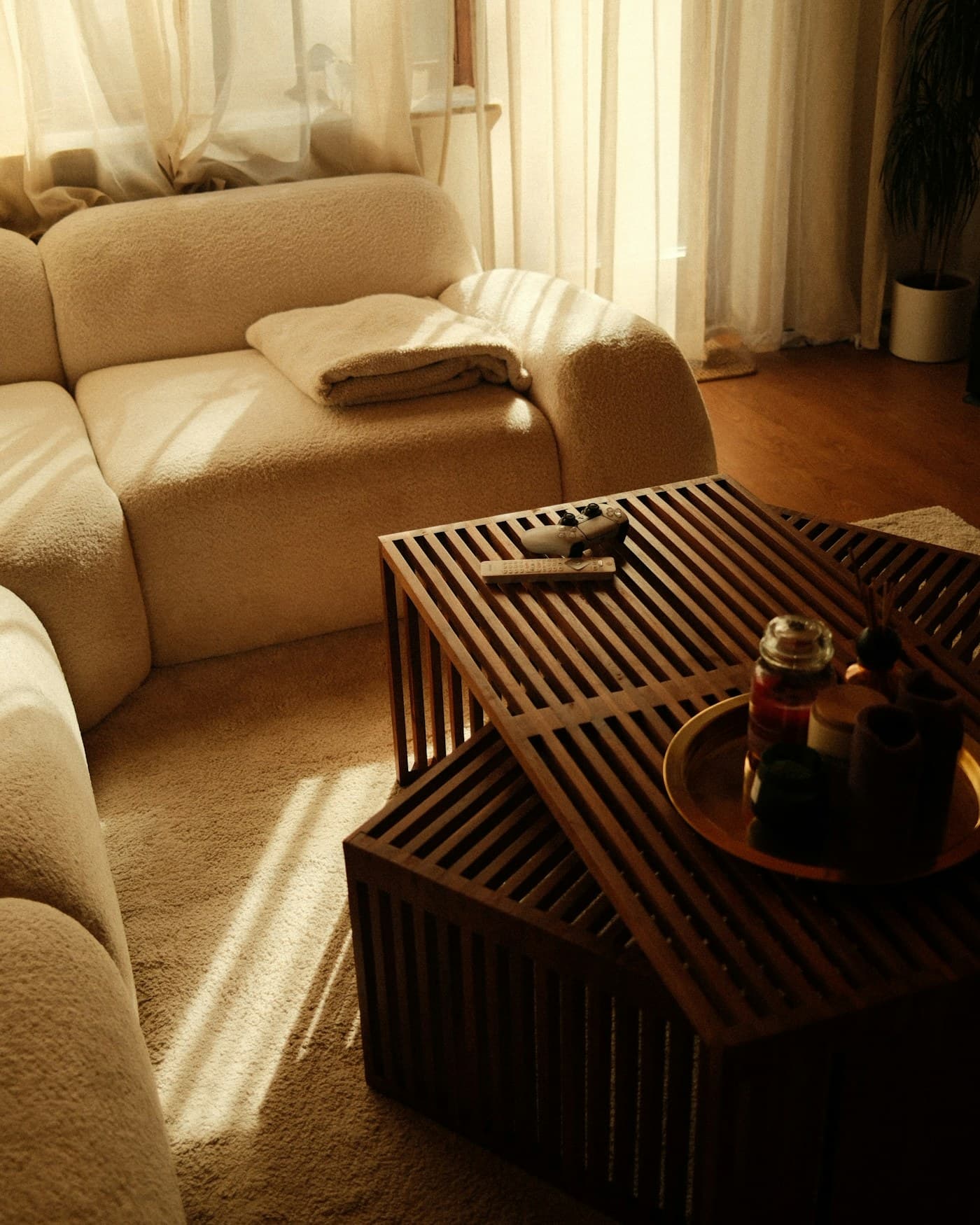
Take This With You
- 01Remove One Thing You Don't NeedCreate a little breathing room before adding anything new.
- 02Move Furniture AroundTry a different layout before deciding that the room needs new furniture.
- 03Clear One SurfaceA less cluttered table, shelf or worktop can immediately make a room feel calmer.
- 04Improve One Light SourceAdd or reposition a lamp where the room currently feels dark.
RoomMinded Tip
Better spaces are often built one small change at a time.
Next·Put These Ideas Into Practice
RoomMinded Picks
A Few Useful Things
to Put the Ideas Into Practice.
If you're ready to make a few changes, these are some practical products worth considering for smaller spaces.
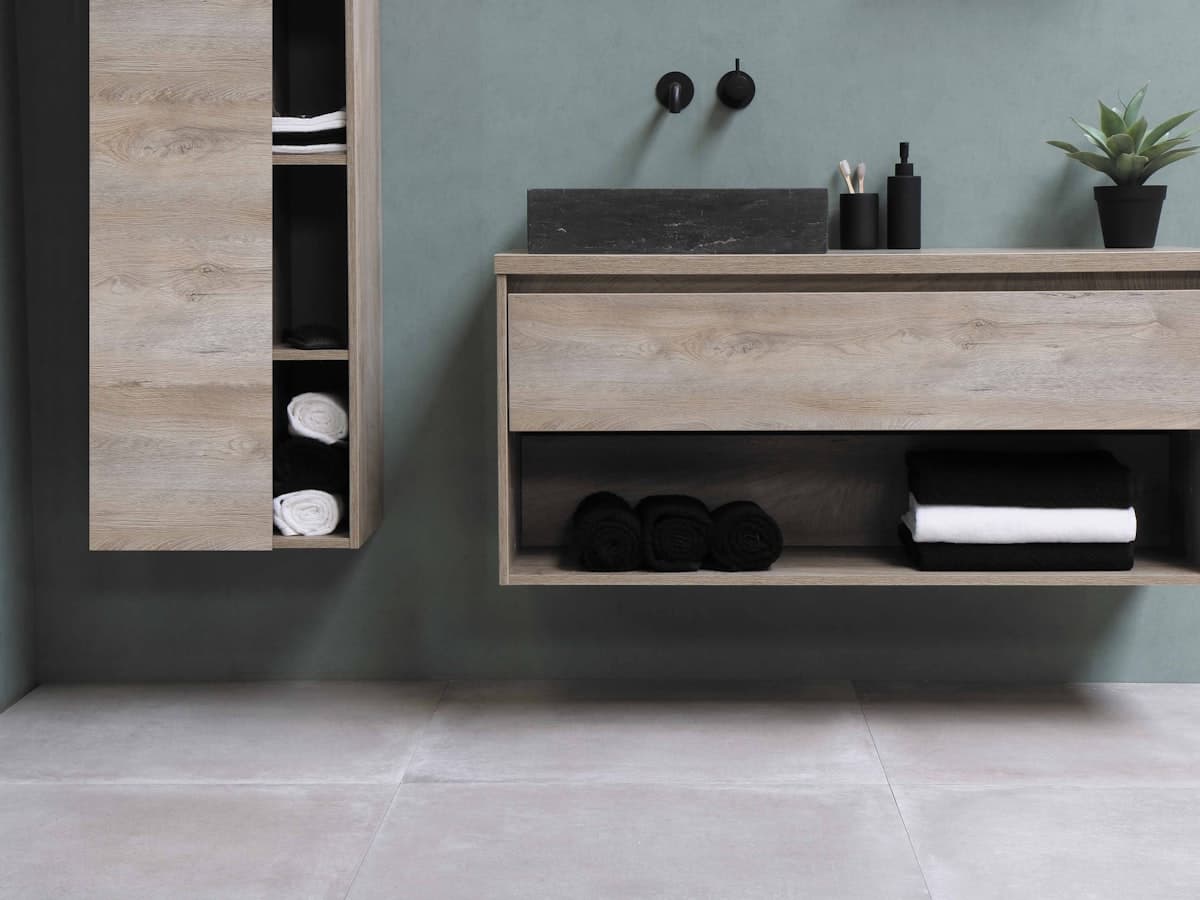
STORAGE
Slim Storage Cabinet
Useful when everyday items like linens or toiletries have nowhere organized to go and floor space is tight. Its narrow profile is built for awkward gaps rather than as a room's main storage — if you need to store bulkier items, a deeper freestanding unit will likely suit you better.
£49.99
View Product
STORAGE
Floating Shelves, Set of 4
A practical way to put this guide's "Look Up" section into practice — wall-mounted shelving adds display and storage capacity without using any floor area. Best for lighter, everyday items rather than heavy storage, since floating shelves have a lower weight limit than freestanding furniture.
£12.99
View Product
FURNITURE
Folding Dining Table
An example of furniture that works harder in a small room: it seats two when you need it, then folds flat for storage the rest of the time. Suits a room where the table isn't in daily use — if you need a table set up permanently, a compact fixed table may serve you better.
£49
View Product
LIGHTING
Adjustable Floor Lamp
Useful for lighting a dim corner the way this guide's lighting section suggests, without adding another lamp to an already crowded surface. The adjustable head directs light where it's needed, but works best as one layer of light rather than a room's only source.
£70
View ProductThese are curated recommendations. If you purchase through one of our links, RoomMinded may earn a commission at no extra cost to you.
Keep Exploring
More Ideas for
Better Spaces.
If you're working on a small room, these practical RoomMinded guides can help you take the next step.
Bedroom
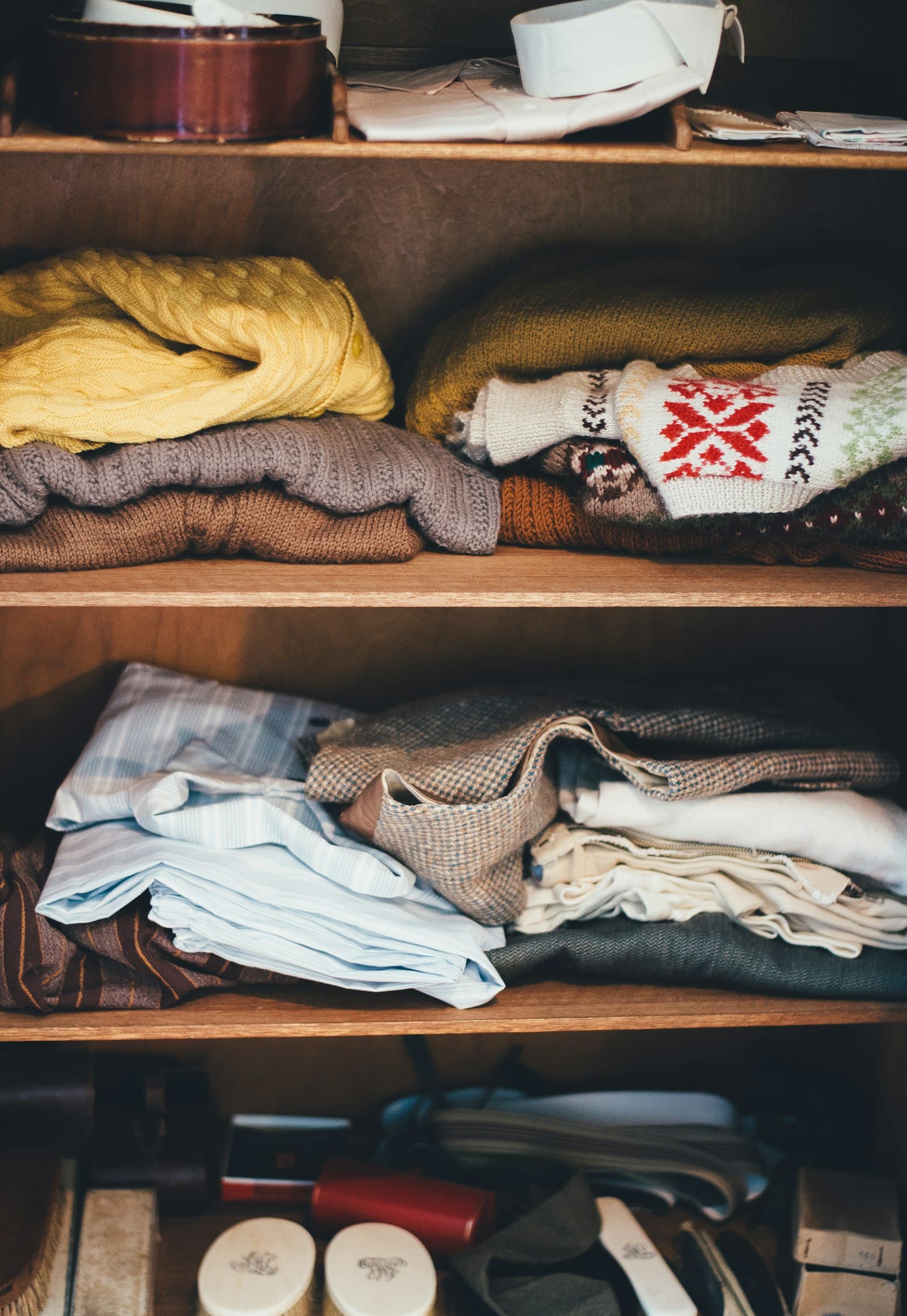
Bedroom Organization Ideas That Actually Work
Practical, low-effort ways to organize a bedroom — from the closet to the nightstand — so tidying up stays easy instead of becoming a weekend project.
Read GuideSmall Spaces
How to Use Mirrors to Make a Small Room Look Bigger
A deeper look at this guide's own mirror tip — placing one opposite a window to double natural light, a leaning mirror for vertical height, and avoiding a reflection full of clutter.
Read GuideLiving Room
Small Living Room Layout Ideas for Better Everyday Flow
Practical layout ideas for a small living room — choosing a seating arrangement that fits how you actually use the room, and keeping traffic paths open.
Read GuideGood to Know
Questions You
Might Have.
A few practical answers to common questions about making a small room feel more spacious, comfortable and useful.
Yes. The right layout, furniture scale, lighting and storage choices can make a room feel noticeably more open without physically making the room larger.
Start by measuring the room and looking at how you already use the space. Try different furniture arrangements before adding anything new.
It can be. Furniture that serves more than one purpose can help you get more function from limited floor space, especially when every piece needs to earn its place.
Consider vertical storage, unused corners and closed storage. The goal is to add useful capacity without filling every available area.
Good lighting can make a room feel brighter and more open. Start by making the most of natural light, then use layered lighting to reduce dark areas.
Not necessarily. Small changes to furniture placement, storage, lighting and organization can make a meaningful difference without a major renovation.
Keep Making Your Space Work Better
Ready to Make
Your Space Work Better?
Explore more practical room ideas, smart solutions and thoughtfully chosen products for real homes and everyday living.