
How to Use Mirrors to Make a Small Room Look Bigger
Practical ways to use mirrors to make a small room look bigger — placing one opposite a window to double natural light, a full-length leaning mirror for vertical height, avoiding a mirror that reflects clutter, and a gallery of smaller mirrors as a wall-filling, renter-friendly technique.
In This Guide
One Mirror, Placed Well, Does More Than Several Placed Badly.
A mirror is one of the cheapest, least permanent changes you can make to a small room — but where and how you place it decides whether it actually makes the space feel bigger, or just adds another surface to look at.
This guide focuses on four specific placement ideas: hanging a mirror opposite a window to double natural light, using a full-length leaning mirror for vertical height, avoiding a mirror that reflects clutter instead of light, and hanging a gallery of smaller mirrors as a wall-filling technique.
None of it requires drilling into a wall you don't own. Leaning, adhesive-strip and lightweight gallery options run through every idea below.
01 · Hang a Mirror Opposite a Window
Double the Light You Already Have.
A mirror doesn't create light — it redirects light that's already in the room. Positioned directly across from a window, it catches the daylight coming through the glass and throws it back across the space, effectively doubling the room's one real light source without adding a single fixture.
Angle matters more than most people expect. A mirror facing a blank wall or a curtain reflects that wall or curtain, not the window behind you — it needs a fairly direct line of sight to the glass itself to actually do the job, not just hang somewhere generally sunny.
This is a deeper look at a tip how to make a small room feel bigger only mentions in passing — that mirrors and lighter surfaces help distribute available daylight around a room. Placement is what decides whether that actually happens.
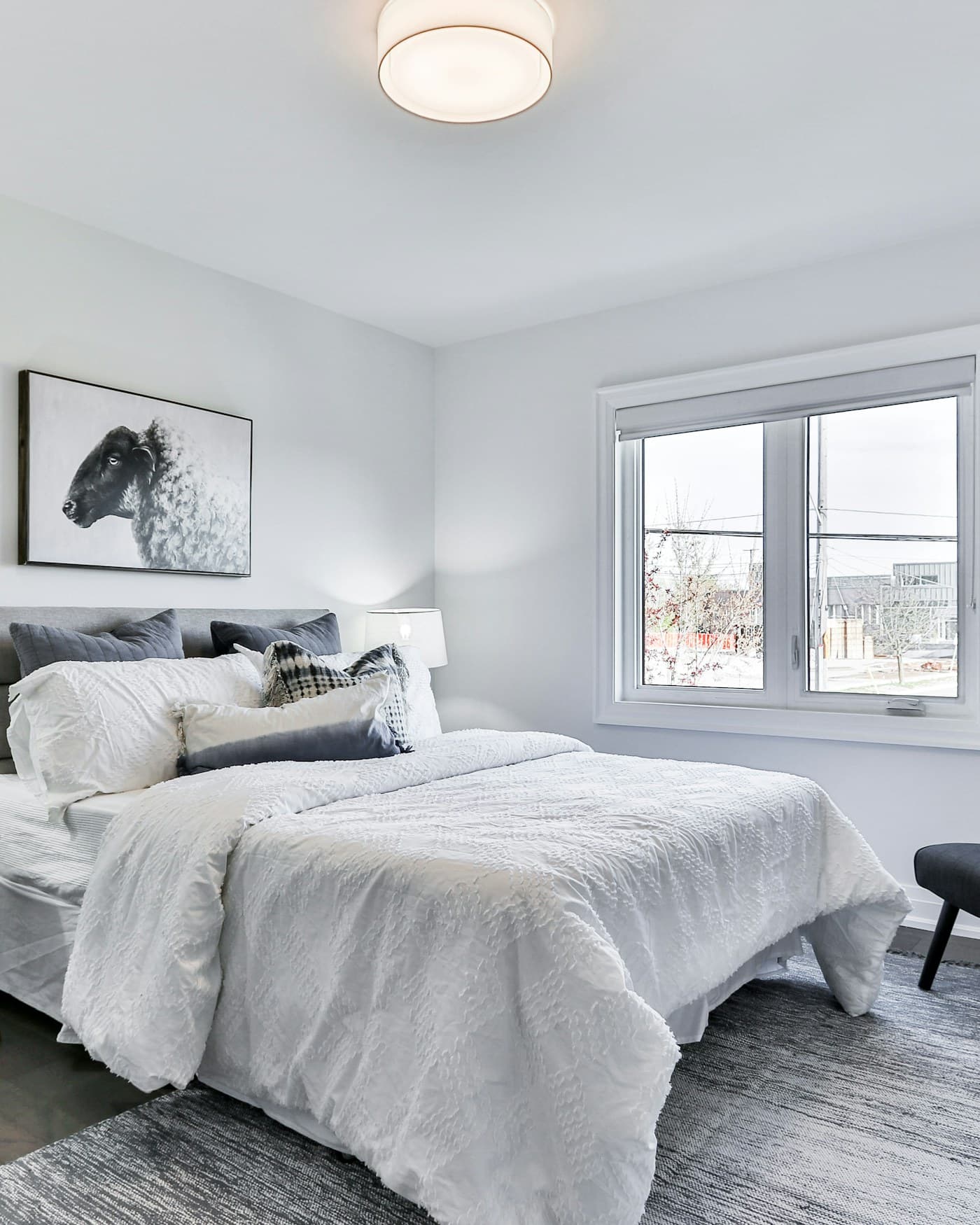
- 01Face the Mirror Toward the GlassA direct line of sight to the window is what actually reflects daylight, not just proximity to it.
- 02Skip Sheer Curtains in the ReflectionA mirror reflecting a curtain reflects dimmer, filtered light instead of the window's full brightness.
- 03Hang It at a Height You'll Actually SeeA mirror too high or too low still reflects light, but loses the sense of extra space it's also meant to add.
- 04Test the Angle Before Fixing ItHold the mirror in place at different times of day to confirm it catches direct light, not just a bright wall.
RoomMinded Tip
A mirror doesn't add light to a room — it just refuses to let the light you already have go to waste.
02 · Use a Full-Length Leaning Mirror for Height
Let a Mirror Add Vertical Space.
A full-length mirror leaned against a wall, rather than laid flat on a dresser, draws the eye from floor to well above head height — adding a sense of vertical space the same way a tall bookshelf does, without needing to hold a single book.
Leaning rather than hanging keeps the whole thing renter-friendly and lets you reposition or take it with you when you move. It does still need to be secured against tipping, especially in a small room where furniture might brush against it or where a curious pet or child shares the space.
It's the mirror-specific version of the vertical-space idea in how to make a small room feel bigger — where that guide reaches for tall shelving to draw the eye upward, a leaning mirror does the same job for a wall that has no storage to offer at all.
- 01Secure It Against TippingA wall strap or anti-tip bracket keeps a leaning mirror stable even though it isn't fixed to the wall.
- 02Lean It at a Slight AngleA few degrees off vertical is part of the leaning-mirror look and helps it sit flush against a skirting board.
- 03Choose a Frame That Matches the Room's ScaleAn oversized frame in a small room can crowd the space it's meant to be opening up.
- 04Give It a Clear Floor SpaceA leaning mirror needs its own uncluttered patch of wall to actually read as a feature, not an obstacle.
RoomMinded Tip
A leaning mirror gets the same vertical lift as a tall shelf, without asking the wall to hold any weight.
03 · Avoid Reflecting Clutter, Not Just Adding Light
A Mirror Reflects Whatever You Point It At.
A mirror amplifies whatever's actually across from it. Pointed at a window, it doubles the light. Pointed at an overflowing laundry basket or a messy desk, it just as reliably doubles the mess — which can make a small room look busier, not bigger.
Before hanging anything, stand where the mirror will sit and check what's actually in the reflection from a few steps back, not just up close. If the honest answer is clutter, either move the mirror to face a calmer wall or clear that spot first — the mirror itself won't fix what it's reflecting.
This is the same underlying idea behind keeping storage under control in a small room — a mirror just makes the consequences of skipping that step twice as visible, twice as fast.
Solves This
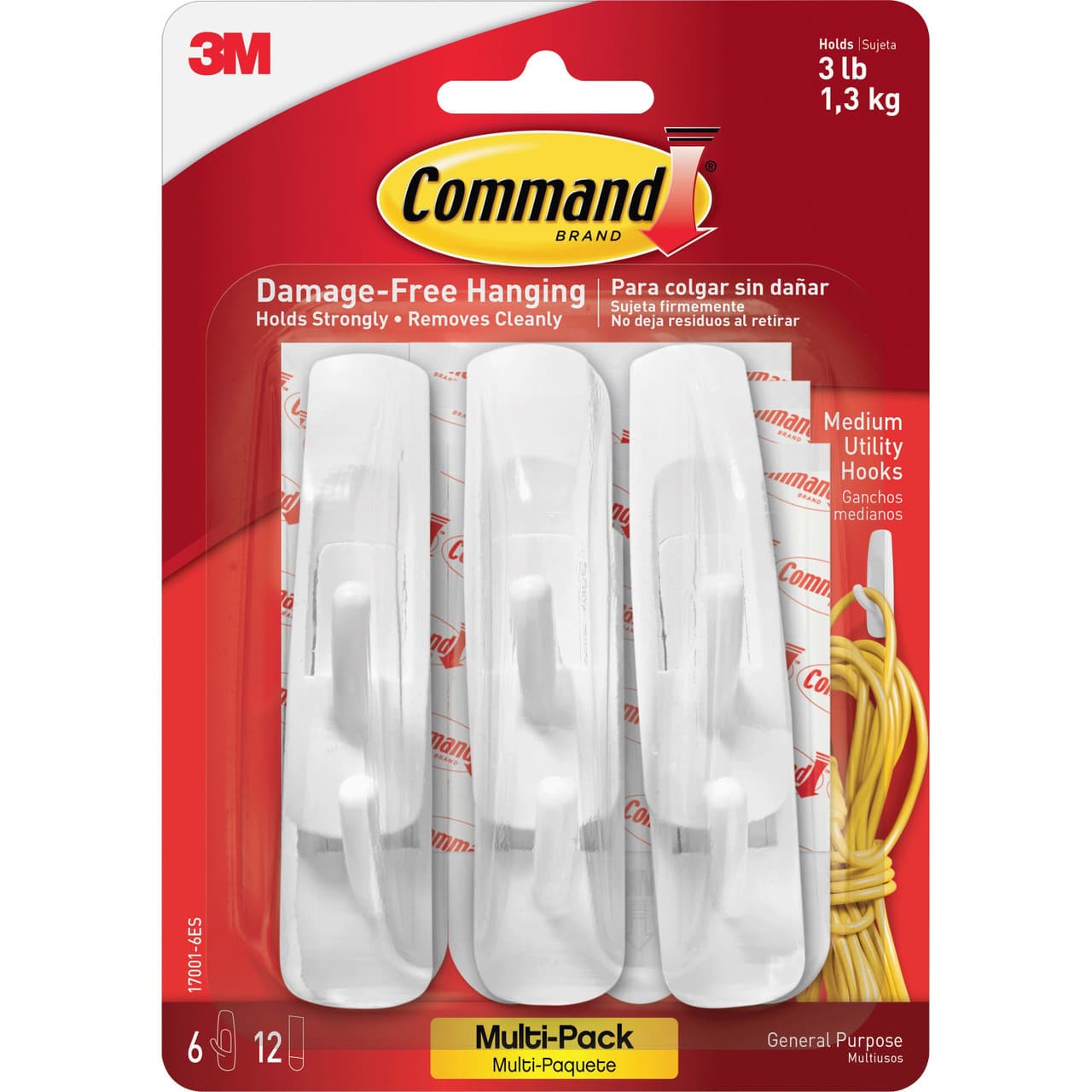
3M Command Medium Utility Hooks (White)
Damage-free hooks for anchoring a leaning mirror's safety strap to the wall — no drilling, and no risk to a mirror that's heavier than it looks.
£17.08 · Shop This Pick
- 01Check the Reflection From a DistanceStand a few steps back from where the mirror will hang — what you see from there is what a guest will see too.
- 02Point It at a Considered WallA wall with one piece of art or a plant reflects far better than a wall behind a desk piled with paperwork.
- 03Clear the Spot Before You Hang ItTidy what's opposite the mirror first — hanging it doesn't fix a cluttered reflection on its own.
- 04Reconsider the Angle If It's Not WorkingA slightly different angle can trade a reflection of clutter for one of a plain wall or a window instead.
RoomMinded Tip
A mirror is only as calming as whatever it's pointed at.
04 · Hang a Gallery of Smaller Mirrors
A Wall of Mirrors Can Read as Decor.
A single large mirror isn't the only option. A cluster of smaller mirrors, hung together the way you'd hang a gallery wall of art, fills a bare wall and multiplies reflected light from several angles at once — while reading as an intentional decor choice rather than an obvious trick to make a room look bigger.
Arranging a group of shelves at matching heights is a familiar layout problem, and a gallery of mirrors benefits from the same approach — consistent spacing and a shared baseline read as considered, where an uneven scatter reads as an afterthought.
Lighter mirrors can go up with adhesive strips rather than nails, which keeps the whole gallery renter-friendly — see renter-friendly decorating ideas for more damage-free hanging options, and studio apartment layout ideas for where a mirror gallery works best alongside a studio's other zoning decisions.

Take This With You
- 01Keep Spacing ConsistentEven gaps between mirrors read as a considered gallery rather than a random cluster.
- 02Check the Combined WeightSeveral mirrors add up quickly — confirm adhesive strips or hooks can hold the total, not just one piece.
- 03Mix Shapes, Not HeightsVarying shape within the group keeps it visually interesting while a shared baseline keeps it looking intentional.
- 04Start With the Lightest PiecesRenter-friendly adhesive options work best for smaller, lighter mirrors — save anything heavier for a proper wall fixing.
RoomMinded Tip
A gallery of mirrors does a big mirror's job in smaller, more renter-friendly pieces.
Next·Explore More Ways to Make a Small Room Feel Bigger
RoomMinded Picks
Pieces That Make
This Easier.
None of these is a mirror — they're a few practical products that pair naturally with a mirror-centric refresh.

Lighting · Floor Lamps
IKEA NYFORS Floor Lamp
Positioned beside a mirror rather than behind the viewer, this is what actually lights the reflection instead of casting a shadow across it.
£70
View ProductStorage · Floating Shelves
Set of 4 Latitude Floating Shelves
A practical way to arrange a gallery of smaller mirrors at matching heights, the same way you'd hang a set of shelves in a row.
£12.99
View Product
Living Room · Nesting Tables
Borough Wharf Kirkhill 3 Piece Nest of Tables
A low surface to rest a leaning mirror's base against, or to prop nearby items at the height a mirror display needs.
£36.99
View ProductRenter-Friendly · Adhesive Hooks
3M Command Medium Utility Hooks (White)
Damage-free hooks for anchoring a leaning mirror's safety strap to the wall — no drilling, and no risk to a mirror that's heavier than it looks.
£17.08
View ProductThese are curated recommendations. If you purchase through one of our links, RoomMinded may earn a commission at no extra cost to you.
Keep Exploring
More Ideas for
Better Spaces.
A few more practical RoomMinded guides worth reading next.
Small Spaces
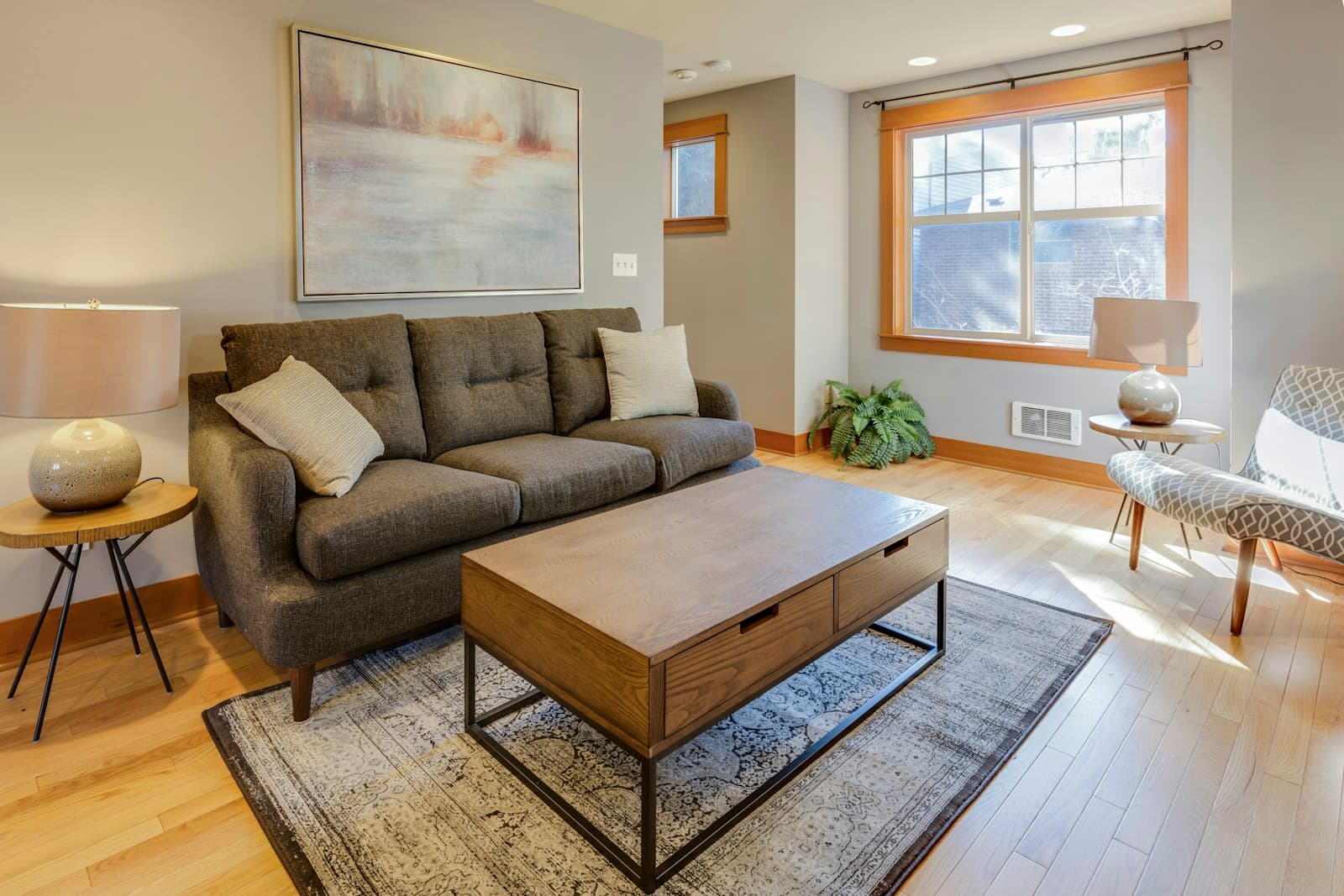
How to Make a Small Room Feel Bigger
Simple layout, furniture and storage ideas that can make a small room feel more open, comfortable and useful — without a major renovation.
Read Guide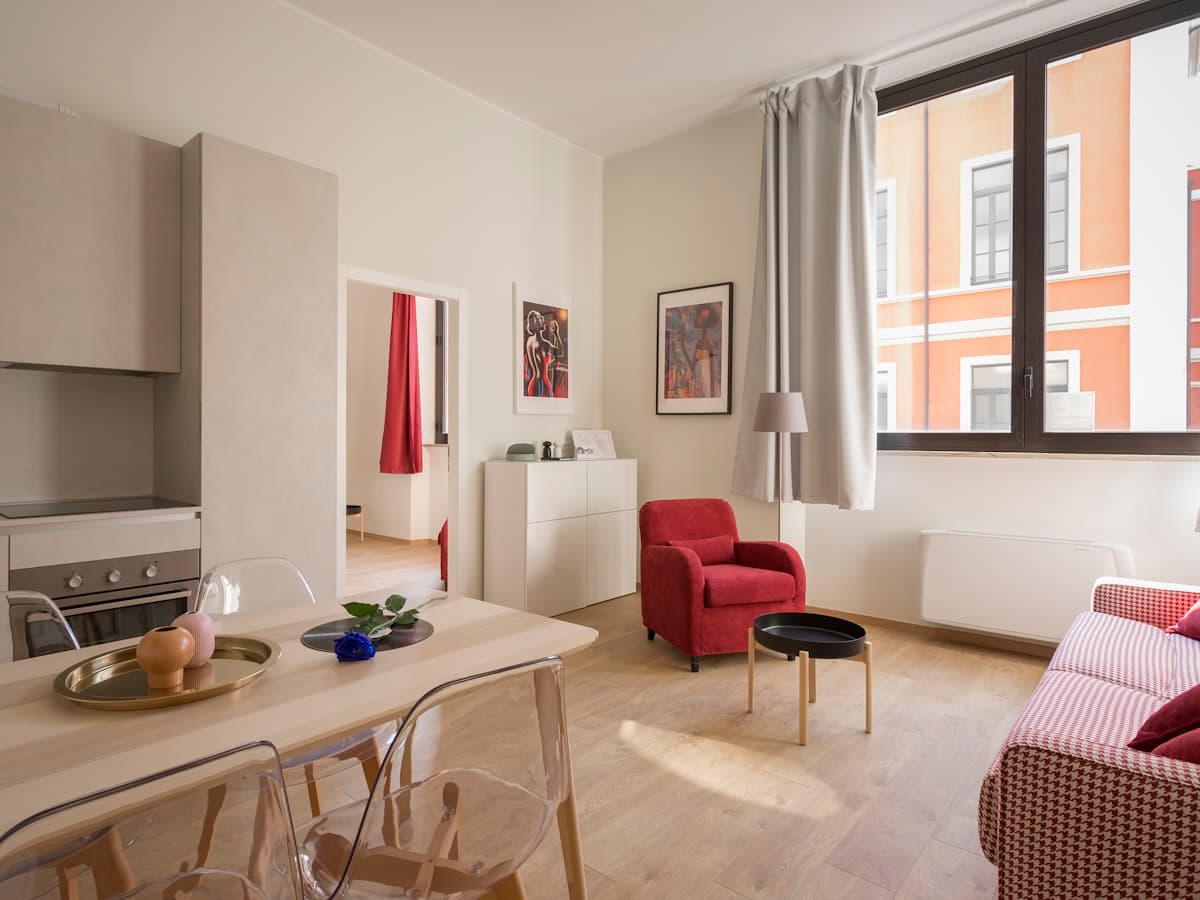
Renter-Friendly
Renter-Friendly Decorating Ideas
Damage-free ways to make a rented space feel like home — from adhesive hooks to plug-in lighting and freestanding furniture that goes with you when you move.
Read Guide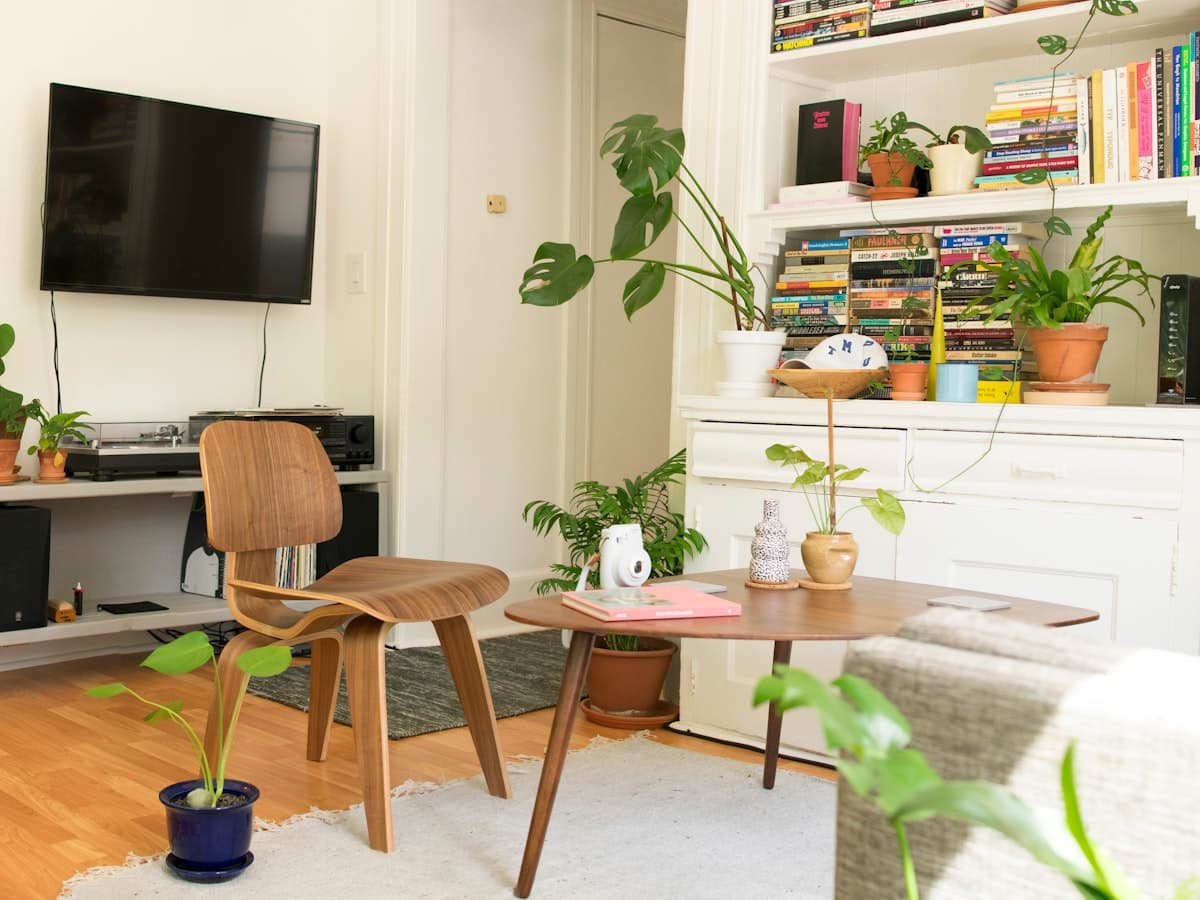
Small Spaces
Studio Apartment Layout Ideas
Practical studio apartment layout ideas — zoning with furniture and rugs, choosing a bed placement that doesn't dominate the room, and keeping furniture low enough to protect sightlines.
Read GuideGood to Know
Questions You
Might Have.
A few practical answers to common questions.
Directly opposite a window, with a clear line of sight to the glass — that's what lets it reflect and double the room's natural light rather than a blank wall or curtain.
A full-length mirror can lean against a wall instead of being fixed — it's renter-friendly and still adds the same sense of vertical height, as long as it's secured against tipping.
Yes, if it's pointed at clutter — a mirror amplifies whatever's across from it. Check the reflection from a few steps back before committing to a spot.
It can be — a cluster hung at matching heights fills a wall and reflects light from several angles, while reading as decor rather than an obvious size trick.
Not currently — this guide's picks are lighting, shelving and hardware that pair well with a mirror you source separately, described honestly rather than as a mirror substitute.
Keep Making Your Space Work Better
Ready to Make
Your Space Work Better?
Explore more practical room ideas, smart solutions and thoughtfully chosen products for real homes and everyday living.