
Kitchen Organization Ideas for Small Apartments
Practical kitchen organization ideas — zoning the kitchen around how you actually cook, a labeling system that keeps everyone on the same page, and a short daily reset that stops small messes from becoming a weekend project.
In This Guide
A Kitchen Organization System Should Fit How You Actually Cook.
A small kitchen doesn't just need somewhere to put things — it needs a system that matches how you actually move through it. The same set of storage can feel effortless or constantly in the way depending on whether it's organized around your real habits or just around category.
This guide focuses on four practical ideas: zoning the kitchen around how you cook rather than by category alone, a labeling system simple enough for everyone in the household to follow, a short daily reset that stops small messes from compounding, and revisiting the whole system as your habits change over time.
None of it requires new cabinetry. It's about organizing what a small kitchen already has around how it's genuinely used.
01 · Zone the Kitchen Around How You Cook
Organize by Task, Not Just by Category.
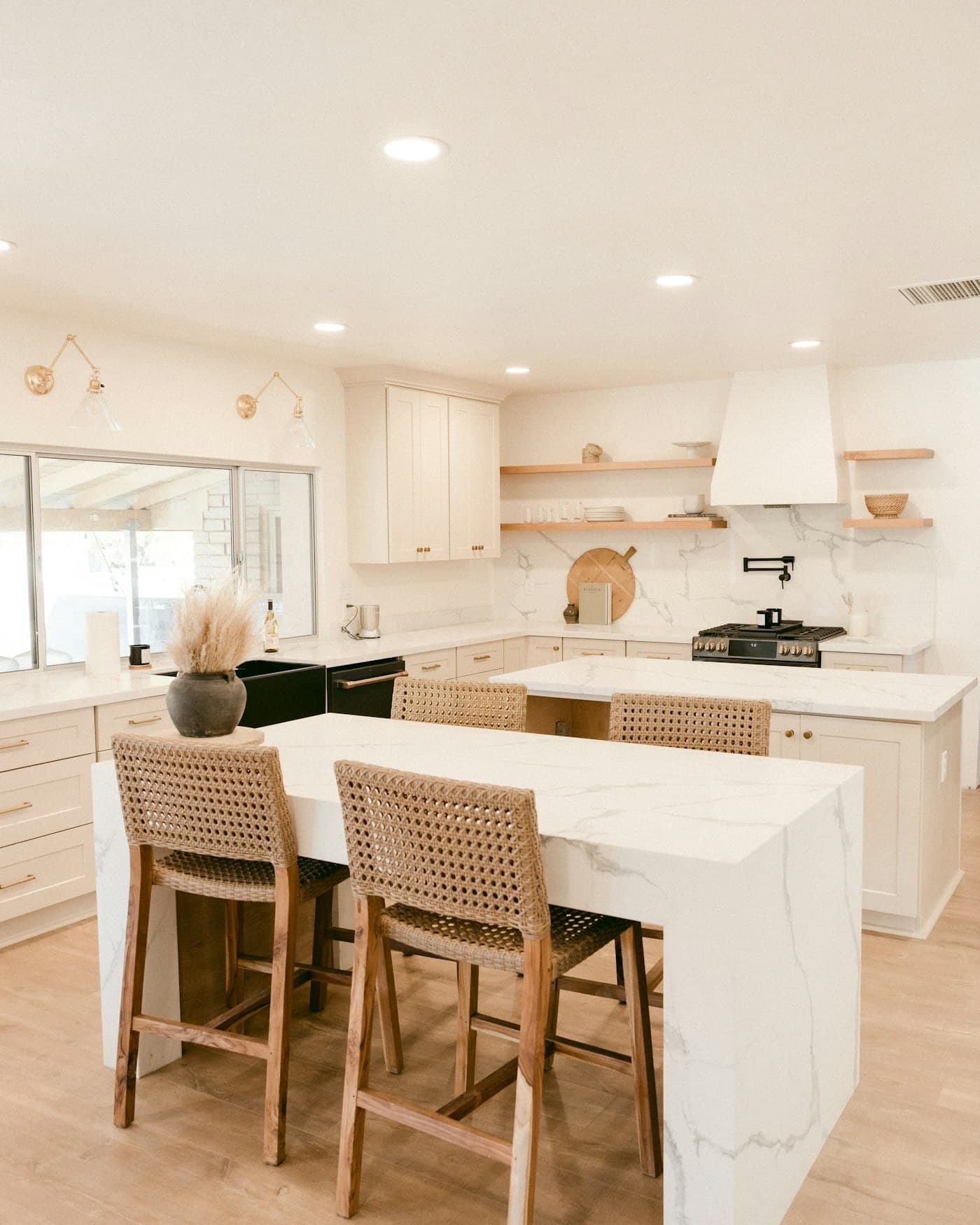
Most kitchens get organized by category — all the plates together, all the pots together — without much thought for where you're actually standing when you reach for each one. A small kitchen benefits more from zoning by task: what's near the stove, what's near the prep counter, what's near the sink.
Cooking utensils and pans belong within arm's reach of the stove, not across the room in a drawer near the fridge. Chopping boards and knives make more sense near the main prep counter than tucked away wherever there happened to be space. This kind of arrangement cuts down on the number of steps a normal meal actually takes to cook.
It pairs directly with the storage ideas in small kitchen storage ideas — storage solves where things fit, while zoning solves where they should actually go.

Solves This
Set of 4 Latitude Floating Shelves
Open shelving that keeps a zone's everyday items visible and labeled, right above the counter you actually use them at.
£12.99 · Shop This Pick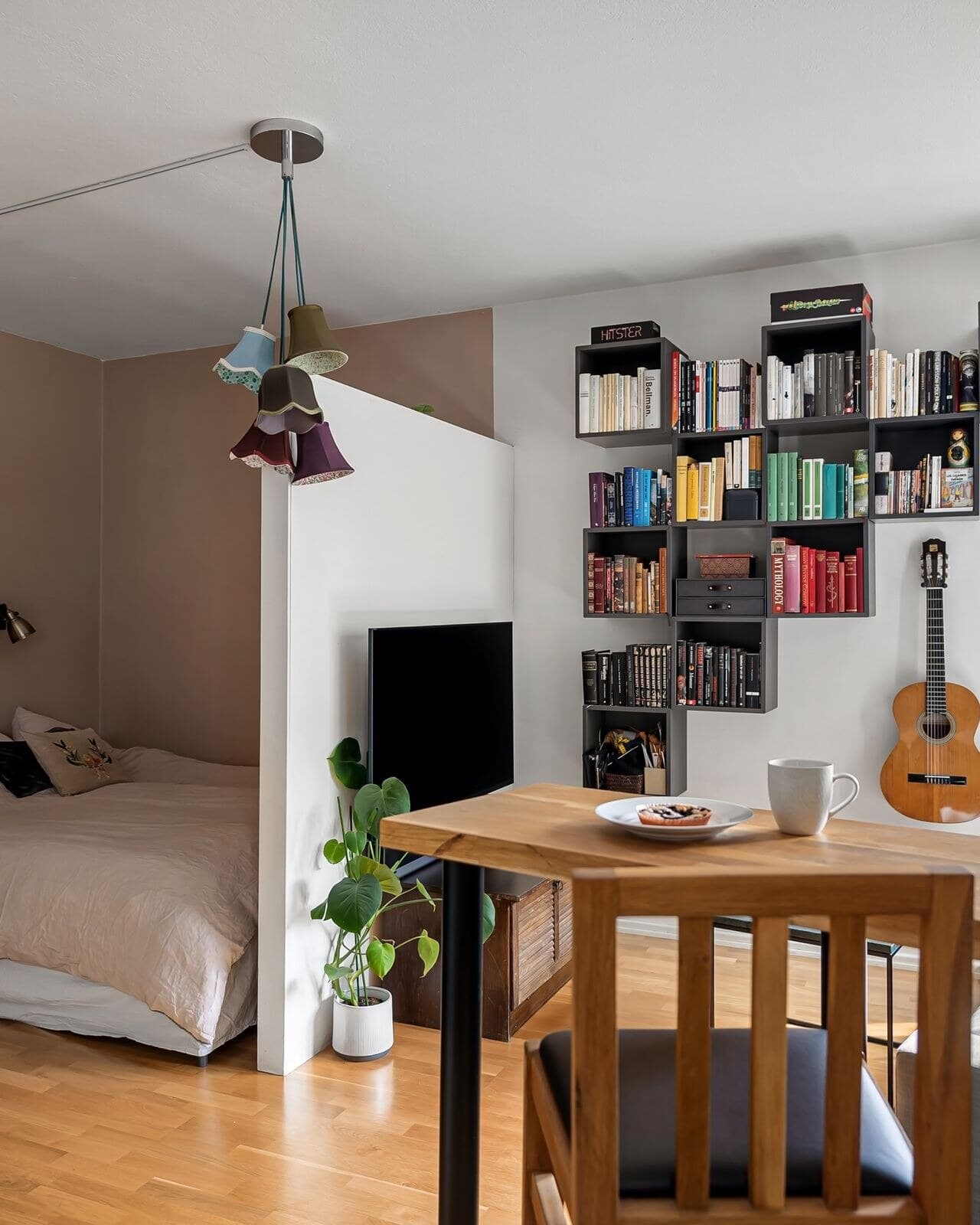
- 01Keep Cooking Tools Near the StovePans, spatulas and oven mitts should be within arm's reach of where you actually cook.
- 02Store Prep Tools Near the Counter You Use MostKnives and chopping boards belong close to wherever most of your prep actually happens.
- 03Group by Task, Then by Category Within ThatZone first by how you move through the kitchen, then organize each zone by category.
- 04Notice Where You Actually Reach FirstWatch your own habits for a few days before deciding where anything should permanently live.
RoomMinded Tip
A kitchen organized by how you cook takes fewer steps than one organized by category alone.
02 · Build a Labeling System Everyone Actually Follows
A System Only Works If Everyone Uses It.
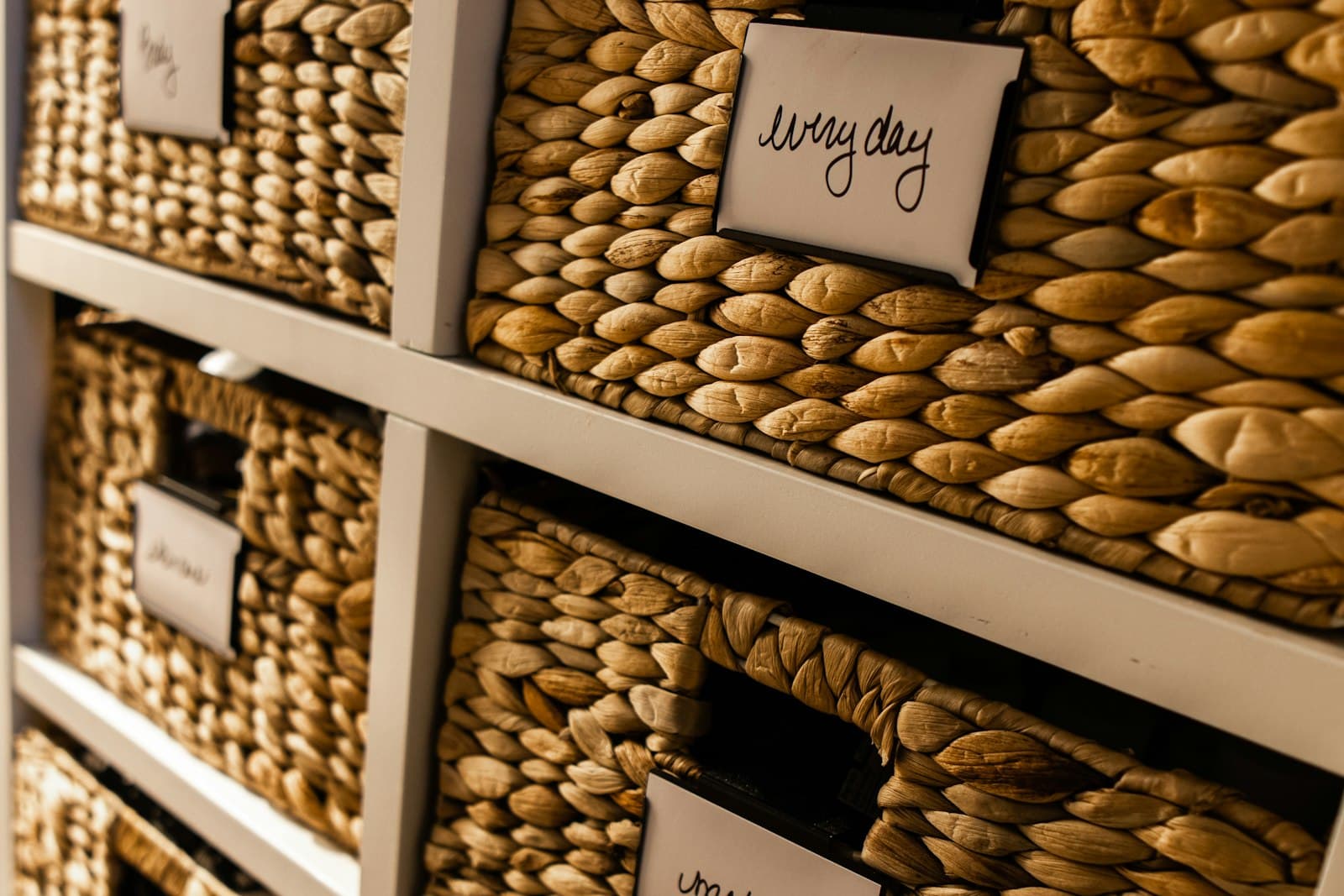
An organizing system that only makes sense to the person who set it up tends to fall apart the moment someone else in the household puts something away. Clear, simple labels on shelves, containers and drawers turn a personal system into one anyone in the apartment can follow without guessing.
This matters most for shared spaces like the fridge and pantry, where several people are putting things away and taking them out on different schedules. A label doesn't need to be elaborate — a simple sticker or a printed tag naming the zone is usually enough to keep everyone on the same page.
See fridge organization ideas that actually work for how the same labeling principle applies specifically inside the fridge.

- 01Label Shelves, Not Just ContainersA labeled shelf tells everyone where something goes even before they open a container.
- 02Keep Labels SimpleA short word or two naming the zone works better than a detailed description no one reads.
- 03Prioritize Shared Spaces FirstThe fridge and pantry benefit most from labels since several people use them on different schedules.
- 04Update Labels When the System ChangesAn outdated label is worse than no label — it actively points to the wrong spot.
03 · Keep Counters Clear With a Daily Reset
Small Messes Compound Fast.
A small kitchen has less counter space to begin with, which means a few dishes left out or one delivery box not yet broken down can make the whole room feel cluttered far faster than in a larger kitchen.
A short daily reset — clearing the counter, loading the dishwasher or washing what's left, wiping down the main surfaces — takes a few minutes and prevents small messes from compounding into a weekend cleaning project.
This is the same 15-minute reset habit covered in the small apartment cleaning checklist, applied specifically to the kitchen since it tends to accumulate clutter faster than any other room.
- 01Clear the Counter Every EveningA few minutes at the end of the day stops dishes and clutter from building up overnight.
- 02Break Down Boxes ImmediatelyDelivery or grocery boxes take up disproportionate space if left even for a day.
- 03Wipe Down Surfaces as Part of the ResetA quick wipe keeps the kitchen feeling genuinely clean, not just tidy.
- 04Keep the Reset Short on PurposeA reset that takes too long gets skipped — five to ten minutes is usually enough.
RoomMinded Tip
A small kitchen doesn't need a deep clean every day. It needs a short reset every day.
04 · Revisit the System as Habits Change
What Worked at Move-In May Not Work Now.
A kitchen organized around how you cooked when you moved in doesn't always keep pace with how your cooking habits actually change over time — a new hobby, a change in schedule, or simply buying different groceries can leave the original zoning out of step with daily use.
It's worth revisiting the system every few months rather than assuming the original setup still fits. A small adjustment — moving one drawer's contents, relabeling a shelf — is a much smaller task than reorganizing the whole kitchen once it's clearly stopped working.
Pair this with the broader storage ideas in small kitchen storage ideas whenever the revisit reveals a genuine storage gap rather than just a zoning one.
Take This With You
- 01Revisit the System Every Few MonthsHabits change faster than most kitchen organizing systems do — a periodic check keeps them in sync.
- 02Make Small Adjustments, Not Full OverhaulsA drawer moved or a shelf relabeled is a much smaller task than reorganizing everything at once.
- 03Notice What You Keep Working AroundA recurring workaround usually points to exactly what needs to change.
- 04Involve Everyone Who Uses the KitchenA system that only works for one person tends to break down for everyone else.
Next·Explore More Kitchen Storage Ideas
RoomMinded Picks
Pieces That Make
This Easier.
A few products that make a small kitchen's organization system easier to put into practice.

Storage · Stackable Baskets
Strata 21L Urban Storage Basket with Lid, Cool Grey
A stackable, labelable basket that suits zoning a cabinet by task — one basket per zone instead of everything loose together.
£6.99
View ProductStorage · Floating Shelves
Set of 4 Latitude Floating Shelves
Open shelving that keeps a zone's everyday items visible and labeled, right above the counter you actually use them at.
£12.99
View Product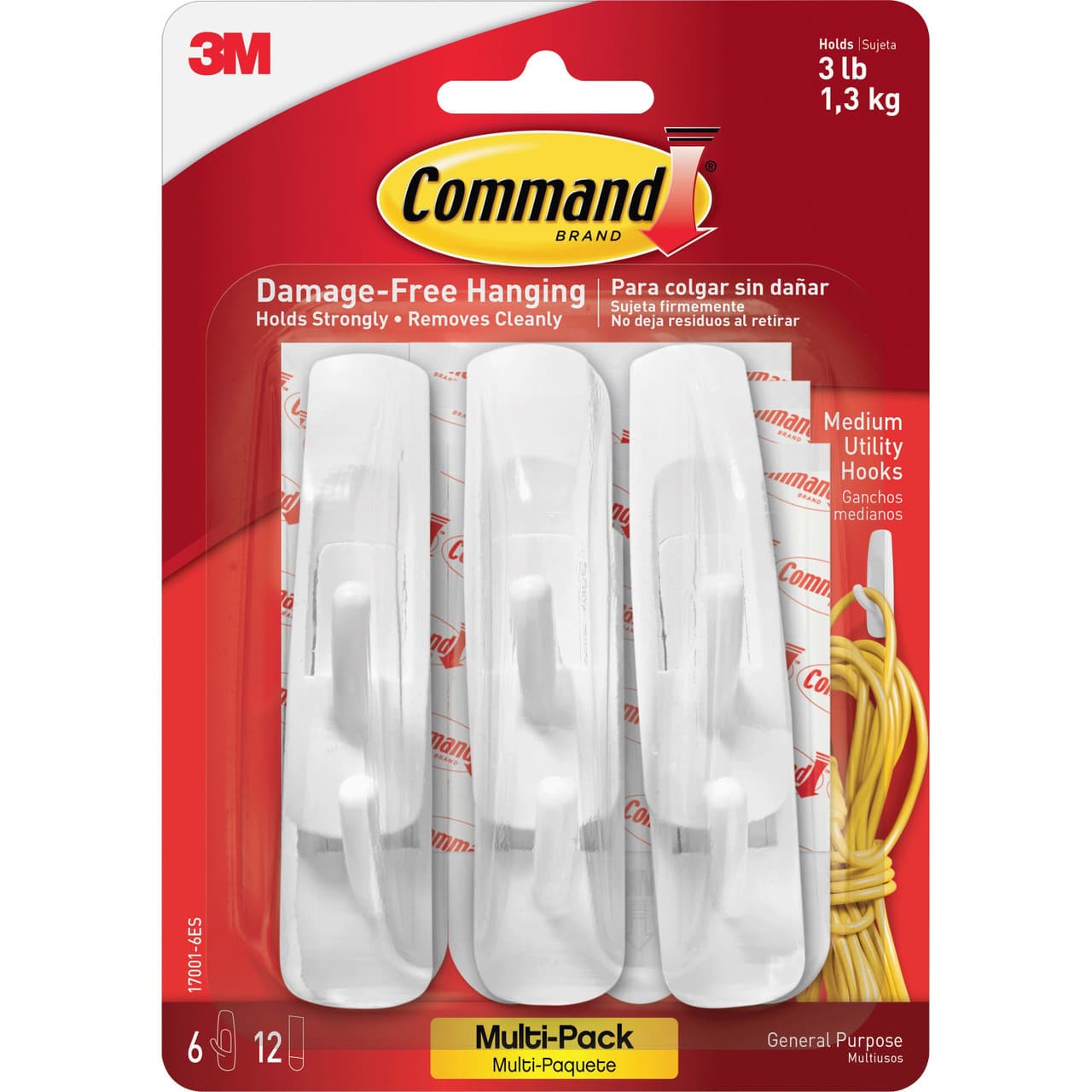
Renter-Friendly · Adhesive Hooks
3M Command Medium Utility Hooks (White)
Damage-free hooks for hanging utensils or a towel right at the zone where they're actually used, near the stove or sink.
£17.08
View Product
Small Space · Storage
Slim Storage Cabinet
A narrow cabinet suited to a zone that doesn't have its own dedicated cupboard — cleaning supplies, spare stock or anything without a home.
£49.99
View ProductThese are curated recommendations. If you purchase through one of our links, RoomMinded may earn a commission at no extra cost to you.
Keep Exploring
More Ideas for
Better Spaces.
A few more practical RoomMinded guides worth reading next.
Storage & Organization
Small Kitchen Storage Ideas That Actually Work
Practical small kitchen storage ideas — using cabinet height, decanting into matching containers, and putting walls and awkward gaps to work.
Read GuideStorage & Organization
Fridge Organization Ideas That Actually Work
Practical fridge organization ideas — zoning the door for condiments, grouping food into clear bins by category, and a first-in-first-out system for what's about to expire.
Read Guide
Storage & Organization
Small Pantry Organization Ideas
Practical small pantry organization ideas — decanting for shelf visibility, using the back of the door, and zoning shelves by how often you reach for something.
Read GuideGood to Know
Questions You
Might Have.
A few practical answers to common questions.
Storage solves where things physically fit — cabinets, baskets, shelves. Organization solves where things should actually go, zoned around how you cook, so the storage you already have works with your habits instead of against them.
Keep the system simple and label the key zones and shelves. A system that only makes sense to one person tends to break down the moment someone else puts something away.
Five to ten minutes is usually enough — clearing the counter, dealing with dishes and a quick wipe-down. A reset that takes too long tends to get skipped.
Every few months is a reasonable check-in. Cooking habits change faster than most organizing systems do, so a periodic small adjustment keeps things in sync.
Start by noticing where you actually stand and reach when cooking, then zone storage around that — rather than starting with a full category-based reorganization.
Keep Making Your Space Work Better
Ready to Make
Your Space Work Better?
Explore more practical room ideas, smart solutions and thoughtfully chosen products for real homes and everyday living.