
Fridge Organization Ideas That Actually Work
Practical fridge organization ideas — zoning the door for condiments, grouping food into clear bins by category, a first-in-first-out system for what's about to expire, and labeling for a shared fridge.
In This Guide
A Fridge Rarely Needs to Be Bigger — Just Easier to Scan.
Most fridges don't actually run out of room — they run out of a system for finding what's already in them. Condiments pile up unsorted on the door, the middle shelf becomes a catch-all, and whatever's closest to expiring quietly ends up at the back where nobody looks.
This guide walks through four practical, fridge-specific changes: zoning the door so condiments stop needing a full search, grouping the main shelves into bins by category, building a simple first-in-first-out habit so less food goes to waste, and labeling for a fridge more than one person actually uses.
None of it requires a new fridge or a full clear-out. Every change here works with a bin, a habit, and five minutes with a pen.
01 · Zone the Door for Condiments
The Door Isn't One Long Shelf.
Fridge door shelves get treated as one continuous row, which is exactly why finding a specific jar of mustard means picking up and putting back six other bottles first. Nothing on a door shelf is grouped — it's just whatever got put back closest to where a hand last reached.
A small bin that corrals a whole category of condiments together turns that shelf into something closer to a lazy susan: lift the bin out, see everything in it at once, put it back as one unit instead of one bottle at a time. It doesn't need to spin to solve the actual problem, which is that everything on a door shelf currently has to be searched one item at a time.
This is the same logic behind small kitchen storage ideas's point about cabinet height — grouping instead of piling makes a fixed amount of space behave like more space. A fridge door is just a narrower, colder version of the same shelf.

- 01Group by How Often You Reach for ItEveryday condiments in one bin, occasional-use sauces in another — not grouped by brand or size.
- 02Lift the Whole Bin, Not One BottleA bin you can pull forward as a unit beats searching row by row for one specific jar.
- 03Keep the Bin Short Enough to See IntoA bin taller than the door shelf's depth just hides what's at the back of it instead of solving anything.
- 04Confirm It's Rated for Fridge UseNot every plastic bin is meant for constant cold and condensation — check before repurposing one from elsewhere in the kitchen.
RoomMinded Tip
A fridge door doesn't need to spin to work like a lazy susan — it just needs everything in a category to move as one group.
02 · Group by Category in Clear Bins
Produce, Dairy and Leftovers Shouldn't Mix.
The main shelves suffer from the same problem as the door, just at a larger scale: a bag of spinach next to last night's leftovers next to a half-used block of cheese, all touching, none of it grouped by what it actually is or how soon it needs to be used.
Splitting one shelf into two or three bins — one for produce, one for dairy, one for leftovers — means a glance tells you what's in the fridge without opening every container. It also keeps a leaking container contained to its own bin instead of dripping onto the shelf below.
This doesn't require replacing every shelf at once. Starting with the shelf that currently causes the most digging — usually the middle one, where everything ends up — is enough to see whether the system is worth extending to the rest of the fridge.
Solves This
Strata 21L Urban Storage Basket with Lid, Cool Grey
A stackable, lidded bin sized to corral a shelf's worth of condiments or a category of fridge items into one liftable group instead of a loose row.
£6.99 · Shop This Pick
- 01Start With the Middle ShelfIt's usually the one everything gets dumped onto — splitting it into bins shows the benefit fastest.
- 02One Bin, One CategoryMixing produce and leftovers in the same bin recreates the exact problem the bin was meant to solve.
- 03Let a Leaky Container Stay ContainedA bin catches drips before they reach the shelf below — a loose container on an open shelf doesn't.
- 04Leave Room to Actually See InA bin packed edge to edge just becomes a smaller version of the same digging problem.
03 · Put the Newest Stock Behind, Not in Front
What's About to Expire Should Be What You See First.
A fridge that gets restocked from the front — new milk pushed in ahead of the half-used carton, a fresh block of cheese set in front of the older one — quietly builds a graveyard of expired food at the back that nobody sees until it's well past using.
A first-in-first-out system fixes this with one small habit change: whatever's closest to expiring goes in the front row, and new stock gets pushed to the back behind it. It costs nothing and takes a few extra seconds each time you restock, in exchange for actually using what you buy before it goes off.
This works best with a dedicated spot for backup stock that hasn't gone in yet — a basket in the cabinet beside the fridge, or on top of it, holding unopened bottles and cans until the front-row item is used up. See small pantry organization ideas for how the same rotation habit applies to shelf-stable food waiting its turn.

- 01Front Row Is for What Expires SoonestWhatever's closest to its date should be the first thing you see when you open the door.
- 02New Stock Goes Behind, Not in FrontPushing new items to the back is the one habit that actually makes this system work.
- 03Keep Backup Stock Nearby, Not InsideA basket beside or above the fridge holds what hasn't gone in yet without crowding the shelves.
- 04Do a 30-Second Check Before You ShopA quick look at the front row before a grocery run avoids buying a duplicate of something already about to go off.
RoomMinded Tip
A fridge doesn't waste food because it's too full — it wastes food because the oldest thing in it is never the first thing you see.
04 · Label for a Shared Fridge
"Whose Leftovers Are These?" Has a Fix.
A fridge shared with roommates or family runs into a problem a single-person fridge never does: nobody's sure whose container is whose, whether something's free to eat, or how long it's actually been sitting there — and asking every time gets old fast.
A name and a date on a piece of tape solves most of this in about five seconds, but only if writing it is genuinely easy — which means the pen and labels need to live within arm's reach of the fridge, not in a drawer three steps away that never quite gets visited.
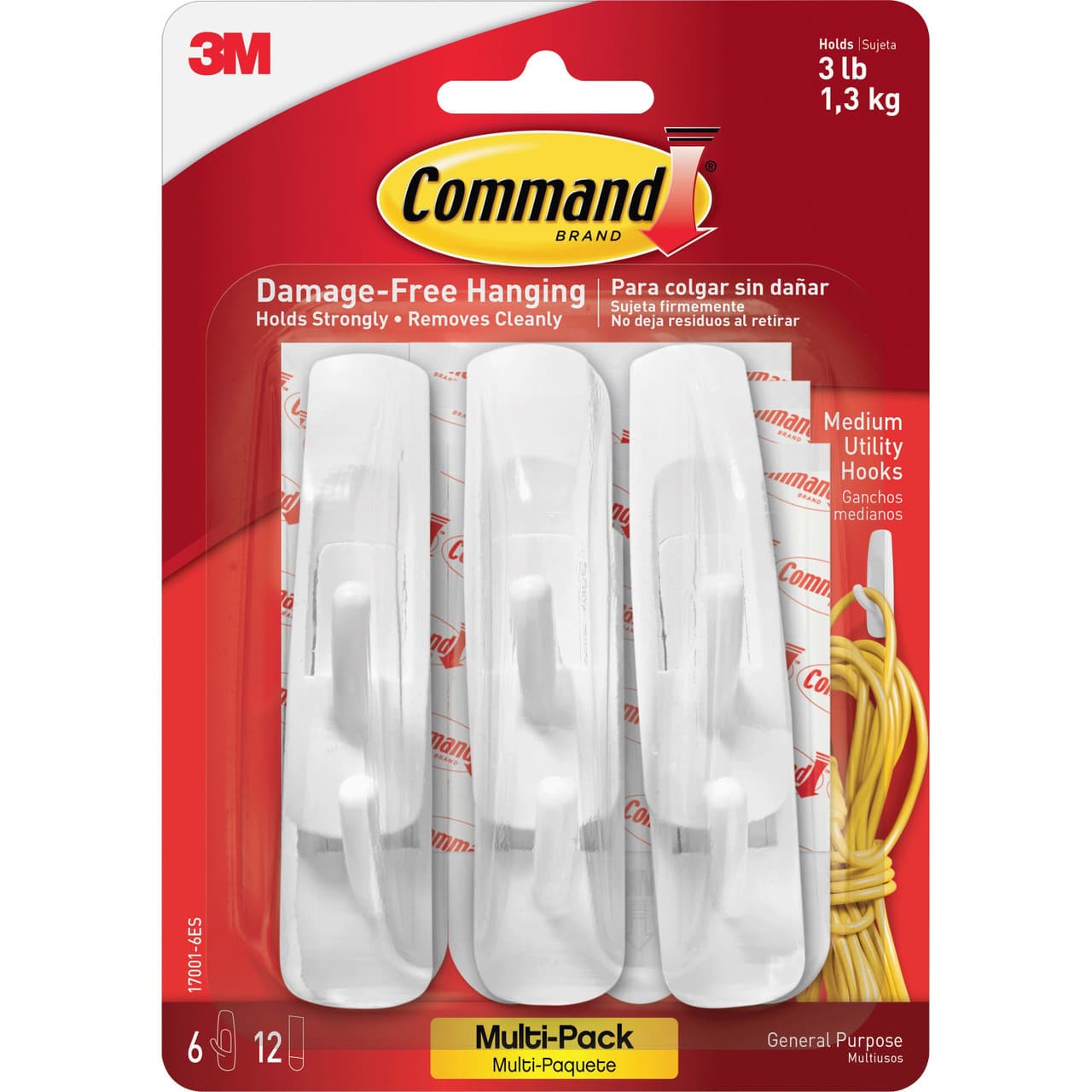
An adhesive hook mounted on the side of the fridge or the cabinet beside it, holding a small notepad and pen, keeps labeling a five-second habit instead of a chore that quietly stops happening after the first week. The same zoning from earlier in this guide also helps here — a bin marked "shared" versus one marked with a name cuts down on the guessing before you even reach for the pen.
Take This With You
- 01Keep the Pen Within Arm's ReachLabeling only becomes a habit if it doesn't require a trip to another room first.
- 02Write a Name and a Date, Not Just a NameKnowing whose it is doesn't tell you whether it's still good — the date does.
- 03Mark Shared Zones SeparatelyA bin labeled for shared items cuts down on the guessing before anyone reaches for a pen.
- 04Mount the Hook Somewhere VisibleA notepad tucked out of sight gets skipped the same way an inconvenient one does.
Next·Bring the Same System to the Pantry
RoomMinded Picks
Pieces That Make
This Easier.
A few general storage products from this guide, reframed for the fridge and the cabinet space right beside it.
Storage · Stackable Baskets
Strata 21L Urban Storage Basket with Lid, Cool Grey
A stackable, lidded bin sized to corral a shelf's worth of condiments or a category of fridge items into one liftable group instead of a loose row.
£6.99
View ProductStorage · Woven Baskets
VonHaus Seagrass Storage Baskets, Set of 4
A woven basket for the cabinet or shelf beside the fridge — holds unopened backup stock until it's time to rotate it in.
£22.99
View Product
Storage · Floating Shelves
Set of 4 Latitude Floating Shelves
Wall-mounted shelving above or beside the fridge for backup stock and overflow, without needing a bigger fridge.
£12.99
View ProductRenter-Friendly · Adhesive Hooks
3M Command Medium Utility Hooks (White)
A damage-free hook for beside the fridge — hold a notepad and pen so labeling shared items stays a five-second habit.
£17.08
View ProductThese are curated recommendations. If you purchase through one of our links, RoomMinded may earn a commission at no extra cost to you.
Keep Exploring
More Ideas for
Better Spaces.
A few more practical RoomMinded guides worth reading next.
Storage & Organization
Small Kitchen Storage Ideas That Actually Work
Practical small kitchen storage ideas — using cabinet height, decanting into matching containers, and putting walls and awkward gaps to work.
Read Guide
Storage & Organization
Small Pantry Organization Ideas
Practical small pantry organization ideas — decanting for shelf visibility, using the back of the door, and zoning shelves by how often you reach for something.
Read Guide
Storage & Organization
Small Laundry & Utility Closet Organization Ideas
Practical small laundry and utility closet organization ideas — stacked shelving over the machines, a no-drill drying setup, and sorting bins for a closet with no floor space to spare.
Read GuideGood to Know
Questions You
Might Have.
A few practical answers to common questions.
Zoning the door — a bin that corrals a group of condiments into one liftable unit is quick to set up and the difference is immediate.
Not necessarily — a stackable, lidded bin already used elsewhere in the kitchen works, as long as it's rated for the cold and any condensation.
By keeping whatever's closest to expiring at the front of the shelf, so it's the first thing you see and use, instead of buried behind newer stock.
Label items with a name and a date, and keep the pen and labels within arm's reach of the fridge so it stays a quick habit instead of a chore.
Keep unopened backup stock in a nearby cabinet or basket rather than the fridge itself — it frees up shelf space and makes the rotation habit easier to see.
Keep Making Your Space Work Better
Ready to Make
Your Space Work Better?
Explore more practical room ideas, smart solutions and thoughtfully chosen products for real homes and everyday living.